
Reviewed · TEA CEREMONY EXPERIENCES
Tokyo: Casual Japanese Tea Ceremony Experience
Slow down with a bowl of matcha. This casual Tokyo tea ceremony makes Japanese tea culture easy to enjoy, with a friendly host, hands-on whisking, and room for questions. I especially like the small maximum group of eight people and the relaxed lounge setting, where you can take photos without worrying about strict rules. The main tradeoff is that kimono wear and rental are not included, so this is a cultural lesson rather than a full costume experience.
At $25 per person, this is a sensible way to try one of Japan’s best-known traditions without giving up half a day. The one-hour format fits neatly into an Asakusa sightseeing plan, though anyone seeking a formal ceremony in a historic tearoom may find this version intentionally informal.
In This Review
- Key Points to Know Before You Go
- A Gentle First Step Into Japanese Tea Culture
- What Happens During the One-Hour Session
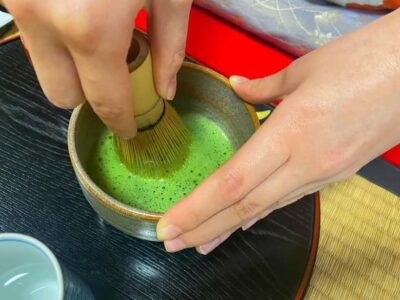
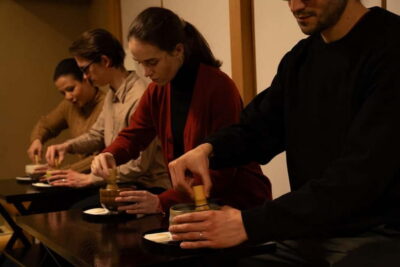
- Whisking Matcha Yourself
- Why the Casual Setting Works
- Understanding the Meaning Behind the Ritual
- Fitting the Experience Into an Asakusa Day
- Is $25 a Fair Price?
- Who Will Enjoy This Most?
- Practical Details Before Booking
- Should You Book This Tea Ceremony?
- FAQ
- How long does the Tokyo casual tea ceremony last?
- Where does the tea ceremony begin?
- Where does the activity end?
- How many people can join the experience?
- Is kimono rental included?
- What is included in the experience?
- Can I cancel for a full refund?
Key Points to Know Before You Go
- You make your own matcha: Learn how to whisk powdered green tea instead of only watching a host prepare it.
- Small group size: The experience accepts a maximum of eight people, allowing time for questions and personal guidance.
- Asakusa meeting point: Begin and end at Tokyo Tourist Lounge Asakusa, on the fifth floor at 2-18-15 Kaminarimon.
- Relaxed etiquette: The host explains the meaning of each step without expecting beginners to know traditional rules.
- Tea and sweets included: You taste freshly prepared matcha along with traditional Japanese sweets.
- No kimono provided: Kimono wear and rental cost extra or must be arranged separately.
A Gentle First Step Into Japanese Tea Culture
A formal Japanese tea ceremony can appear difficult to approach. There may be precise movements, quiet pauses, special tools, and rules about how to sit, turn a bowl, or receive tea. That beauty is part of the tradition, but it can also make first-time visitors worry about making a mistake.
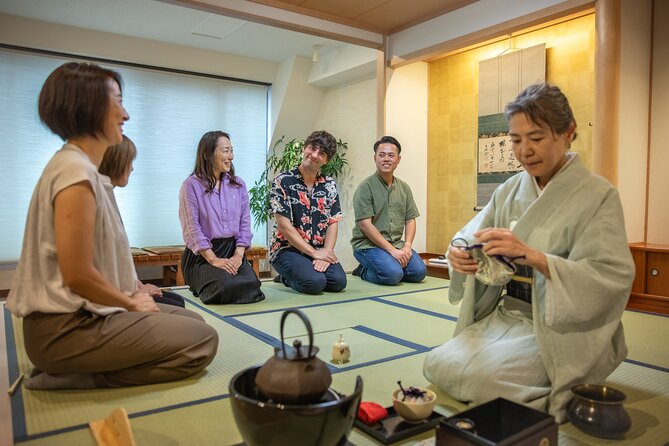
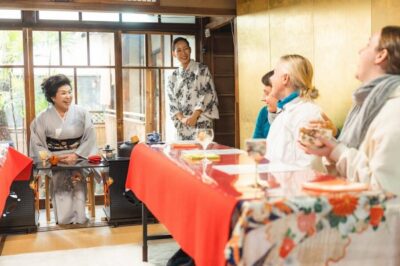
This experience takes a softer approach. You sit comfortably in a lounge setting while a friendly host explains what is happening and why each step matters. The goal is not to test your manners. It is to help you understand the spirit of the way of tea through participation.
I like that the session treats curiosity as part of the experience. You can ask questions, take photos, and learn at a pace that feels natural. That matters in a short cultural activity because you leave with more than a taste of matcha. You also gain a better sense of the ideas behind the ritual, including harmony, care, and hospitality.
The session is led in a way designed for people who may not speak Japanese. The clear explanations help remove the anxiety of a language barrier, while the casual format takes pressure off anyone concerned about cultural mistakes.
More Tea Ceremonies in Tokyo
- Tokyo: Traditional Tea Ceremony with a Tea Master
★ 5.0 · 528 reviews - Tea Ceremony Workshop in Tokyo by the Experienced Instrucor
★ 5.0 · 189 reviews - Asakusa: Kimono Tea Ceremony with Matcha and Sweet
★ 4.9 · 153 reviews
What Happens During the One-Hour Session
The activity begins at Tokyo Tourist Lounge Asakusa, located on the fifth floor at 2-18-15 Kaminarimon, Taito City. Since the activity ends at the same place, you do not need to arrange a separate return point or find your way across Tokyo after the ceremony.
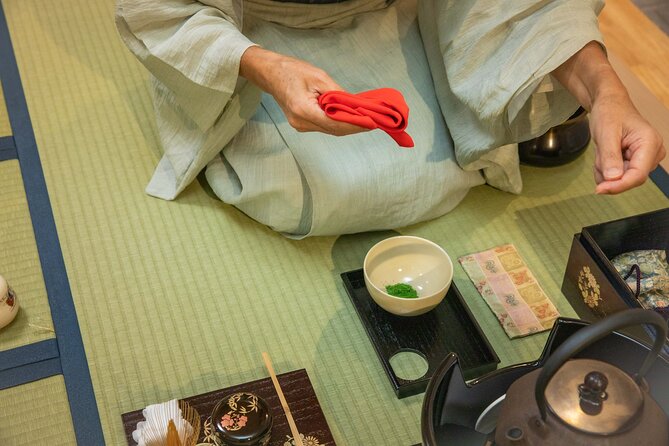
Once the session begins, the host introduces Japanese tea culture and explains the role of matcha. Powdered green tea is whisked with water rather than steeped like ordinary loose-leaf tea. That difference gives you a practical connection to the process from the beginning.
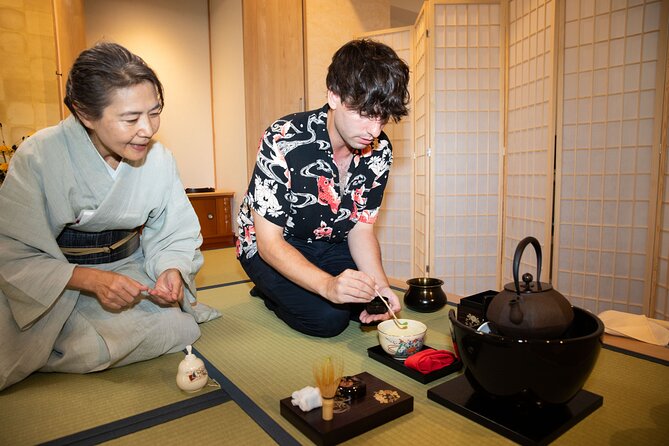
The host then walks you through the steps involved in preparing and presenting the tea. The experience is not simply a demonstration where you sit quietly and watch. You get the chance to prepare your own bowl, which makes the lesson more memorable and helps you understand the tools and motions involved.
You can expect explanations about pouring the water, whisking the tea, and presenting the finished bowl. The supplied details do not specify the exact order or length of each part, so the timing may depend on the size of the group and the questions people ask.
That flexibility is useful. A strict schedule can make a cultural activity feel rushed, while this format gives you space to ask why a particular gesture matters. If you are curious about Japanese customs, the question period may be as useful as the tea itself.
Whisking Matcha Yourself
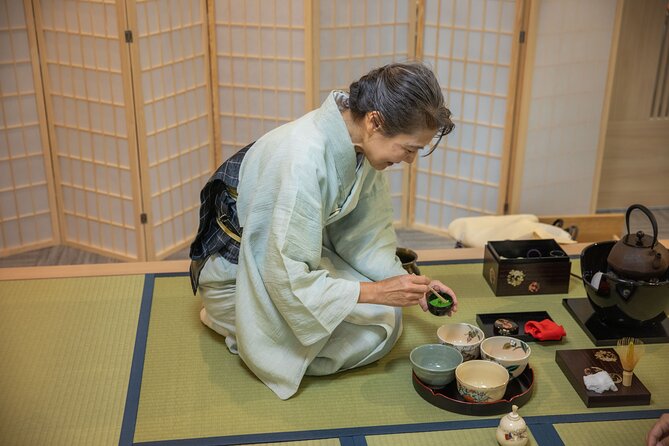
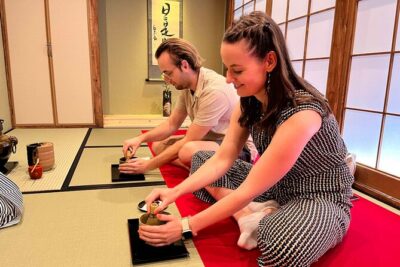
The hands-on matcha preparation is the heart of the session. You learn to whisk powdered green tea into a fresh bowl rather than receiving a finished cup from the host. This simple act gives the experience a practical edge.
You will likely notice that matcha preparation is not just about making a drink. The motions, presentation, and attention given to the bowl all connect with the larger idea of hospitality. The host explains the meaning behind each part, so you are not left guessing why the tea is handled in a particular way.
For beginners, this is where the casual format earns its keep. You do not need previous experience with matcha, and the setting is designed to let you learn without worrying about perfect technique. You can try, adjust, and ask for help.
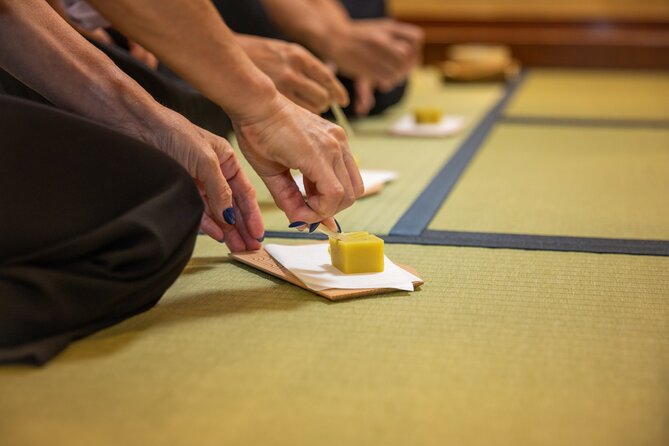
The tea is served freshly prepared, and you savor it at your own pace. Matcha has a strong, earthy flavor that may be unfamiliar if you usually drink coffee or lighter teas. Traditional Japanese sweets accompany the tea, providing a pleasing contrast to matcha’s bitterness.
The listing includes coffee and/or tea, while the activity description specifically mentions matcha and traditional sweets. If you have dietary concerns, the supplied information does not explain the ingredients or offer substitutions, so ask the provider before booking.
Why the Casual Setting Works
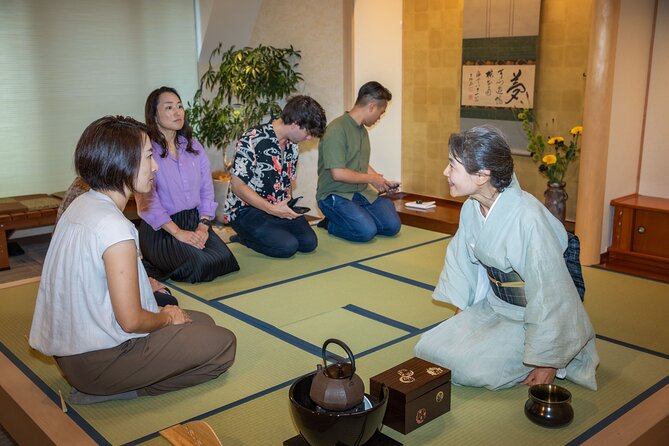
The lounge setting changes the mood. Instead of entering a highly formal room and trying to copy every movement, you can focus on understanding the experience. That makes this a good choice for anyone who wants a cultural introduction rather than a demanding ceremony.
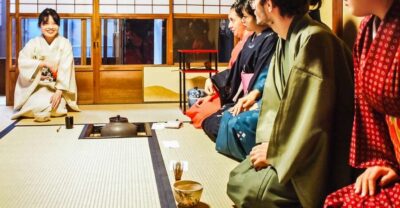
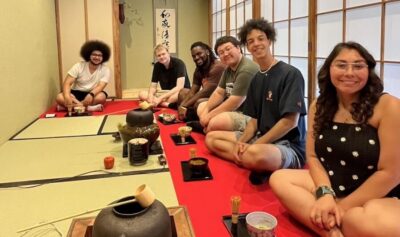
The maximum group size is eight. That is small enough to keep the session personal, at least compared with a large class, and it should give you a better chance to hear the host and ask questions. Group size can still affect how much individual attention you receive, so the exact balance will depend on how many people attend.
Photos are allowed, which is another practical benefit. In a formal ceremony, you might hesitate to reach for your phone or camera. Here, the host welcomes questions and photos, making it easier to record the preparation and your own bowl of matcha. Still, it is wise to follow the host’s guidance if a quiet moment or particular demonstration calls for attention.
The atmosphere also received strong praise for kindness and clear teaching. One highly rated account specifically praised the detailed explanation of the ceremony’s history and processes. Another singled out Midori for sharing her knowledge with warmth and patience. If Midori leads your session, you can expect a host whose teaching style has made a particularly good impression.
A completely different kind of day out in Tokyo:
- Mt Fuji and Hakone 1-Day Bus Tour Return by Bullet Train
★ 5.0 · 26,383 reviews - 1-Day Tokyo Bus Tour
★ 5.0 · 14,250 reviews - Tokyo: TOKYO SKYTREE® Admission ticket
★ 4.5 · 11,192 reviews - Tokyo: teamLab Planets TOKYO Digital Art Museum Entry Ticket
★ 4.6 · 9,779 reviews
Understanding the Meaning Behind the Ritual
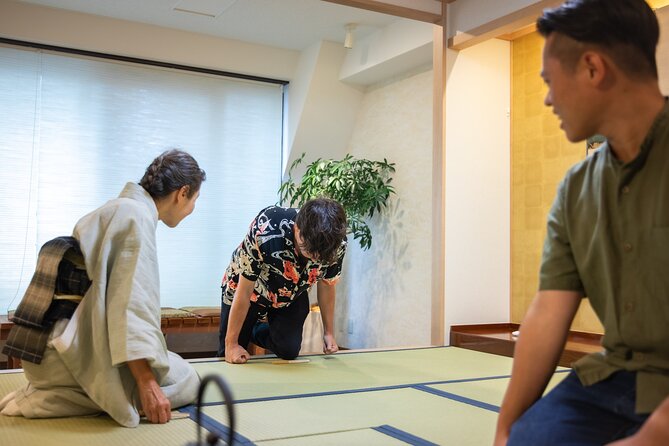
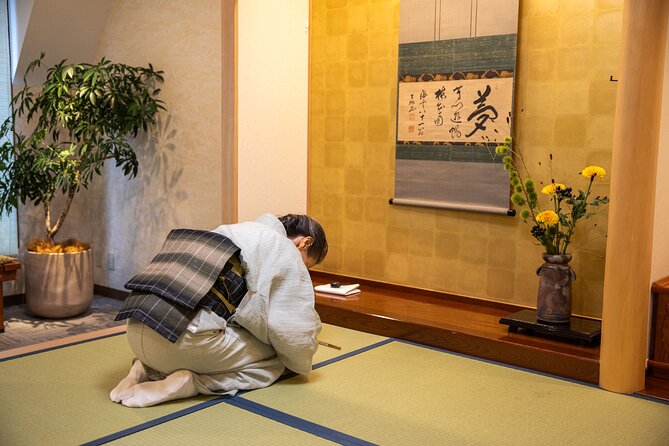
The value of this activity is not limited to drinking green tea. The host explains the ideas connected with each action, from pouring water to offering the bowl. Those explanations help you see why the ceremony has lasted as a cultural practice rather than treating it as a photo opportunity.
The tea ceremony is often linked with harmony and hospitality. In practical terms, that means giving careful attention to the person you are serving, the objects in use, and the shared moment. Even in a casual setting, those ideas give shape to the activity.
I appreciate this kind of explanation because it prevents the experience from becoming a simple craft lesson. You are not only learning to whisk matcha. You are also learning why presentation, patience, and courtesy matter in the ceremony.
The relaxed tone makes it easier to connect the practice with modern travel. You do not need to memorize every rule or reproduce a formal ritual perfectly. You can leave with a useful understanding of the tradition and perhaps notice tea utensils, sweets, or hospitality customs differently during the rest of your time in Japan.
Fitting the Experience Into an Asakusa Day
The meeting point is in Asakusa, near public transportation, and the activity takes about one hour. That makes it easy to pair with other plans in the area, although the provided details do not state which station exit is closest or how long it takes to walk from a particular station.
You can plan it as a pause between sightseeing stops. Asakusa is known for major cultural sights, and a quiet tea session offers a change of pace after time spent walking. Since you return to the same meeting point, the activity does not create a complicated transport problem.
The one-hour length is a major advantage for a packed Tokyo schedule. You get a focused cultural experience without giving up an entire morning or afternoon. It also works well if you are visiting Tokyo for only a short stay and want to try something distinctly Japanese.
The short duration has a limit, too. You will receive an introduction, not an exhaustive study of tea ceremony schools, utensils, regional customs, or the full history of matcha. If you want a long, highly formal ceremony with traditional clothing and a historic setting, you should seek a different type of experience.
Is $25 a Fair Price?
At $25, the experience offers good value for a one-hour cultural activity. The price covers guided instruction, tea, and the chance to prepare your own matcha. It also saves you from having to work out etiquette on your own or worry about misunderstanding what to do.
The strongest value comes from the hands-on part. A demonstration alone would be less engaging, but making your own bowl gives you a direct connection with the tradition. The small group limit adds value because the host can explain the process and answer questions in a more personal setting.
You should keep the limits of the price in mind. Kimono wear and rental are not included. If dressing in traditional clothing is important to you, you will need to arrange that separately, and the total cost of your cultural outing will be higher.
There is also no sightseeing transport or wider tour of Asakusa. This is a focused tea experience, not a general city tour. I would book it for the teaching and participation, not as a way to see several Tokyo attractions.
Who Will Enjoy This Most?
This experience suits first-time visitors to Japan who want a clear, friendly introduction to an important tradition. It is also a good fit for repeat visitors who have seen Tokyo’s major sights and want a slower activity with a cultural focus.
Families, couples, solo visitors, and small groups can all find something useful here, provided they enjoy learning in a shared setting. The casual atmosphere should appeal to people who are interested in Japanese customs but feel uneasy about strict etiquette.
It is especially helpful if you want to ask questions. The host encourages conversation, so you can clarify points that might otherwise remain confusing. That makes the experience more useful than simply watching a ceremony in silence.
You may want to choose another activity if your main goal is to wear a kimono, take formal portraits, or attend a ceremony in a traditional setting. Those features are not part of this package. You should also be comfortable with the taste of matcha and with sitting through a guided cultural lesson, even though the tone is relaxed.
Practical Details Before Booking
You receive confirmation when you book, and the experience accepts mobile tickets. The meeting point is Tokyo Tourist Lounge Asakusa, 5F, 2-18-15 Kaminarimon, Taito City, Tokyo 111-0034. The activity ends back at this location.
The group has a maximum of eight people. The duration is about one hour, and the meeting point is near public transportation. Since the listing does not provide a detailed dress code, arrival instruction, or station exit, check your confirmation carefully before setting out.
The cancellation policy is generous if your plans change early. You can cancel at least 24 hours before the local start time for a full refund. Cancellations or changes made within 24 hours are not refunded or accepted.
Should You Book This Tea Ceremony?
I would book this experience if you want an affordable, approachable way to learn about matcha and Japanese hospitality. The small group, hands-on preparation, friendly teaching, and permission to ask questions make it far less intimidating than a formal ceremony.
The strong 4.9 rating from 74 reviews and 96 percent recommendation rate fit the experience’s main strengths: clear explanations, a warm welcome, and a calm setting. Midori’s kind teaching style also receives special praise, though the guide for your scheduled session may differ.
Skip it if you want kimono rental, a formal ritual, or a long lesson in tea history. For everyone else, this is a well-priced one-hour break in Asakusa that gives you something to do, taste, and understand.
FAQ
How long does the Tokyo casual tea ceremony last?
The experience lasts approximately one hour.
Where does the tea ceremony begin?
It begins at Tokyo Tourist Lounge Asakusa, on the fifth floor at 2-18-15 Kaminarimon, Taito City, Tokyo 111-0034, Japan.
Where does the activity end?
The activity ends back at the meeting point, Tokyo Tourist Lounge Asakusa.
How many people can join the experience?
The group has a maximum of eight travelers.
Is kimono rental included?
No. Wearing a kimono and kimono rental are not included.
What is included in the experience?
Coffee and/or tea are included. The activity also includes freshly prepared matcha, traditional Japanese sweets, instruction on whisking matcha, and explanations of the tea ceremony steps.
Can I cancel for a full refund?
Yes. You can cancel at least 24 hours before the local start time for a full refund. Cancellations and changes made within 24 hours are not refunded or accepted.
Just added around Tokyo
- Tokyo 6hr Instagram Highlights Private Tour with Licensed Guide★ 5.0 · 38 reviews
- Tokyo Small Group Tour with Guide★ 4.5 · 38 reviews
- Tokyo Sumo Experience with Live Show & Audience Challenge★ 5.0 · 38 reviews
- Japanese Food Cooking Class in Asakusa, Tokyo★ 5.0 · 39 reviews
- Very popular in Harajuku♡Animal petting zoo★ 4.6 · 39 reviews
- Ramen Making from Scratch with Tokyo Mom(Vegan Option Available)★ 5.0 · 39 reviews
- Tokyo JDM Night: 600hp C63s AMG Edition 1 (Private)★ 4.9 · 39 reviews
- Tokyo: Kimono Rental inside Shinjuku Gyoen National Garden★ 4.9 · 39 reviews
Tea Ceremony Experiences, compared.
Tea Ceremony in a Traditional Tea House in Kiyomizu
Read our review →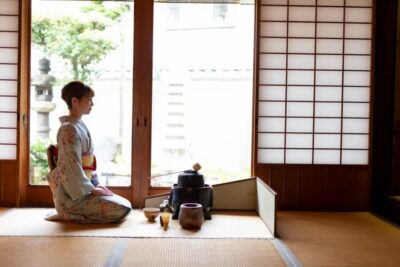
Browse the lists this tour appears in