
Reviewed · TEA CEREMONY EXPERIENCES
Tokyo: Tea Ceremony Experience in a small tea room
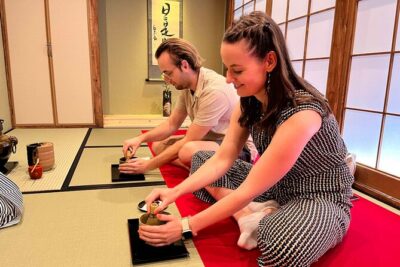
Slow down in Tokyo. This one-hour tea ceremony offers a calm break from the city, with hands-on matcha making, traditional sweets, and patient instruction from Mari, a tea teacher with more than 20 years of experience. I especially like the small group of up to six and the chance to prepare your own tea instead of simply watching.
The setting near Nishi-Nippori, Yanaka, Nezu Shrine, and the Kamogawa Delta adds real appeal. You get a quiet local setting rather than a large tourist venue, though the residential location can be tricky to find, and the tea room is reached by two narrow flights of stairs.
In This Review
- Key Points at a Glance
- Why This Short Tea Ceremony Works in Tokyo
- Finding Senraku-an Near Nishi-Nippori
- Meeting Mari, the Tea Teacher
- Preparing Matcha With Your Own Hands
- Matcha, Dried Sweets, and the Order of the Ceremony
- A Quiet Break Near Yanaka and Nezu Shrine
- What the Small Group Changes
- Optional Kimono Dressing
- Who Will Enjoy This Experience Most
- Is $51 a Fair Price?
- Booking Details Worth Knowing
- Should You Book the Nishi-Nippori Tea Ceremony?
- FAQ
- How much does the tea ceremony cost?
- How long does the tea ceremony last?
- Where does the tea ceremony take place?
- How early should I arrive?
- Is the activity taught in English?
- How many people can join the session?
- What is included in the price?
- Can I wear a kimono during the experience?
- Can I cancel the booking?
Key Points at a Glance
- Tea master Mari: Learn from an English-speaking teacher with over 20 years of experience.
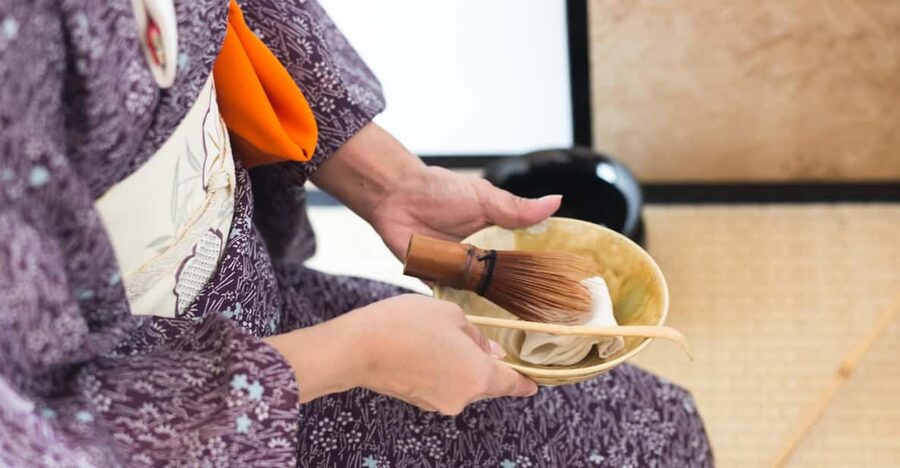
- Make your own matcha: Practice whisking and the careful movements of tea preparation under direct guidance.
- Small, peaceful setting: The group is limited to six, making it easier to ask questions and receive help.
- Near Nishi-Nippori: The meeting point is about a seven-minute walk from the station and close to Yanaka and Nezu Shrine.
- A gentle introduction: No previous tea ceremony experience is needed, and the session is designed to feel welcoming.
- Optional kimono: Kimono dressing can be requested separately, though one booking found the extra charge high.
Why This Short Tea Ceremony Works in Tokyo
Tokyo can be thrilling, but it can also leave you tired, overstimulated, and unsure which cultural activities offer real substance. This experience gives you one quiet hour to focus on a single tradition and understand the ideas behind it.
The price is $51 per person. That is not the cheapest way to drink matcha in Japan, but you are paying for more than a cup of tea. The fee includes matcha, traditional dried sweets, and a lesson with an experienced teacher. The small group size also matters. With no more than six participants, you should have a fair chance to follow the movements, ask questions, and make your own tea.
I like that the ceremony is not presented as a performance for tourists. The activity takes place in a small tea room in a residential area, and one booking described the setting as part of Mari’s home. That gives the experience a personal quality, though it also means you should not expect a grand museum-style room or a polished hotel venue.
The activity has a 4.9 rating from 53 bookings, with repeated praise for Mari’s warmth, patience, and clear English. That praise matters here because tea ceremony has many small movements that can feel confusing when explained too quickly.
More Tea Ceremonies in Tokyo
- Tokyo: Traditional Tea Ceremony with a Tea Master
★ 5.0 · 528 reviews - Tea Ceremony Workshop in Tokyo by the Experienced Instrucor
★ 5.0 · 189 reviews - Asakusa: Kimono Tea Ceremony with Matcha and Sweet
★ 4.9 · 153 reviews
Finding Senraku-an Near Nishi-Nippori
You meet at Senraku-an 10 minutes before the scheduled start. The tea room is described as a seven-minute walk from Nishi-Nippori Station, in an area near the Yanaka and Nezu Shrine district.
This is a useful location for a half-day of sightseeing. You can pair the ceremony with a walk through Yanaka or a visit to Nezu Shrine, and the nearby riverside scenery around the Kamogawa Delta offers a quieter side of Tokyo. The experience itself also points you toward lesser-known historical places and calm surroundings near the tea room.
Allow extra time to get there. The address is in a residential area, and one booking found it difficult for a taxi driver to locate. That is a good reason to rely on the meeting instructions rather than arriving at the last minute. You should also keep the exact meeting point, Senraku-an, in front of you as you approach.
The building has two narrow flights of stairs to the room. This may not trouble most people, but it can be difficult for anyone with limited mobility or for older family members. If stairs are a concern, contact the provider before booking and ask for precise details about the room.
Meeting Mari, the Tea Teacher
Mari leads the activity in English and brings more than 20 years of tea ceremony experience to the lesson. Her role is not just to demonstrate the steps. She explains the meaning behind them and answers questions as you go.
Several parts of the experience receive especially strong praise. Mari is described as kind, patient, and easy to understand. She also takes time to repeat techniques when needed. One mother and daughter were helped several times with folding the tea towel so they could practice the movement on their own.
That patience is important. Japanese tea ceremony is built around precision, but a beginner should not feel embarrassed for forgetting a step. The aim here is to make the tradition easier to approach, not to test your ability to copy every motion perfectly.
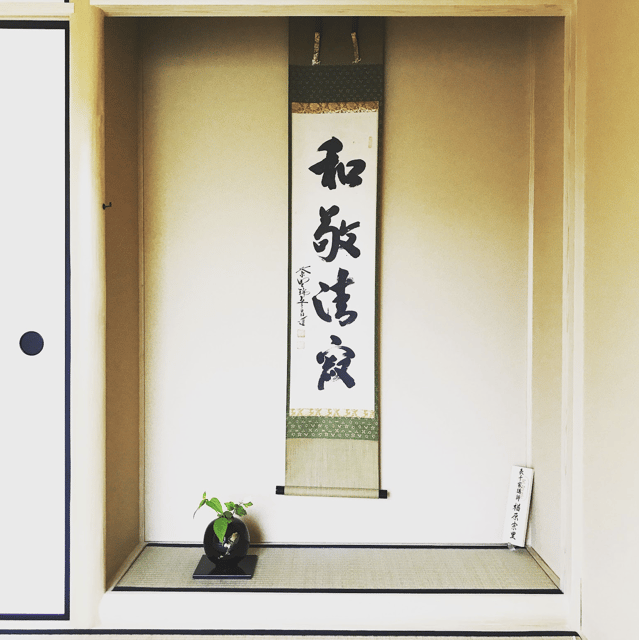
You will also hear about ideas such as purity, hospitality, and harmony. These are not just abstract cultural terms. They appear in the way the room is prepared, the way the tea is handled, and the attention given to the person receiving it. Mari’s explanations help connect the formal gestures with everyday Japanese values.
Preparing Matcha With Your Own Hands
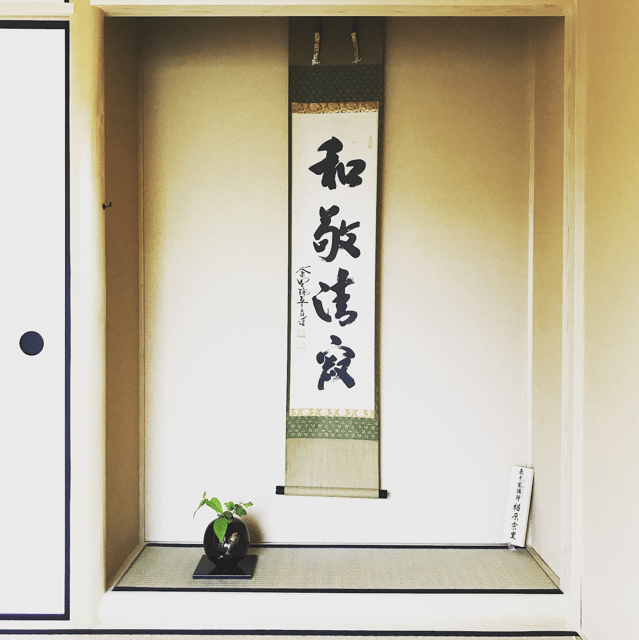
The most useful part of the activity is the chance to make your own tea. You are not required to participate if you would rather watch, but the hands-on option gives the hour more purpose.
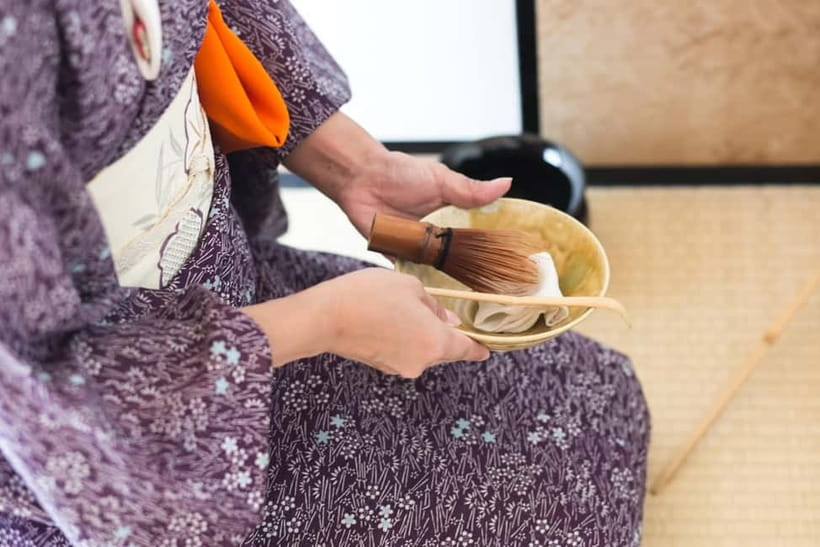
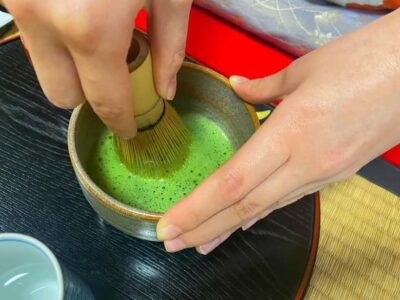
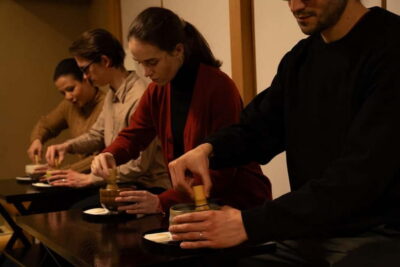
Mari guides you through the basic process of preparing matcha. You learn how powdered tea is whisked and how the movements are carried out with care. The lesson also includes the tea towel and its folding technique, which may seem like a small detail but helps you understand the ordered nature of the ceremony.
Do not expect to master every motion in one hour. Tea ceremony is built on repetition, control, and attention. The value of this session is that you begin to see why each action matters. Even a simple whisking movement becomes part of a larger pattern of calm, respect, and hospitality.
The format should suit people who want more than a photo opportunity. You can watch Mari first, try the steps yourself, and ask questions when something feels unclear. Families may find this especially useful because children can take part rather than sit quietly through a formal demonstration.
A completely different kind of day out in Tokyo:
- Mt Fuji and Hakone 1-Day Bus Tour Return by Bullet Train
★ 5.0 · 26,383 reviews - 1-Day Tokyo Bus Tour
★ 5.0 · 14,250 reviews - Tokyo: TOKYO SKYTREE® Admission ticket
★ 4.5 · 11,192 reviews - Tokyo: teamLab Planets TOKYO Digital Art Museum Entry Ticket
★ 4.6 · 9,779 reviews
Matcha, Dried Sweets, and the Order of the Ceremony
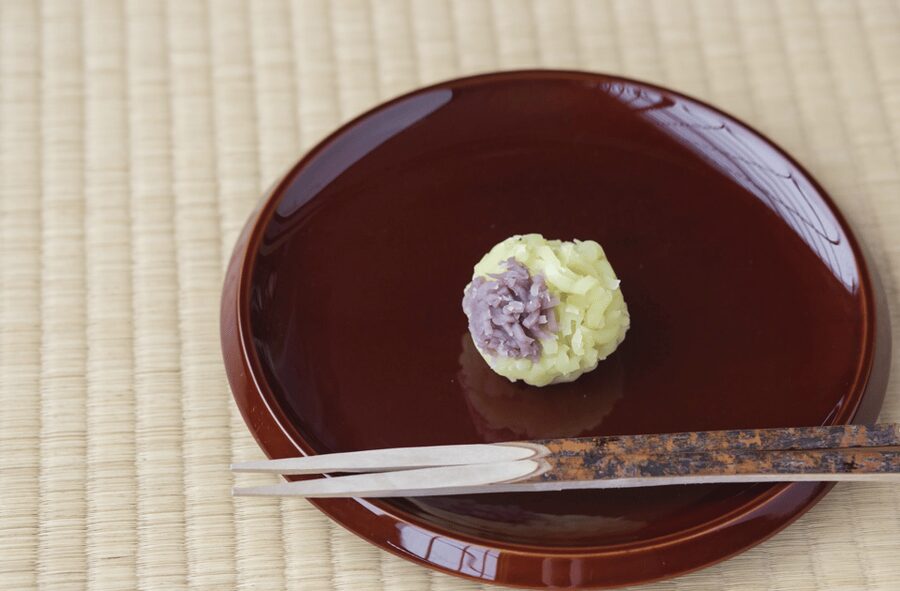
Matcha and traditional dried sweets are included in the $51 price. The sweets are not an extra purchase, and they form part of the tea experience rather than serving as a full snack.
The ceremony gives you a chance to notice the relationship between the sweet and the bitter tea. The dried sweet prepares your palate for the matcha, while the tea provides the more serious, earthy flavor. If you have never had matcha prepared in a formal setting, this pairing helps you understand why both are served together.
You should approach the ceremony with curiosity rather than expecting a large meal or a long tasting. The entire session lasts one hour, so the emphasis is on learning the customs and preparing the tea, not on lingering over multiple courses.
The compact format is a strength for many people. You can fit it into a day of sightseeing without giving up half a day. At the same time, anyone hoping for an extensive study of tea history or a long formal ceremony may find the session brief.
A Quiet Break Near Yanaka and Nezu Shrine
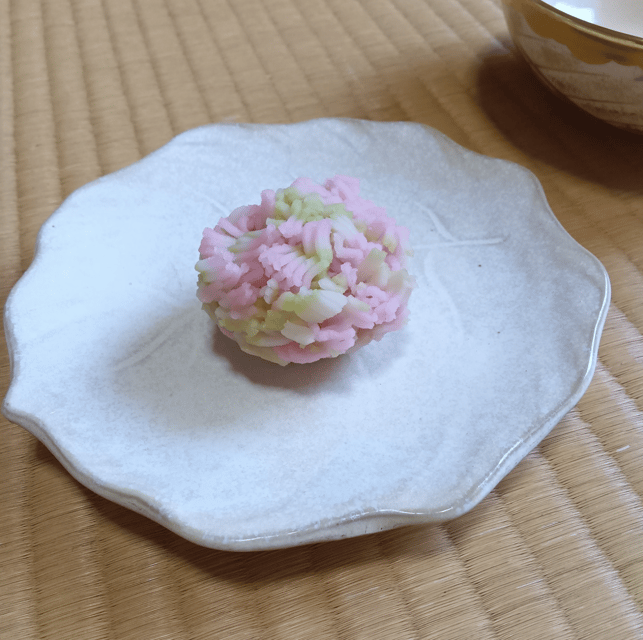
The location gives this experience more character than a generic activity room. Nishi-Nippori provides access to a calmer part of Tokyo, and the nearby Yanaka and Nezu Shrine area is known in the activity description for its historical sites and peaceful settings.
I would plan the ceremony alongside nearby sightseeing rather than treating it as an isolated appointment. The tea session can serve as a quiet pause between walks, especially if you have spent the morning in busier parts of the city.
The riverside setting near the Kamogawa Delta is another part of the appeal. You are not simply entering a classroom and leaving. The surrounding area offers a chance to notice local scenery and a slower rhythm of Tokyo.
Keep your expectations sensible. The experience does not include transportation, a guided neighborhood walk, or admission to nearby sights. You will need to arrange your own route and sightseeing plans.
What the Small Group Changes
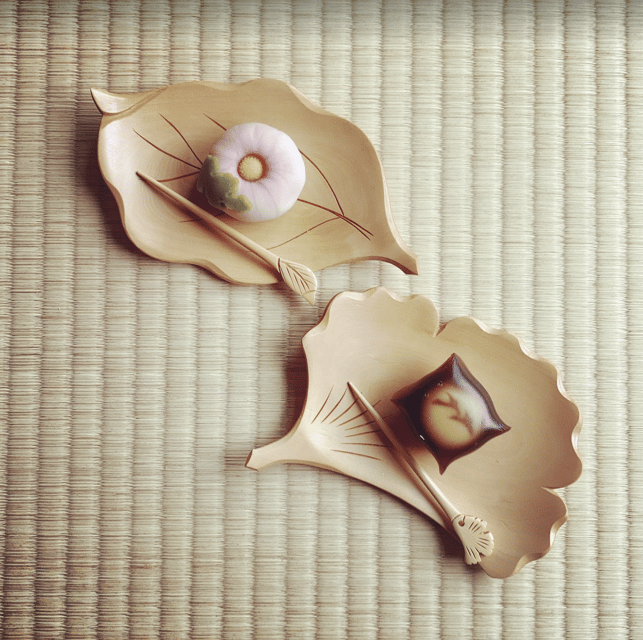
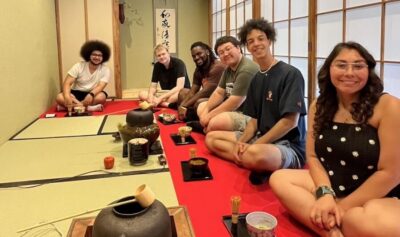
The maximum group size is six. That is small enough for direct contact with Mari and large enough to create a shared experience without making the room feel crowded.
A small group is especially valuable during the practical part of the lesson. If you are unsure how to hold the whisk, fold the tea towel, or follow the order of the movements, you should be able to ask for help without interrupting a large presentation.
The setting is also private and quiet. One booking described the room as peaceful, and another appreciated the chance to escape Tokyo’s noise for a while. Those comments match the basic appeal of the experience: it gives you room to concentrate.
Still, a small tea room is not ideal for everyone. If you prefer a larger venue with easy access, broad corridors, or a more formal public setting, this may feel too modest. The narrow stairs are the main practical concern.
Optional Kimono Dressing
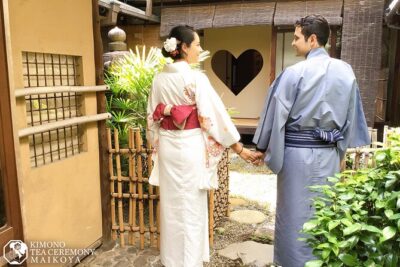
Kimono dressing is not included in the $51 price, but it can be requested as an additional service. One family used the option for two girls and found the dressing very good and reasonably priced. Another booking considered the kimono charge expensive.
That mixed response suggests you should ask for the current price before deciding. Kimono dressing can add a memorable visual element, especially for children or anyone hoping to mark a special occasion. It is not necessary to understand or enjoy the tea ceremony, so treat it as an optional extra rather than part of the core value.
If you are mainly interested in learning about matcha and Japanese hospitality, the standard session should be enough. If photos and traditional clothing are important to your plans, request the kimono option ahead of time.
Who Will Enjoy This Experience Most
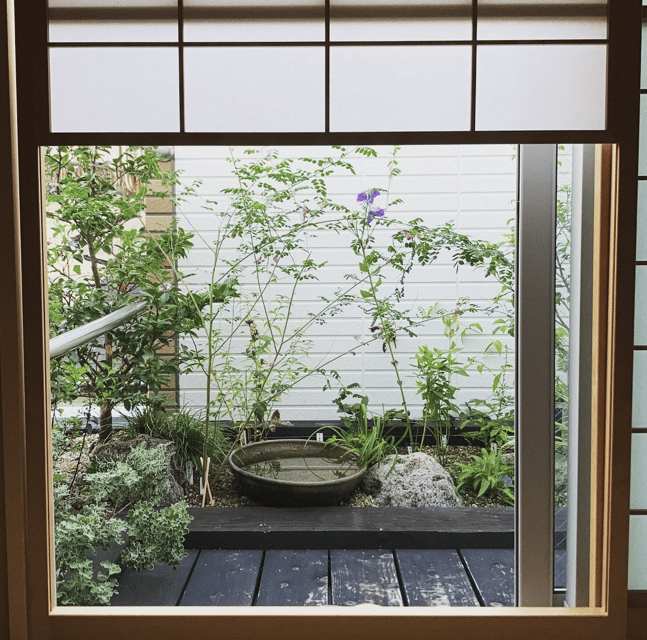
This tea ceremony is a good match for first-time visitors who want a friendly introduction to Japanese customs. You do not need prior knowledge, and the instruction is designed for complete beginners.
It also suits:
- Couples looking for a calm cultural activity
- Families with children who can follow a hands-on lesson
- Solo visitors who enjoy small-group instruction
- People interested in Japanese hospitality and traditional arts
- Anyone staying near Nishi-Nippori, Yanaka, or Nezu Shrine
- Visitors who want a short activity that fits around other Tokyo plans
The experience may be less suitable if you need step-free access or dislike residential meeting points. It may also disappoint you if you expect a long ceremony, extensive food, or transportation between sights.
The English instruction is a major advantage. You can ask questions directly and follow explanations without relying only on gestures. That makes the cultural meaning easier to grasp.
Is $51 a Fair Price?
At $51 per person, this is a mid-priced one-hour cultural activity. It costs more than buying a matcha drink at a café, but the comparison is not quite fair. You receive instruction from a teacher with 20 years of experience, a guided preparation lesson, matcha, dried sweets, and a small group setting.
The strongest value comes from personal attention. If you simply want to taste matcha, spend less at a tea shop. If you want to understand how matcha is prepared and why the ceremony follows careful patterns, the price is easier to justify.
The experience also earns value from its location and relaxed pace. You are close to parts of Tokyo that reward slow walking, and the activity adds cultural context to the neighborhood.
Kimono dressing is separate, and transportation is not included. Keep those costs in mind when planning your budget.
Booking Details Worth Knowing
The activity lasts one hour, with starting times available according to the date you choose. You should meet at Senraku-an 10 minutes before the session begins.
English is the available language, and the group is limited to six people. You can reserve now and pay later, which helps if your Tokyo schedule is still changing. Cancellation is free up to 24 hours in advance for a full refund.
The experience is described as having a skip-the-ticket-line feature, though this is less important than the small-group format because you are attending a scheduled tea lesson rather than entering a major attraction.
Should You Book the Nishi-Nippori Tea Ceremony?
Book this experience if you want a personal, beginner-friendly lesson rather than a grand stage show. Mari’s patience, clear English, and willingness to repeat the tea towel technique are strong reasons to choose it. The chance to make your own matcha gives you something useful to remember beyond a few photographs.
I would pair it with Yanaka or Nezu Shrine and leave extra time to find Senraku-an. Ask about the narrow stairs before booking if anyone in your party has mobility concerns. Also confirm the kimono price if you want that add-on.
For $51, this is good value for people who care about cultural explanation and direct instruction. It is less compelling for anyone who only wants a quick cup of tea or expects a full-day traditional arts program. For most curious first-time visitors, though, this quiet hour offers a thoughtful look at Japanese hospitality without making the ceremony feel intimidating.
FAQ
How much does the tea ceremony cost?
The experience costs $51 per person.
How long does the tea ceremony last?
The session lasts one hour.
Where does the tea ceremony take place?
The meeting point is Senraku-an, near Nishi-Nippori Station. The location is about a seven-minute walk from the station and close to Yanaka and Nezu Shrine.
How early should I arrive?
You should meet at Senraku-an 10 minutes before the experience begins.
Is the activity taught in English?
Yes. The instructor teaches in English.
How many people can join the session?
The group is limited to six participants.
What is included in the price?
Matcha, traditional dried sweets, and a lesson with a tea ceremony teacher are included.
Can I wear a kimono during the experience?
Kimono dressing is available if requested, but it is not included in the standard price and costs extra.
Can I cancel the booking?
Yes. You can cancel up to 24 hours in advance for a full refund. You can also reserve now and pay later.
Just added around Tokyo
- Tokyo 6hr Instagram Highlights Private Tour with Licensed Guide★ 5.0 · 38 reviews
- Tokyo Small Group Tour with Guide★ 4.5 · 38 reviews
- Tokyo Sumo Experience with Live Show & Audience Challenge★ 5.0 · 38 reviews
- Very popular in Harajuku♡Animal petting zoo★ 4.6 · 39 reviews
- Japanese Food Cooking Class in Asakusa, Tokyo★ 5.0 · 39 reviews
- Ramen Making from Scratch with Tokyo Mom(Vegan Option Available)★ 5.0 · 39 reviews
- Tokyo: Kimono Rental inside Shinjuku Gyoen National Garden★ 4.9 · 39 reviews
- Tokyo JDM Night: 600hp C63s AMG Edition 1 (Private)★ 4.9 · 39 reviews
Tea Ceremony Experiences, compared.
Tea Ceremony in a Traditional Tea House in Kiyomizu
Read our review →
Browse the lists this tour appears in