
Reviewed · TEA CEREMONY EXPERIENCES
Traditional Tea Ceremony Experience in Kyoto
Kyoto puts matcha within easy reach. This 30-minute tea ceremony gives you single-origin matcha, a Japanese dried sweet called ohigashi, and a simple look at how tea is whisked. I like the table-and-chair seating, which makes the session easier for most people than a formal floor ceremony, and I like the low $7 price, especially for a first taste of Kyoto tea culture. The main drawback is that the presentation can feel brief and basic, particularly if you want a long lesson on history or ceremony etiquette.
You meet just one minute from Exit 1 of Gojo Station, so fitting this into a day of sightseeing is easy. The instructor speaks Japanese, with English translation provided as much as possible, but the room can be crowded and hard to hear. Arrive early, since the ceremony cannot wait for late arrivals.
In This Review
- Key points to know before booking
- What the 30-minute Kyoto tea ceremony is really like
- Finding the venue near Gojo Station
- The opening lesson: tea, tools, and meaning
- Watching single-origin matcha being made
- Ohigashi adds a small but important detail
- How the atmosphere affects the lesson
- Is $7 good value for Kyoto?
- Who will enjoy this activity most?
- Timing, cancellations, and practical cautions
- Should you book the Gojo Station tea ceremony?
- FAQ
- Where is the tea ceremony held?
- How long does the activity last?
- What is included in the price?
- Is the completion certificate included?
- What language does the instructor speak?
- Is the venue wheelchair accessible?
- What are the operating hours?
- Can the ceremony wait if I am late?
- Can I cancel for a full refund?
- Are very young children charged?
Key points to know before booking
- A 30-minute introduction: This is a short cultural activity, not a full afternoon tea school.
- Single-origin matcha: You see a demonstration of how the matcha is made and then enjoy the tea with ohigashi.
- Chairs and tables: You do not need to sit on the floor in the traditional kneeling position.
- Gojo Station location: The venue is one minute from Exit 1, with its entrance facing Gojo-dori.
- Japanese instruction: English help is available as much as possible, but the lesson may be easier for you if you are comfortable with a little visual learning.
- Certificate option: A completion certificate costs an extra 300 JPY.
What the 30-minute Kyoto tea ceremony is really like
This activity is built as a compact introduction to Japanese tea ceremony customs. You are not signing up for a long, hushed ritual in a historic temple. Instead, you get a practical session that shows the main steps, explains the utensils and movements, and lets you enjoy the finished matcha.
That distinction matters. If you have only a short time in Kyoto, half an hour is easy to fit between sights, lunch, or a train connection. If you already know tea ceremony traditions or want a detailed discussion of Zen ideas, seasonal customs, and formal etiquette, you may find the lesson too light.
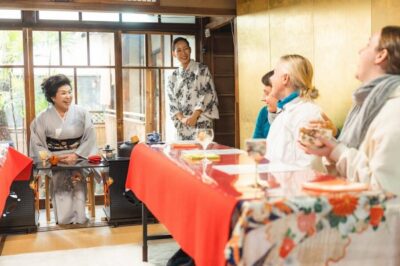
The setting uses tables and chairs. I see this as a real advantage for many people. Sitting on the floor can be uncomfortable, especially for children, older visitors, or anyone with stiff knees. The chair seating also keeps the focus on the demonstration rather than on trying to hold a formal posture.
The activity is wheelchair accessible according to the booking information, but there is an important point to check before you go: the building has no elevator, and stairs are needed to reach each venue. Contact the provider ahead of time if this affects you.
More Tea Ceremonies in Kyoto
- Kyoto: Tea Ceremony in a Traditional Tea House in Kiyomizu
★ 4.9 · 3,519 reviews - Kyoto: Tea Ceremony Ju-An at Jotokuji Temple
★ 4.9 · 3,207 reviews - Kyoto: 45-Minute Tea Ceremony Lesson Experience
★ 4.3 · 2,378 reviews
Finding the venue near Gojo Station
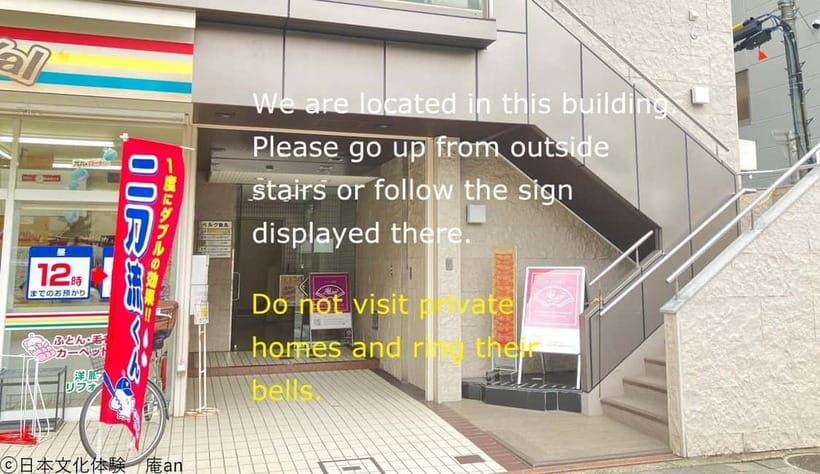
The meeting point is at 1 Gojo Station on the Subway Karasuma Line. From Exit 1, the walk takes about one minute. The entrance faces the main street, Gojo-dori, which is useful because you do not need to search through a quiet side lane.
Use the supplied map coordinates if you want to confirm the location before leaving your hotel. The coordinates are 34.99642916810299, 135.76176672966227. I would still allow a few extra minutes to locate the entrance and climb the stairs.
The operation hours are 10:00 to 17:00. Reservations received after 17:00 are processed the next day, so do not expect an evening booking response. The central location makes this a practical stop during daytime sightseeing, but it also means you should plan around the fixed start time.
The staff cannot hold the event for late arrivals. Even a short delay can cause trouble because the entire activity lasts only 30 minutes. Aim to arrive early, especially if you are coming from another part of Kyoto.
The opening lesson: tea, tools, and meaning
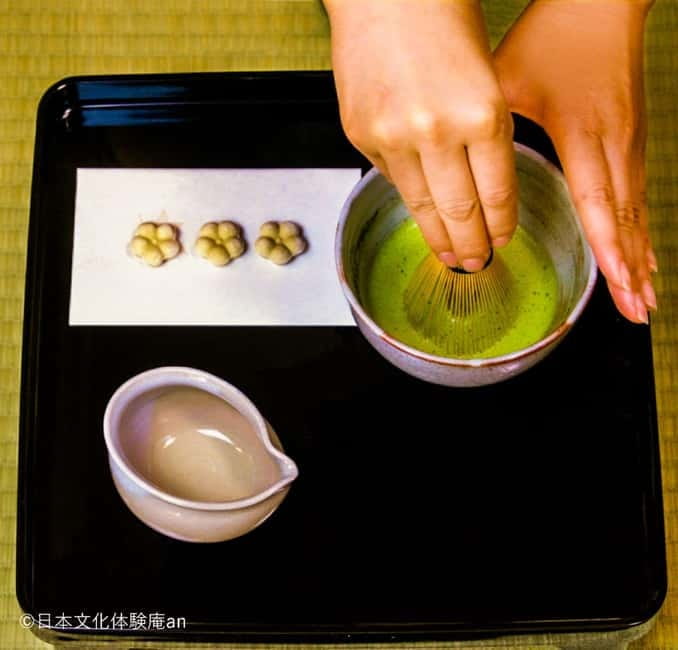
The session begins with an explanation of the tea ceremony and its place in Kyoto. The instructor guides you through the main movements and utensils, showing why the actions are performed in a particular way rather than simply telling you to add hot water and mix.
The strongest part of the lesson is its hands-on visual quality. You can watch the preparation closely, then connect the explanation to the cup in front of you. One attendee described the session as calming and educational, while another appreciated learning the history of matcha along with the basic do’s and don’ts.
Still, you should set your expectations carefully. The English portion may be limited, and translation is offered as much as possible rather than guaranteed as a full, continuous presentation. Some sessions may include explanations in Japanese and another language, which can make the information harder to follow.
The quality of the explanation may also depend on the group and the room. A crowded space can make it difficult to hear the guide. If cultural background matters greatly to you, contact the provider before booking and ask what English support will be available at your chosen time.
Watching single-origin matcha being made
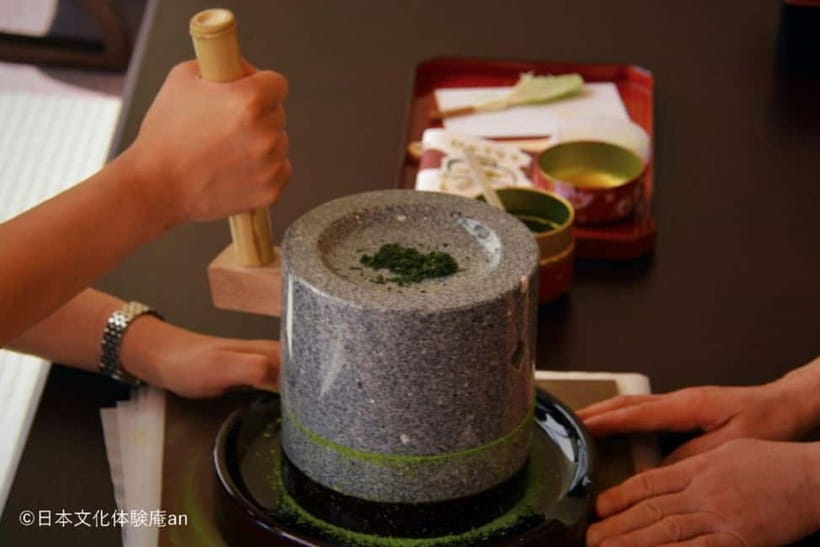
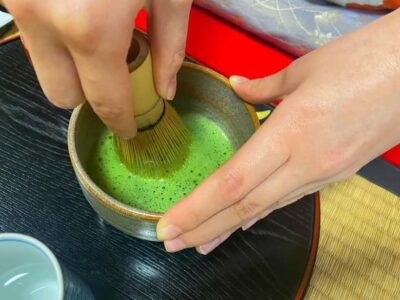
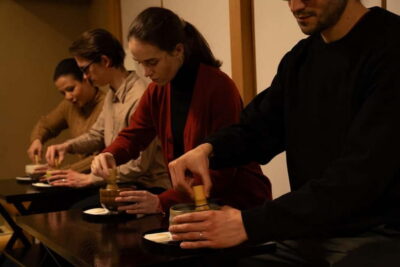
The main attraction is the preparation of single-origin matcha. You see how the powdered tea becomes the drink served in the bowl, giving you a direct look at one of Japan’s best-known food traditions.
Matcha is not brewed like ordinary loose-leaf tea. The powdered leaves are mixed into hot water, so you drink the tea itself rather than only drinking water that has passed over leaves. That makes the texture and taste more direct, and the preparation technique matters.
The demonstration is useful because it gives you a better sense of the care behind the cup. You see the sequence of movements, the use of the tea utensils, and the way the powder and water are combined. The tea has been described as notably strong, so prepare for a concentrated flavor rather than a mild cup.
This is also the point where the activity may feel too simple for experienced tea drinkers. The basic instruction can amount to how to add hot water and mix. That is enough for a first introduction, but it will not answer every question about when matcha is traditionally served, who drinks it, or how different schools of tea ceremony vary.
A completely different kind of day out in Kyoto:
- PERFECT KYOTO 1-Day Bus Tour
★ 5.0 · 13,518 reviews - Kyoto: Fushimi Inari, Kinkakuji, Bamboo Grove 1 Day Bus Tour
★ 4.8 · 4,316 reviews - Kyoto Geisha Walking Tour: Gion District & Hidden Gems
★ 4.7 · 3,273 reviews - Kyoto: Gion Magical Night Walking Tour with Geisha Trivia
★ 4.9 · 2,393 reviews
Ohigashi adds a small but important detail
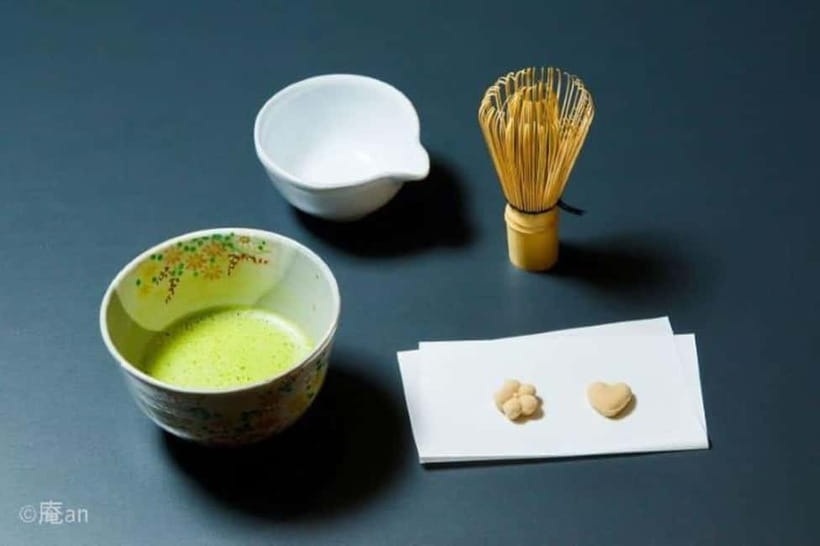
Your matcha comes with ohigashi, Japanese dried sweets. This is more than a decorative snack. Sweetness helps balance the strong, slightly bitter flavor of matcha, and the pairing gives you a small lesson in how tea and food work together.
The ohigashi is also part of the ceremony’s visual appeal. Japanese tea culture pays attention to the relationship between the tea, the sweet, the utensils, and the season. This short activity will not cover every layer of that subject, but the sweet helps you notice that matcha is not meant to be treated like an isolated drink.
The portion is part of a set experience called OTE-MAE, the Japanese tea ceremony service included with the booking. You should not expect a meal. Eat beforehand if you need lunch, and treat the sweet as a carefully chosen accompaniment rather than a substantial snack.
How the atmosphere affects the lesson
The activity has earned an overall rating of 4.3 from 64 ratings, with especially strong praise for its calming and educational qualities. Those comments point to the best use of your time here: a gentle cultural pause that gives you a taste of Kyoto tradition without taking up half a day.
The room may feel crowded, though. One attendee found it difficult to hear the guide, and that is worth taking seriously because the activity depends on spoken explanation. The ceremony itself can still be enjoyable, but you may miss details if you are seated far from the instructor or if several languages are being used.
I would choose a quieter time if the booking calendar gives you options. I would also sit where you can see the demonstration clearly. Since the session is short, there is little spare time to repeat every explanation.
The Japanese instructor is the main guide, and English translation is available as much as possible. You should contact the provider in advance if you need detailed English instruction. Do not assume that every part will be translated word for word.
Is $7 good value for Kyoto?
At $7 per person, this is one of the easier cultural activities to add to a Kyoto itinerary. The price covers the OTE-MAE tea ceremony set, the matcha demonstration, the single-origin tea, the ohigashi, and the instruction.
I consider it good value for a first introduction. You get a real cultural activity rather than just buying a matcha drink at a café, and the location near Gojo Station keeps transport costs and travel time low. The chair seating is another practical benefit that may save you from an uncomfortable formal posture.
The low price also signals the limits of the program. Thirty minutes does not allow for a long conversation, an extended ritual, or a detailed comparison of tea schools. If you want an in-depth study, you will need a longer class elsewhere. If you want a short and affordable introduction, the price is easy to justify.
A completion certificate is available for an extra 300 JPY. I would treat it as a small souvenir rather than a meaningful qualification. It could be fun for children or anyone who likes a physical reminder of the activity, but it is not included in the base price.
Who will enjoy this activity most?
This ceremony suits you if you are visiting Kyoto for the first time and want a simple introduction to matcha. It also works well for families, because children under two who sit on a parent’s lap are free, and the chair seating avoids the challenge of kneeling.
It is a good choice for anyone with a packed sightseeing plan. You can reach the venue quickly from Gojo Station, complete the session in half an hour, and continue to your next stop. The format is also helpful if you want a cultural activity that does not require a full afternoon.
You may want to choose something longer if you have already attended a tea ceremony or have a serious interest in tea history. The brief information and limited English support may leave you wanting more. People who depend on clear spoken translation should contact the provider before paying.
The session can also suit you if you prefer watching before participating. The demonstration shows the preparation clearly, and the short format keeps the process from becoming tiring. The tradeoff is that there may not be much time for individual questions.
Timing, cancellations, and practical cautions
Free cancellation is available up to 24 hours before the activity for a full refund. After that point, a cancellation fee applies, and changing the date or time after a fee has been incurred can bring another specified charge.
The provider will not compensate you for travel costs if you cancel. That makes early planning important, particularly if you are connecting this activity with a train, airport transfer, or timed attraction.
You can reserve now and pay later, which helps if your Kyoto schedule is still changing. Even so, check the exact starting time before confirming. The session cannot be held for delays, and only people taking part in the activity may enter.
Children under two are free when seated on a parent’s lap. The supplied information does not give a broader child age policy, so contact the provider if you are booking for older children or a large family group.
Should you book the Gojo Station tea ceremony?
I would book this activity if you want an inexpensive, short introduction to Kyoto tea culture, especially if you value chair seating and an easy subway location. The single-origin matcha, ohigashi, and preparation demonstration give the session enough substance to feel like more than a quick drink.
I would not book it expecting a long history lesson or a fully English-led ceremony. The instruction is in Japanese, translation is provided as much as possible, and the room may be crowded or difficult to hear. For the best chance of a smooth visit, arrive early, ask about English support before booking, and check the stairs if accessibility is important.
For $7, this is a sensible add-on to a Kyoto day. It offers a calm half-hour, a taste of strong matcha, and a clear first look at one of Japan’s most recognizable traditions.
FAQ
Where is the tea ceremony held?
The venue is a one-minute walk from Exit 1 of Gojo Station on the Subway Karasuma Line. The entrance faces Gojo-dori.
How long does the activity last?
The scheduled duration is 30 minutes. Individual sessions may finish slightly earlier, so allow only half an hour for the formal activity.
What is included in the price?
The booking includes the OTE-MAE Japanese tea ceremony set, single-origin matcha, and Japanese dried sweets called ohigashi.
Is the completion certificate included?
No. A completion certificate costs an additional 300 JPY.
What language does the instructor speak?
The instructor speaks Japanese. English translation is provided as much as possible, and you should contact the provider if you need added English support.
Is the venue wheelchair accessible?
The activity is described as wheelchair accessible, but the building has no elevator and stairs are required to reach each venue. Contact the provider before booking to discuss your needs.
What are the operating hours?
The operation hours are 10:00 to 17:00. Reservations received after 17:00 are processed the following day.
Can the ceremony wait if I am late?
No. The event cannot be held to accommodate delays. Arrive early to avoid missing part of the session.
Can I cancel for a full refund?
You can cancel up to 24 hours in advance for a full refund. Cancellation fees apply after that point.
Are very young children charged?
Children under two are free when they sit on a parent’s lap.
Just added around Kyoto
- Kyoto: Gion Night Walking Tour with Geisha Insight★ 5.0 · 39 reviews
- Kyoto: Private Customizable Day Trip by Car★ 5.0 · 38 reviews
- Kyoto: Full Day Bike Tour★ 4.9 · 39 reviews
- Private Japanese Calligraphy in Kyoto – Learn Shodō with a Master★ 5.0 · 39 reviews
- Kyoto: Gion Evening Walk with Hidden Gems, Geisha & Sake★ 5.0 · 41 reviews
- Experience a tea ceremony in an authentic tearoom, in Kyoto!★ 4.5 · 41 reviews
- Kyoto Private Photo Shoot & Tour by SnapKyoto★ 5.0 · 41 reviews
- The Way of Tea: Kyoto Crafts, Hidden Temples & Wabi-Sabi Walk★ 5.0 · 41 reviews
Tea Ceremony Experiences, compared.
Tea Ceremony in a Traditional Tea House in Kiyomizu
Read our review →
Browse the lists this tour appears in