
Reviewed · RAMEN & NOODLE TOURS
Cozy Tokyo Class: Ramen, Sushi, Sake Pairing & Cultural Exchange
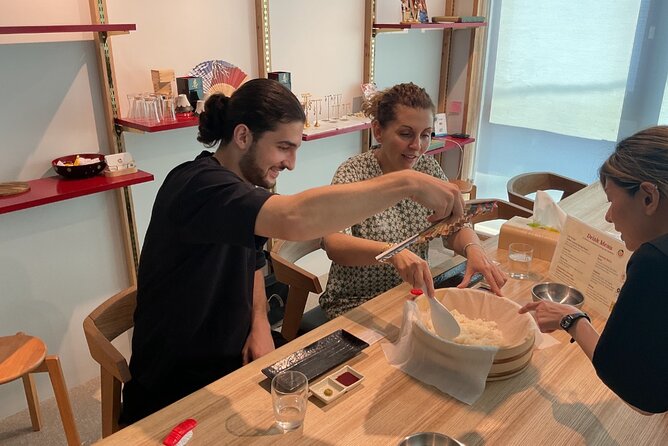
Good food makes a better souvenir. This three-hour Tokyo cooking class gives you hands-on practice with ramen and sushi, plus the option of making gyoza, in a friendly English-speaking setting. I like the small-group feel and the chance to learn recipes you can actually repeat at home.
I also like the generous drink choice, including sake, Japanese beer, and non-alcoholic beverages. Hosts such as Umi, Kou, Komi, Alissa, Risa, and Namiko are praised for clear instruction and warm conversation. One point to check before booking is the group limit: the main description says four people, while the additional details allow up to eight.
In This Review
- Key points to know before booking
- What the three-hour Tokyo class is really about
- Arriving at HAUS Tsukishima in Chuo City
- Starting with ramen from scratch
- Making sushi, with gyoza as an option
- Sake, beer, and non-alcoholic drinks at the table
- The people are a major part of the experience
- Is $79 a fair price in Tokyo?
- Who will get the most from this class?
- Timing, cancellation, and a few practical checks
- Should you book the Ramen and Sushi Cooking Tokyo class?
- FAQ
- How long does the cooking class last?
- Where does the class begin and end?
- What dishes will I make?
- Is the class suitable for beginners?
- What drinks are included?
- How many people can join the class?
- Can I cancel for a full refund?
Key points to know before booking
- Two Japanese classics in three hours: You prepare ramen and sushi, with gyoza listed as an optional dish in the class description.
- A genuinely small setting: The experience is advertised as capped at four people, though another detail gives a maximum of eight.
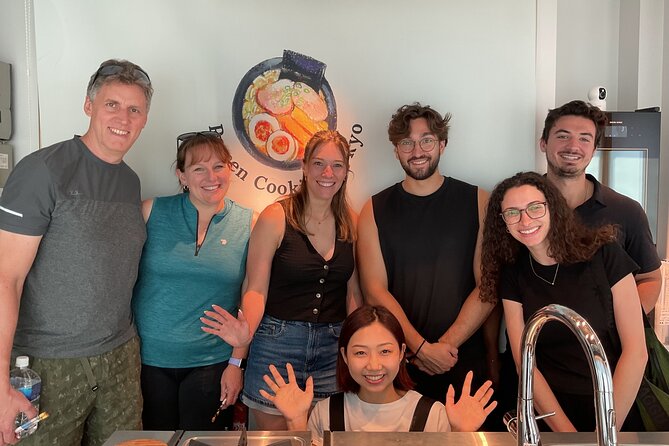
- English-friendly hosts: Umi, Kou, Komi, Alissa, Risa, and Namiko are named by past participants as welcoming instructors.
- Drinks are part of the meal: Unlimited sake pairings, Japanese beer, and non-alcoholic drinks are included.
- Recipes go home with you: You receive detailed instructions so the class can continue in your own kitchen.
- A convenient central Tokyo meeting point: The class begins and ends at HAUS Tsukishima in Chuo City.
What the three-hour Tokyo class is really about
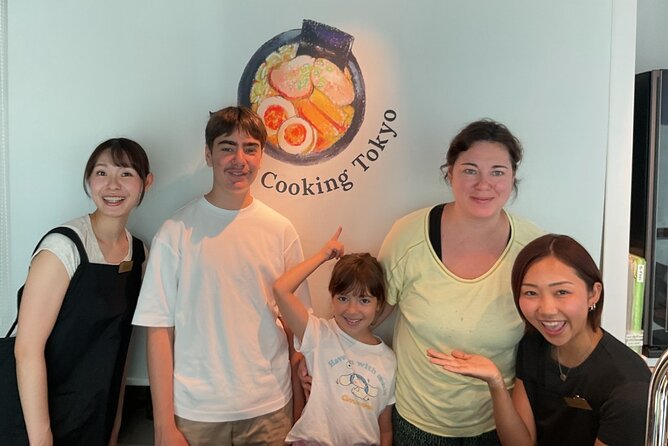
This is not only a lesson in folding dumplings or shaping sushi. The stated aim is connection through food, conversation, and cultural exchange. That matters because many cooking classes rush through techniques, hand you a plate, and send you out the door. Here, the food is the doorway into stories about Japanese cooking customs and everyday meals.
You should expect an informal class rather than a formal culinary school session. The hosts guide you through the work, answer questions, and keep the pace friendly for beginners. If you already cook, you can still pick up useful ideas about seasoning, preparation, and presentation.
The class lasts about three hours, which is long enough to prepare several dishes and sit down to eat them. It also fits well into a Tokyo schedule. You can place it between sightseeing plans without giving up an entire day.
The experience is designed for families, couples, and friends. It is also used for birthdays and honeymoons, although the class remains a cooking lesson first. If you want a quiet romantic dinner with no participation, this is not the right format. If you want to make something together and leave with a shared story, it makes more sense.
More Food Tours in Tokyo
- Tokyo: Shinjuku Food Tour (13 Dishes at 4 Local Eateries)
★ 5.0 · 6,603 reviews - Tokyo Tsukiji Fish Market Food and Culture Walking Tour
★ 5.0 · 3,184 reviews - Tokyo: Shinjuku Food Tour (15 Dishes and 4 Eateries)
★ 4.9 · 2,033 reviews
Arriving at HAUS Tsukishima in Chuo City
The meeting point is HAUS Tsukishima, at 2-chōme 13-5 Tsukuda, Chuo City, Tokyo 104-0051. The location is near public transportation, and the activity returns to this same point at the end.
That simple return arrangement is useful in Tokyo, where a cooking class can otherwise leave you guessing about the final location. You do not need to arrange private transportation because none is included or required by the stated plan. You are responsible for getting to the meeting point and returning to your hotel afterward.
I would allow a little extra time to find the building. The address is specific, but Tokyo streets and building names can still take a moment to sort out, especially if you are arriving from a busy sightseeing area. Have the full address available on your phone.
The setting is described as cozy and small-group. That is important here. Cooking depends on seeing what the instructor is doing, hearing small corrections, and having room to work. A class of four would offer the most personal attention. Since the additional information lists a maximum of eight, I would confirm the expected group size if that detail matters to you.
Starting with ramen from scratch
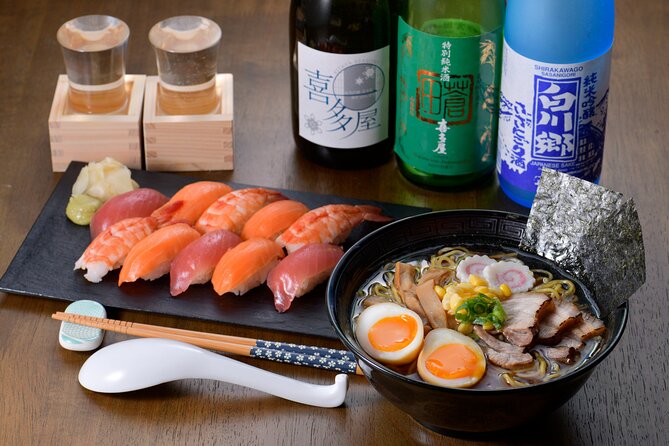
Ramen is the main draw for many people, and this class gives you a chance to make it rather than simply order a bowl at a restaurant. The preparation is presented as a from-scratch lesson, with the instructor explaining the process and the culinary traditions connected to it.
For a first-time cook, the appeal is clear. You are not just watching a chef prepare a finished bowl. You are learning how the parts come together, then eating the result while the instructions are fresh in your mind.
The hosts are praised for explaining things at a comfortable pace. That makes a difference when several steps happen close together. Past participants describe the directions as easy to follow, which should reassure anyone who enjoys Japanese food but rarely cooks it.
The class also gives you context. You hear stories about Japanese food traditions as you work, so the dish feels connected to daily life rather than reduced to a restaurant trick. The information provided does not list every ingredient or technique, so you should not expect a detailed menu of the exact ramen style before arrival.
The practical advantage is the recipe gift. You can try the dish again at home, though your local ingredients may differ from those used in Tokyo. I would keep the recipe and take a few notes about substitutions while you are there.
Making sushi, with gyoza as an option
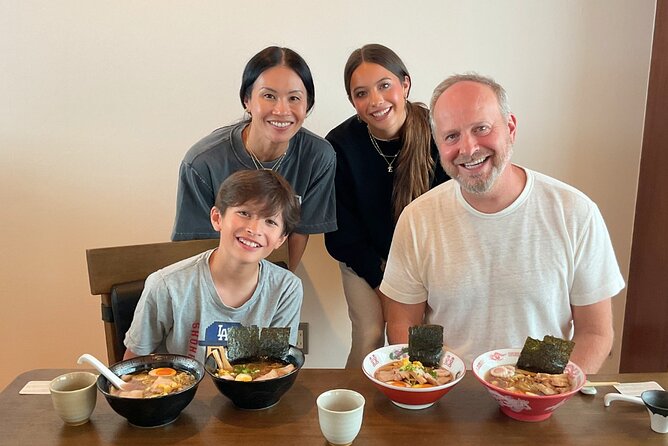
The class description presents sushi alongside ramen. Gyoza is also highlighted as one of the iconic dishes you can make, and the detailed description refers to sushi or optional gyoza. Because the wording gives both options, check the exact class format at booking if you have your heart set on dumplings rather than sushi.
That small uncertainty is not a reason to dismiss the experience, but it is worth clearing up. Ramen, sushi, and gyoza each involve different types of preparation. The best choice depends on what you most want to learn and what you hope to recreate after returning home.
Sushi adds a visual side to the lesson. You get to work with careful shaping and presentation, then eat what you have made. Gyoza offers a more hands-on folding activity and may be especially appealing to families or friends who enjoy working side by side.
The food is repeatedly praised as fresh and tasty, and the instructions are described as simple to follow. I would view that as a sign that the class is built around participation, not a test of cooking skill. You do not need to arrive with professional knife work or Japanese culinary experience.
The instructors also create room for questions. Names associated with the class include Umi, Kou, Komi, Alissa, Risa, and Namiko. The exact teaching team may vary, but the repeated praise for the hosts points to a consistent strength: the people running the class make it easy to ask for help.
More Ramen Tours in Tokyo
- Eat and Drink Like a Local: Tokyo Ueno Food Tour-Taverns&Ramen
★ 5.0 · 957 reviews - Ramen & Gyoza Cooking Class in Tokyo with Local Supermarket Visit
★ 5.0 · 823 reviews - Tokyo: Ramen Tasting Tour with 6 Mini Bowls of Ramen
★ 4.9 · 432 reviews - Tokyo: Easy Ramen Cooking Experience in Kabukicho, Shinjuku
★ 4.6 · 321 reviews
Sake, beer, and non-alcoholic drinks at the table
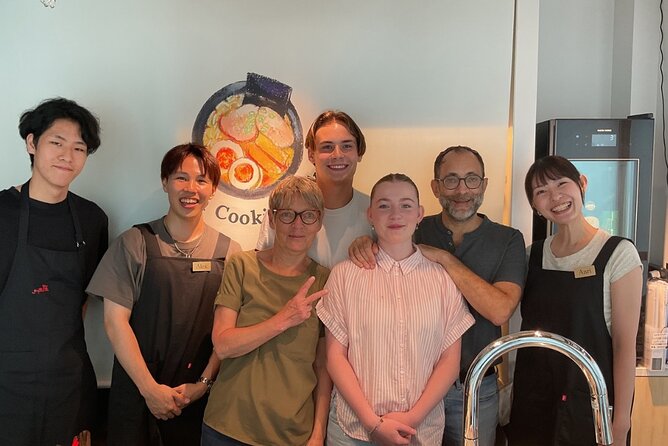
Unlimited sake pairings are included, along with Japanese beer and non-alcoholic beverages. At $79, this adds real value, especially because you are also receiving a meal, instruction, and a take-home recipe.
The drink arrangement suits the cultural exchange theme. Sake is not simply an extra charge at the end. It is part of the shared meal and gives the hosts another way to talk about Japanese food and drink customs.
You should still pace yourself. The class lasts three hours, and the sake is paired with food, but unlimited does not mean you need to drink heavily. You can choose beer or non-alcoholic drinks instead, which makes the class more workable for families, people who do not drink, and anyone who has a full day of sightseeing afterward.
The supplied information does not specify the sake types, serving sizes, or whether children have a special drink menu. If those details matter for your group, ask before arrival. The safe conclusion is that you have several drink choices included in the price.
The people are a major part of the experience
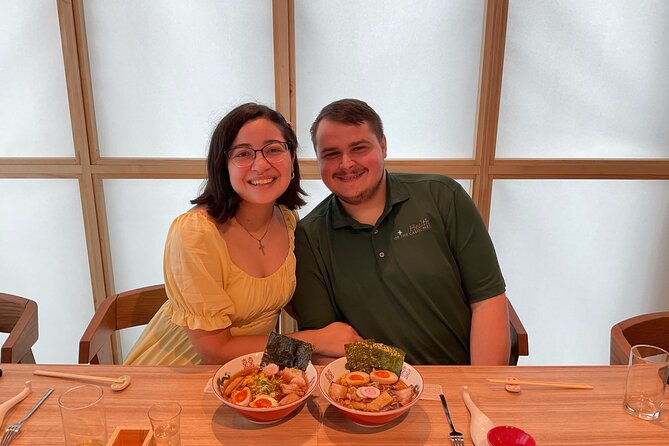
Food classes succeed or fail on the teaching. Here, the human side receives especially strong praise. Umi and Kou are described as welcoming from the moment of arrival, while Umi, Komi, and Alissa are singled out for kindness, good instruction, and a sense of fun. Risa and Namiko are also praised for explaining each step at a good pace.
That range of names suggests a team rather than a single host, though you should not assume every person will teach your particular session. What matters is the pattern: the class is built around conversation and encouragement.
English is supported, and the hosts are described as having very good English. That does not mean every cooking term will be instantly familiar, but it should make the lesson accessible if you do not speak Japanese.
The cultural exchange is another useful feature. You can ask questions about food, Japan, and everyday customs while preparing the dishes. The class is not presented as a lecture, so the cultural material comes through conversation and stories. I prefer that approach for a short activity because it keeps the information tied to something you are doing with your hands.
Is $79 a fair price in Tokyo?
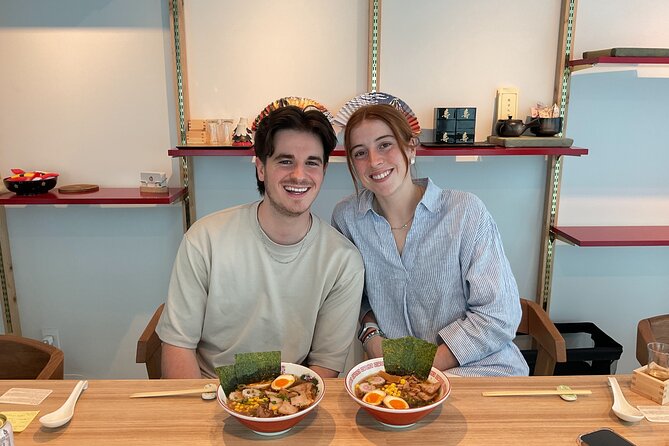
At $79, this is not the cheapest meal you can buy in Tokyo. That is not the right comparison. You are paying for about three hours of instruction, ingredients, a prepared meal, drinks, cultural conversation, and a recipe to use later. All fees and taxes are included.
The value is strongest if you want an activity, not just dinner. A ramen shop can feed you faster and often for less. A cooking class gives you time with local hosts and a skill you can carry home.
The small group also affects the price. If your class has four people, you are paying for a more personal lesson where you can hear directions and receive help. If it reaches eight, the value remains reasonable, but the experience may feel less intimate.
I would book this for a day when you want a break from temples, shopping, and long train rides. It gives you a seated meal and a social activity without requiring advanced cooking ability. For a family, the included drinks and shared tasks may make the price easier to justify. For a solo visitor, the value depends on how much you enjoy meeting people through food.
Who will get the most from this class?
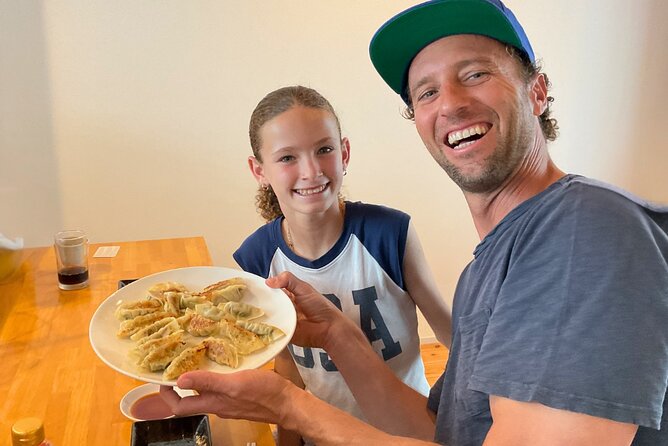
This experience suits you best if you:
- Want to learn ramen and sushi instead of only eating them
- Prefer a small and friendly class to a large demonstration
- Need an activity suitable for mixed cooking abilities
- Enjoy asking questions about local food traditions
- Want a recipe you can try again at home
- Like having sake, beer, or soft drinks included
- Are marking a birthday, honeymoon, or special trip
It may be less suitable if you need a fully private class, have strict dietary requirements that have not been discussed, or want a precise menu guaranteed in advance. The information provided does not list dietary substitutions, accessibility details, or the exact recipe choices for every session.
Families should find the relaxed format helpful. Couples can treat it as a shared activity rather than another restaurant meal. Friends can divide up the preparation and compare results. Experienced cooks may not learn every professional technique, but they can still enjoy the Japanese approach and take home useful recipes.
Timing, cancellation, and a few practical checks
The class is approximately three hours and ends back at the meeting point. Confirmation is provided when you book, and the location is near public transportation.
Free cancellation is available if you cancel at least 24 hours before the local start time. Inside that window, the payment is not refunded, and changes are not accepted. Tokyo plans can shift quickly, so check your schedule before committing.
I would also confirm three things before paying: the expected group size, whether your session includes sushi, gyoza, or both, and any food or drink concerns. The class is described as suitable for all ages and skill levels, but the supplied details do not spell out every dietary or access arrangement.
Should you book the Ramen and Sushi Cooking Tokyo class?
I would book it if you want a warm, hands-on Tokyo activity with food at the center. The strongest reasons are the small setting, the approachable hosts, the chance to make more than one Japanese dish, and the recipes you can use after your trip.
The main caution is the mismatch between the advertised four-person cap and the separate maximum of eight. I would ask about that before booking if personal attention is important. I would also confirm the sushi and gyoza plan.
For $79, the class offers good value when you count the meal, drinks, instruction, and cultural conversation together. You should book it for the shared experience and the practical cooking lesson, not simply because it is a cheap way to eat. If that sounds like your kind of Tokyo memory, this class deserves a place in your plans.
FAQ
How long does the cooking class last?
The class lasts approximately three hours.
Where does the class begin and end?
It begins and ends at HAUS Tsukishima, 2-chōme 13-5 Tsukuda, Chuo City, Tokyo 104-0051.
What dishes will I make?
The class description includes ramen and sushi, with gyoza listed as an optional dish. Confirm the exact combination when booking if you want a particular dish.
Is the class suitable for beginners?
Yes. The experience is described as suitable for all ages and skill levels, including beginners and experienced cooks.
What drinks are included?
Unlimited sake pairings, Japanese beer, and non-alcoholic beverages are included.
How many people can join the class?
The main description says the group is capped at four people. Additional information lists a maximum of eight travelers, so confirm the expected group size before booking.
Can I cancel for a full refund?
Yes, if you cancel at least 24 hours before the experience start time. Cancellations within 24 hours are not refunded, and changes within that period are not accepted.
More Drinking Tours
- Tokyo Bar Hopping Tour in Shinjuku (All-You-Can-Drink + Dinner)
★ 5.0 · 3,587 reviews - Best of Shinjuku: Izakaya Food Tour (4 Stops, 14+ Tastings)
★ 5.0 · 1,863 reviews - Tokyo: Shinjuku Local Bar and Izakaya Guided Walking Tour
★ 4.9 · 1,794 reviews - Shibuya Meltdown Nightlife Tour: All-You-Can-Drink Bar Hopping
★ 5.0 · 1,058 reviews
More Sake Tastings in Tokyo
- Ramen and Sushi Cooking Class with Sake Pairing Set in Tokyo
★ 5.0 · 291 reviews - Sake Tasting Masterclass in Shinjuku (8+ Varieties with a Pro)
★ 5.0 · 271 reviews - Sake Omakase in Tokyo: Guided Tasting by Certified Sommeliers
★ 5.0 · 239 reviews - Tasting All Types of Sake with Sommelier
★ 5.0 · 151 reviews
Just added around Tokyo
- Tokyo 6hr Instagram Highlights Private Tour with Licensed Guide★ 5.0 · 38 reviews
- Tokyo Small Group Tour with Guide★ 4.5 · 38 reviews
- Tokyo Sumo Experience with Live Show & Audience Challenge★ 5.0 · 38 reviews
- Japanese Food Cooking Class in Asakusa, Tokyo★ 5.0 · 39 reviews
- Very popular in Harajuku♡Animal petting zoo★ 4.6 · 39 reviews
- Ramen Making from Scratch with Tokyo Mom(Vegan Option Available)★ 5.0 · 39 reviews
- Tokyo: Kimono Rental inside Shinjuku Gyoen National Garden★ 4.9 · 39 reviews
- Tokyo JDM Night: 600hp C63s AMG Edition 1 (Private)★ 4.9 · 39 reviews
Ramen & Noodle Tours, compared.
Ramen Cooking Class at Ramen Factory in Kyoto
Read our review →
Eat and Drink Like a Local: Tokyo Ueno Food Tour-Taverns&Ramen
Read our review →
Ramen & Gyoza Cooking Class in Tokyo with Local Supermarket Visit
Read our review →
Ramen Cooking Class at a Ramen Factory with Souvenir
Read our review →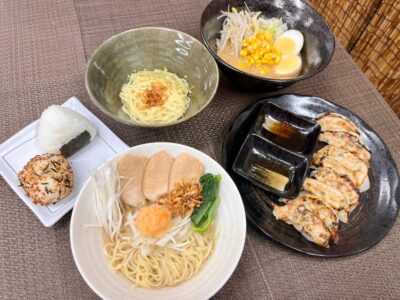
Five Must-See Highlights Walking Tour & Ramen Lunch
Read our review →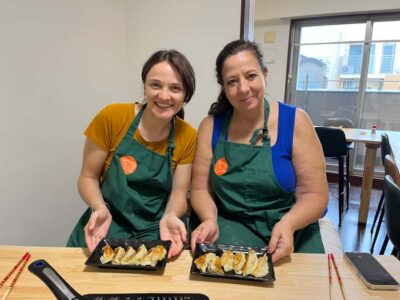
Browse the lists this tour appears in