
Reviewed · MIYAJIMA ISLAND TOURS
Hiroshima: Miyajima Half-day Historical Walking Tour
Miyajama rewards a slower look. This half-day walk links the island’s famous sights with useful stories about Shinto, Buddhism, local food, and daily life. I especially like the small groups of up to seven, which make it easier to ask questions, and the included lunch, which brings fresh oysters and other Hiroshima specialties into the day.
The guide-led route also reaches places you could miss while following the main souvenir street. Guides such as Yuji, Kiki, Eri, Shun, Hika, and Kaz have been praised for clear English, warm personalities, and stories that connect temples with ordinary Japanese life. The main drawback is the amount of walking, including uneven or sloped paths, plus the extra ferry charge and limited food choices for strict diets.
In This Review
- Key Points at a Glance
- Meeting the Guide at Miyajimaguchi
- First Look at Deer and the O-Torii
- Itsukushima Shrine and Heian-Period Design
- Miyajima’s Museum and a Lunch of Local Flavors
- Daisho-in, Miyajima’s Spiritual Climb
- Momijidani, Senjokaku Pavilion, and the Wider Island
- Tea, Coffee, and the Souvenir Street Finish
- How Much Value Does $106 Offer?
- The Guides Make the Difference
- What to Bring and Who Should Book
- Should You Book This Miyajima Walk?
- FAQ
- How long does the Miyajima walking tour last?
- Where is the meeting point?
- How do I reach the meeting point from Hiroshima?
- Is the ferry included in the price?
- Is lunch included?
- Are vegetarian or vegan meals available?
- Is the tour suitable for wheelchair or stroller users?
Key Points at a Glance
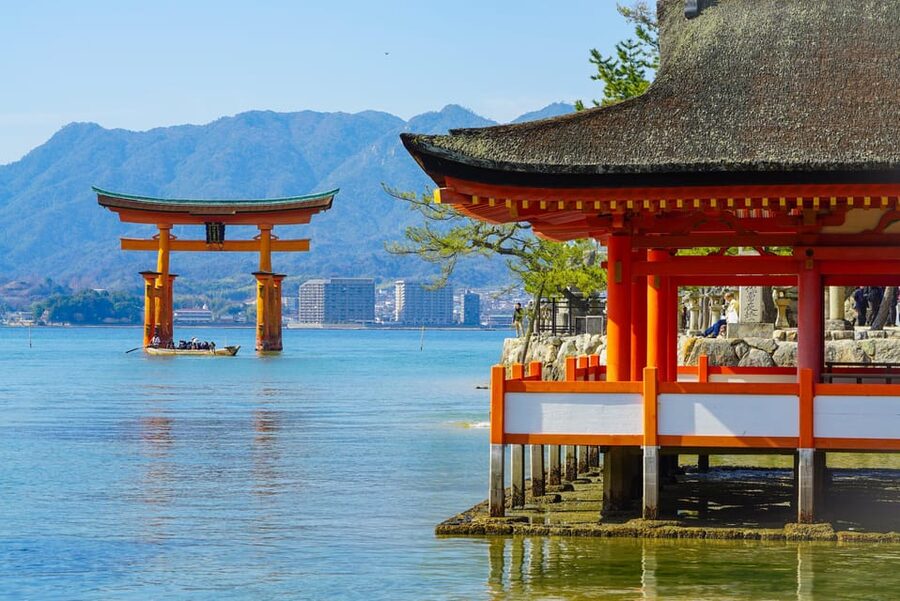
- The ferry sets the mood: Ride from Miyajimaguchi across the Seto Inland Sea with views of the O-Torii and surrounding water.
- Itsukushima Shrine is the centerpiece: See how its Heian-period design works with changing tides.
- Daisho-in provides the quieter contrast: Allow an hour for the island’s oldest temple complex, statues, gardens, and mountain path.
- Lunch is part of the experience: Fresh oysters, local ingredients, fried momiji dumplings, and other regional tastes are included.
- The pace covers a lot: You visit major landmarks, a museum, Momijidani, Senjokaku Pavilion, and less obvious corners in 330 minutes.
- Prepare for a real walk: Comfortable shoes, water, sun protection, and some cash are essential.
Meeting the Guide at Miyajimaguchi
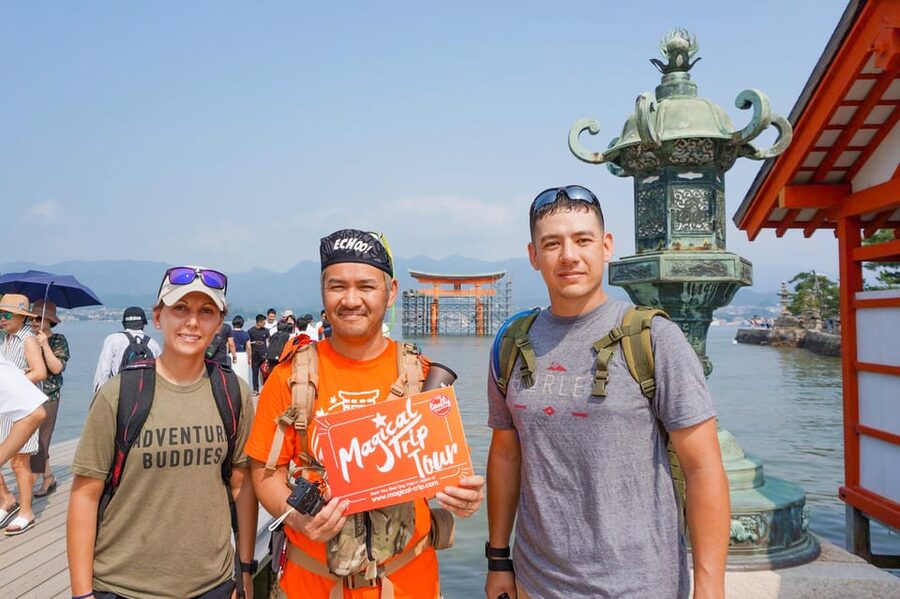
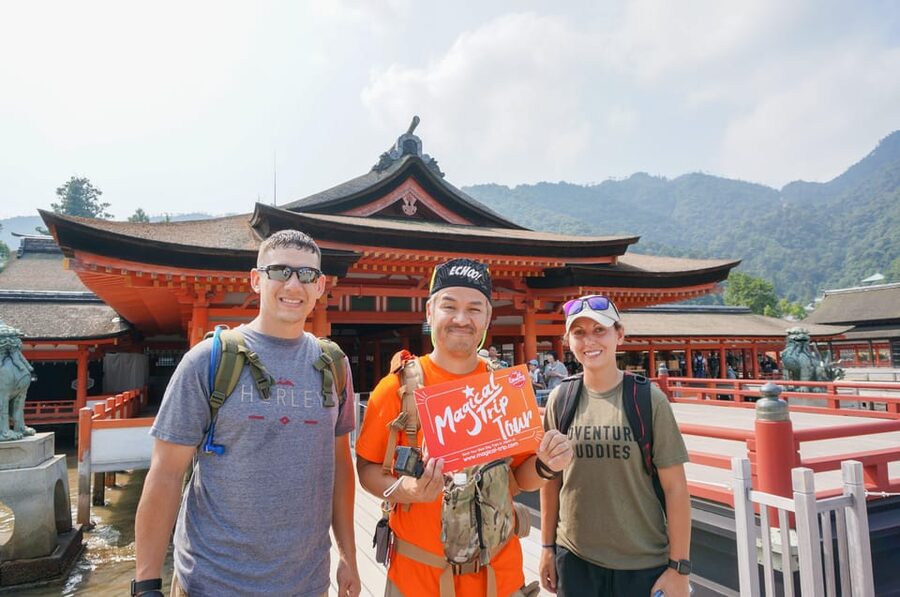
The day begins outside JR Miyajimaguchi Station, in front of the coin-operated lockers. Look for a guide holding a MagicalTrip board.
From JR Hiroshima Station, the Sanyo Line takes about 30 minutes to reach Miyajimaguchi. That transfer is simple, but you should leave enough time to find the meeting point without rushing. The tour returns to the same area after the island visit, making it practical if you are staying in Hiroshima and want to continue your day there.
The ferry is not included. The supplied information gives two different figures, JP¥500 in one place and JP¥360 in another, so bring cash and confirm the current fare before setting out. The guide helps organize the crossing, but you still need to pay this extra cost yourself.
The ferry ride is short, yet it matters. You get your first broad view of the Seto Inland Sea, and the famous O-Torii begins to appear as part of the shoreline rather than as an isolated photo stop. That arrival helps explain Miyajima’s appeal: the island’s sacred buildings, wooded hills, and water are meant to be seen together.
More History Tours in Hiroshima
- Hiroshima Historical Walking Tour – Why A-Bomb was Dropped
★ 4.8 · 893 reviews - Hiroshima Peace (Heiwa) Walking Tour at World Heritage Sites
★ 5.0 · 872 reviews - Miyajima Half-day Trip Historical Walking Tour
★ 5.0 · 284 reviews
First Look at Deer and the O-Torii
After arriving, you are welcomed by Miyajima’s friendly deer. They are a charming part of the island, but you should treat them as wild animals and keep food and loose paper away from them.
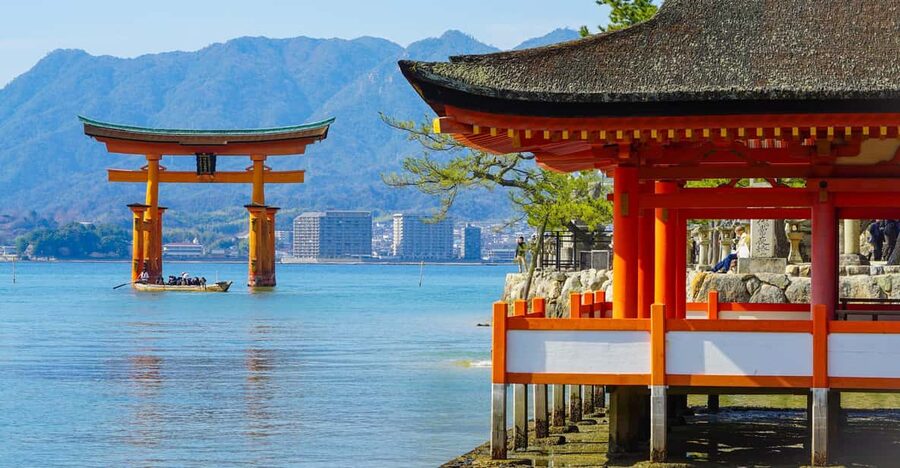
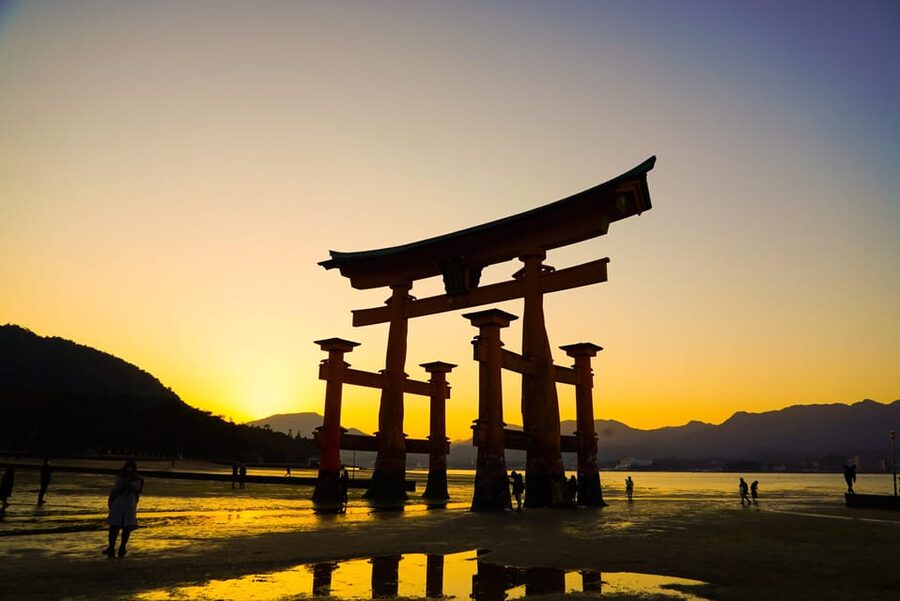
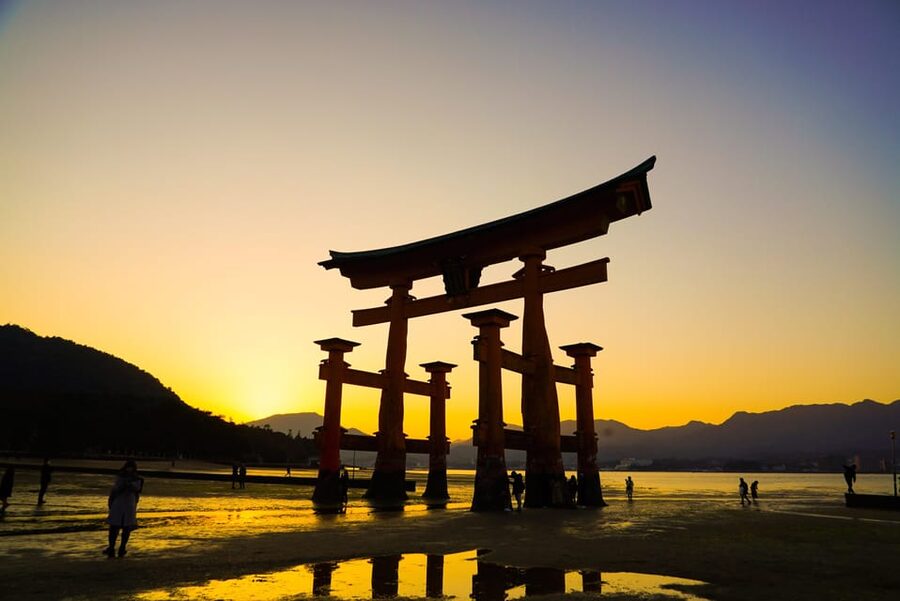
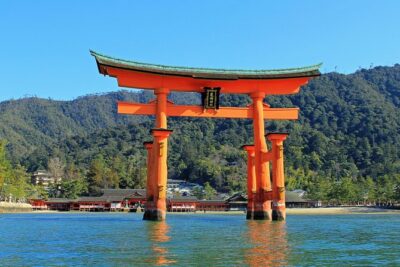
The walk follows the coast toward the O-Torii, the large orange gate that has become Miyajama’s symbol. Its position offshore marks the traditional approach to Itsukushima Shrine. Depending on the tide, you may see it surrounded by water or reach the exposed shore near its base.
That changing view is one reason timing matters here. The gate looks different at high and low tide, and the tour may give you a chance to see both conditions. One guide, Yuji, was praised for arranging the timing so the shrine and gate could be viewed both in the water and at low tide.
Do not expect a quiet shoreline all day. Miyajima is one of Japan’s best-known day trips, and the area around the gate and shrine can be busy. The advantage of having a guide is that you receive context instead of simply joining the crowd for photographs.
Itsukushima Shrine and Heian-Period Design
Itsukushima Shrine receives about 40 minutes on the planned route. That is enough for an introduction to its courtyards, religious purpose, and unusual relationship with the sea, though it is not enough for every corner or a leisurely architectural study.
The shrine’s distinctive design dates to the Heian period, from 794 to 1192. Rather than sitting as an ordinary building on dry ground, it was constructed to work with the changing tides. Your guide explains how the layout, walkways, and position near the water shape the visit.
This is where a live guide adds real value. Shinto customs can be difficult to understand from signs alone, especially when you are also trying to follow the flow of people and observe proper behavior. Guides have explained the difference between Shinto and Buddhist practices, local customs, and the meaning of the sacred island in plain English.
The entrance fee is included, as are the fees for the other shrines, temples, and museums on the route. That helps the $106 price make more sense, although you should still compare it with the cost of visiting independently. The tour is not the cheapest way to see Miyajima, but it bundles transport assistance, a guide, lunch, admissions, and photos into one organized day.
Miyajima’s Museum and a Lunch of Local Flavors
The route includes a museum stop focused on the life and culture of Miyajima. This is important because the island is more than a shrine postcard. You learn about everyday life from the Edo period to today, along with traditional architecture, crafts, gardens, and the customs that developed around a sacred place.
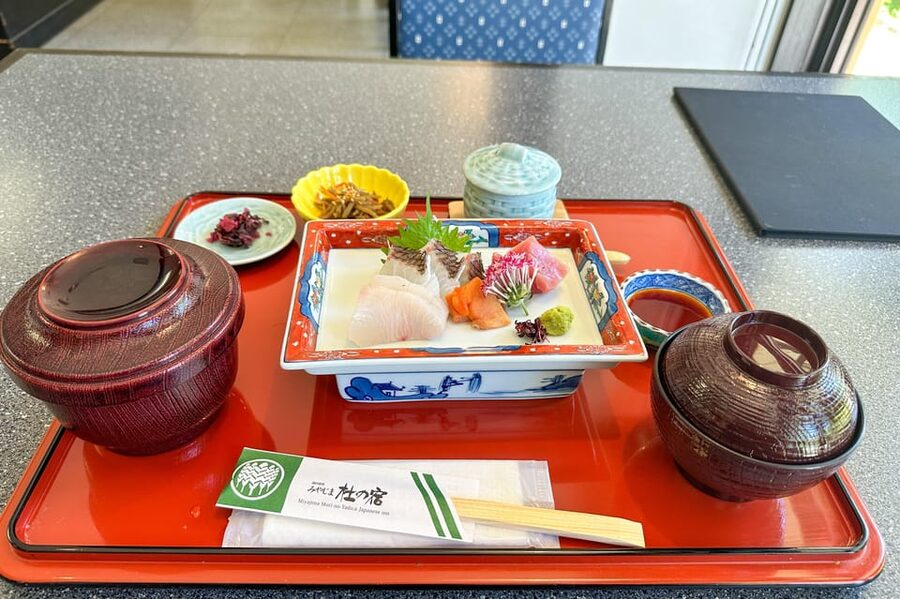
The planned visit is followed by lunch using ingredients from Hiroshima Prefecture. Fresh oysters are the signature taste here, and several guides have served them in memorable forms, including grilled oysters with butter and soy. Other local treats include fried momiji dumplings, a sweet shaped like the island’s maple leaf, and possibly ice cream or a lemon drink depending on the meal arrangements.
The food is one of the strongest parts of the experience because it turns local culture into something you can taste. You also get help with Japanese dining customs. One participant particularly valued learning how to eat and finish a meal correctly while dining with the guide.
There are limits. Vegetarian and vegan meals are available but limited. The operator cannot guarantee an allergy-free meal because the food is prepared in kitchens it does not control, and substitutions may not always be possible. Gluten intolerance is specifically listed as unsuitable for this tour. If food restrictions are central to your decision, contact the provider before booking rather than hoping the restaurant can adjust the menu.
Restaurant service can also run late. Staff shortages in Japan’s food industry may extend the day beyond the planned schedule, so avoid booking a tight connection immediately afterward.
More Walking Tours in Hiroshima
- Hiroshima City 4hr Private Walking Tour with Licensed Guide
★ 5.0 · 437 reviews - Hiroshima Walking Tour Why A Bomb was dropped to Hiroshima
★ 5.0 · 347 reviews - Hiroshima: History of Hiroshima Group Walking Tour
★ 4.8 · 266 reviews - Hiroshima: Food and Culture Guided Walking Tour with Dinner
★ 4.9 · 212 reviews
Daisho-in, Miyajima’s Spiritual Climb
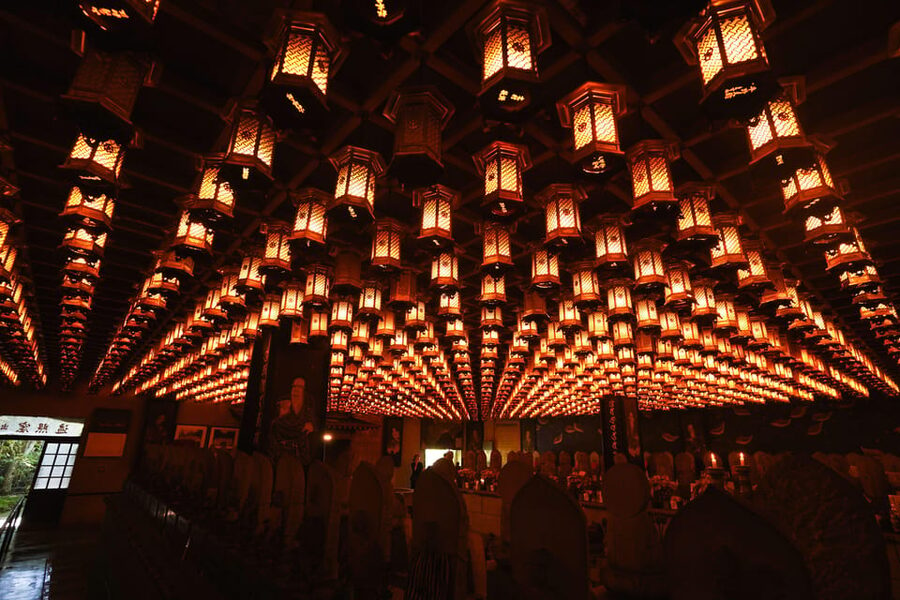
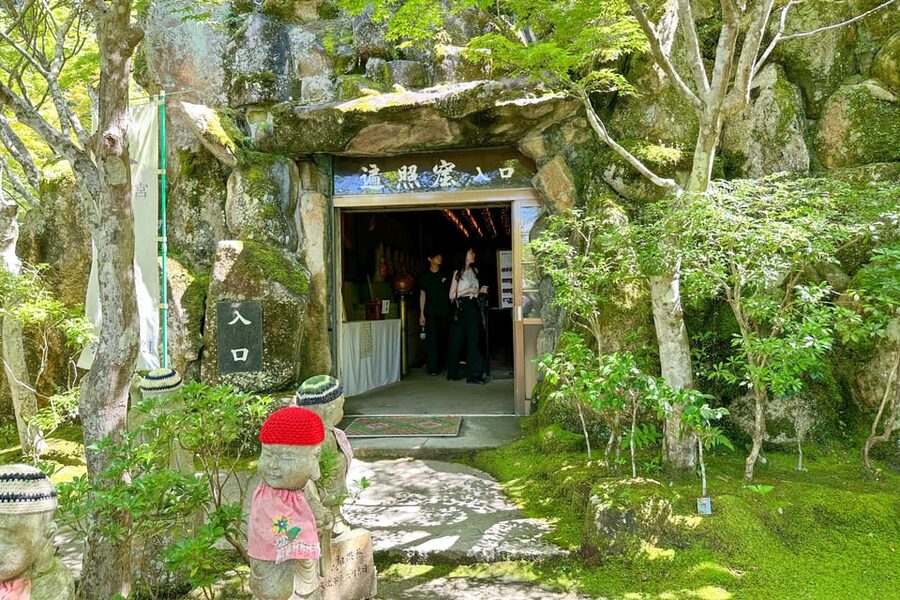
Daisho-in receives about an hour, making it the most substantial temple visit of the day. It is described as Miyajima’s oldest temple, with roughly 1,200 years of history, and it offers a different feeling from the grand, water-facing shrine.
The route reaches Daisho-in by a picturesque mountain path. You should expect steps, slopes, and uneven ground. The setting grows quieter as you move away from the waterfront, with forest, gardens, temple buildings, and many statues creating a more reflective stop.
Your guide explains the temple’s past and how religious practice on Miyajima changed over time. This is also a useful place to ask about the connection between Buddhist and Shinto traditions, which often overlap in Japanese history even though they are distinct faiths.
Daisho-in is where the tour’s small size becomes especially useful. A group of six or seven can pause without creating the stop-and-start feel of a large coach tour. Guides such as Shun and Hika have been praised for answering questions about religion, culture, and daily life without rushing people through the complex.
The walk is not suitable for everyone. People with back or heart problems, low fitness, high blood pressure, or mobility concerns should think carefully before booking. Several parts of the route are not accessible to wheelchairs or strollers.
Momijidani, Senjokaku Pavilion, and the Wider Island
The 10-minute stop at Momijidani offers a brief change of pace among trees and mountain scenery. It is not a long nature walk, but it helps you see why Miyajima is not just a coastal shrine destination. In autumn, the maple setting is especially fitting, while spring can bring cherry blossoms. One spring visit was made memorable by full bloom.
Senjokaku Pavilion receives about 20 minutes. Its name refers to a hall large enough, in traditional description, to hold a thousand tatami mats. The pavilion adds another layer to the island’s religious and architectural story, and its position gives you a different way to read the relationship between buildings, trees, and the bay.
The route also includes an hour at a less obvious location. The exact character of this stop can vary, but the purpose is clear: to move beyond the most photographed sights and show you more of the island’s traditional spaces, crafts, gardens, or local life.
That extra time is valuable if you are visiting Miyajima for the first time. On your own, it is easy to follow the main shopping street between the ferry and shrine, eat a snack, take photographs, and leave without understanding much about the island. The guide’s route gives you a fuller picture, though it also means less free time for shopping or a spontaneous climb.
Tea, Coffee, and the Souvenir Street Finish
Near the end, you stop for tea or coffee in a calm setting close to the island’s forests. This is a welcome pause after several hours on foot. It gives you time to ask final questions, sort through the day’s impressions, and enjoy the natural setting without another major site demanding your attention.
The tour finishes on a souvenir shop street before returning to Miyajimaguchi. You may want extra time afterward for snacks, gifts, or another look at the food stalls, but that free time is not part of the organized experience.
The guide takes photos during the day, which is a practical bonus for solo visitors and couples who do not want to keep asking strangers to take pictures. Previous guides have taken a large number of photos for individual participants, including one day when 88 pictures were provided.
How Much Value Does $106 Offer?
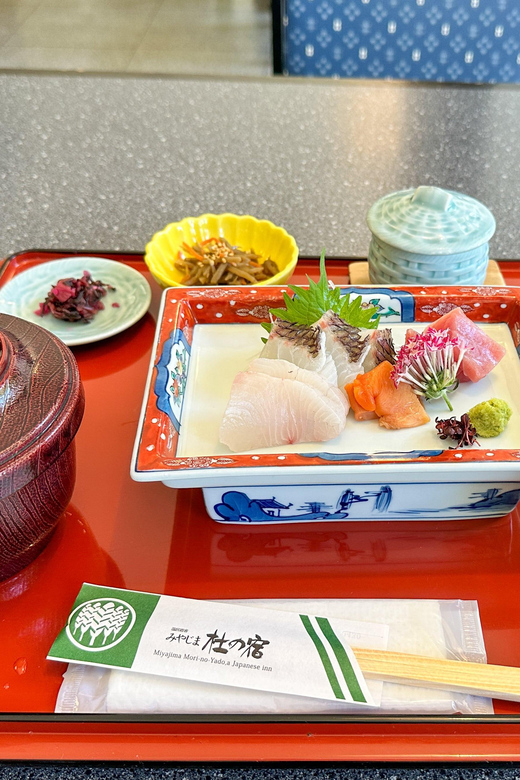
At $106 per person, this is a premium half-day outing rather than a bargain walk. The 330-minute duration is substantial, and the price includes an English-speaking local guide, shrine, temple, and museum admissions, local lunch, and tour photos.
You still pay for the ferry and any extra food or drinks. The conflicting ferry amounts mean you should carry cash and check the current charge. Oysters, sweets, and drinks beyond the included meal can also push up your spending.
I would see the value in the tour if you want structure and cultural explanation. You are paying for more than directions to the O-Torii. You receive help with transport, a meal, religious context, local stories, and a route that includes Daisho-in and less obvious places.
If you are comfortable navigating Japan, reading signs, choosing your own restaurant, and researching the shrine beforehand, you could visit more cheaply on your own. The organized tour makes the most sense when your Hiroshima schedule is short or when you want to understand what you are seeing rather than simply photograph it.
The Guides Make the Difference
The experience depends heavily on who leads your group. The strongest pattern across the feedback is not just factual information, but warmth and flexibility.
Yuji is repeatedly praised for excellent English, helpful stories, good food choices, and a relaxed pace. Eri is described as energetic, attentive, and well informed about Miyajima, Hiroshima, Japanese history, and culture. Kiki receives praise for her enthusiasm and for making lunch and tea feel special.
Shun, Hika, Kaz, Hikaru, Tommy, Rio, and Shunsuke are also singled out for kindness, cultural explanations, and willingness to answer questions. That range suggests the company has several strong guides, but you generally cannot select a particular person when booking. The quality of your day may therefore vary in personality, even though the main route remains similar.
The small group limit helps. Some departures may feel almost private if only a few people book, while a full group still remains manageable. That format suits you if you like conversation and questions. It is less ideal if you want to wander alone or set your own pace at every stop.
What to Bring and Who Should Book
Wear shoes that can handle a long walk, slopes, and potentially muddy ground after rain. Summer in Japan can be hot and humid, so bring water and a hat. A light rain layer is sensible, though the tour information does not promise any particular weather arrangements.
You should also bring cash for the ferry, plus snacks and drinks. The included lunch covers the main meal, but Miyajima’s food stops are tempting, and you may want extra oysters, momiji dumplings, or a drink.
This tour suits:
- First-time visitors to Miyajima
- People with only one day or part of a day in Hiroshima
- Solo visitors who want company and photos
- Food lovers interested in oysters and local sweets
- Anyone curious about Shinto, Buddhism, and Japanese daily life
- People who prefer a small English-speaking group to a large bus tour
It is a poor fit if you have significant mobility limits, a low fitness level, serious food allergies, gluten intolerance, or a strong tendency toward seasickness. Babies under one year are also not suitable for this activity.
Cancellation is free up to 24 hours before the start, and you can reserve now and pay later. Those policies give you some flexibility, but they do not remove the need to check tide timing, weather, food restrictions, and your onward transport.
Should You Book This Miyajima Walk?
I would book it if you want Miyajima explained as a living religious island, not just a famous gate beside the sea. The best parts are the small group, the excellent guide reports, the included local meal, and the contrast between Itsukushima Shrine and the quieter Daisho-in complex.
I would skip it if you prefer an unplanned day, need a fully accessible route, or cannot manage the food limitations. For most reasonably fit visitors staying in Hiroshima, though, $106 buys a well-organized introduction to the island, with enough time for major sights, local flavors, and stories that make the buildings mean more.
FAQ
How long does the Miyajima walking tour last?
The tour lasts 330 minutes, or five and a half hours. Food service delays may make the day run longer than scheduled.
Where is the meeting point?
Meet in front of the coin-operated lockers outside JR Miyajimaguchi Station. The guide will hold a MagicalTrip board.
How do I reach the meeting point from Hiroshima?
From JR Hiroshima Station, take the JR Sanyo Line to JR Miyajimaguchi Station. The journey takes about 30 minutes.
Is the ferry included in the price?
No. You must pay the ferry fare separately in cash. The supplied fare information lists both JP¥360 and JP¥500, so confirm the current amount before departure.
Is lunch included?
Yes. A local lunch using ingredients from Hiroshima Prefecture is included. Extra food and drinks are not included.
Are vegetarian or vegan meals available?
Vegetarian and vegan options are available but limited. Allergy-free meals and all dietary substitutions cannot be guaranteed, so contact the provider before booking if you have strict requirements.
Is the tour suitable for wheelchair or stroller users?
No, not for the complete route. Some locations are inaccessible to wheelchairs and strollers, and the walk includes mountain paths and uneven areas.
More Miyajima Island Tours
- Peaceful Hiroshima & Miyajima UNESCO 1 Day Bus Tour
★ 5.0 · 5,309 reviews - Hiroshima: Hiroshima and Miyajima UNESCO Sites 1-Day Tour
★ 4.9 · 2,330 reviews - Hiroshima / Miyajima Full-day Private Tour with Government Licensed Guide
★ 5.0 · 1,298 reviews - From Hiroshima: Hiroshima & Miyajima 1 Day Tour with Lunch
★ 4.7 · 395 reviews
Just added around Hiroshima
- Hiroshima & Miyajima: Private Full-Day Tour with a Local Guide★ 5.0 · 39 reviews
- Hiroshima and Miyajima 1 Day Walking Tour★ 5.0 · 43 reviews
- Hiroshima History Tour : A-Bomb Dome, Peace Memorial & City★ 5.0 · 43 reviews
- The Journey of Hiroshima from Tragedy to Peace★ 4.8 · 44 reviews
- Cultural Activities :Kimono, tea ceremony, Calligraphy and Amulet★ 5.0 · 44 reviews
- Miyajima: Private Rickshaw Tour to Itsukushima Shrine★ 4.9 · 45 reviews
- Hiroshima Private Tour: Best Highlights in a Day★ 5.0 · 49 reviews
- Hiroshima & Miyajima All-Inclusive Tour w/Licensed guide Pancho★ 5.0 · 54 reviews
Miyajima Island Tours, compared.
Peaceful Hiroshima & Miyajima UNESCO 1 Day Bus Tour
Read our review →
Hiroshima and Miyajima UNESCO Sites 1-Day Tour
Read our review →
Hiroshima / Miyajima Full-day Private Tour with Government Licensed Guide
Read our review →
Osaka/Kyoto: Hiroshima Miyajima Bus Tour & Shinkansen Ticket
Read our review →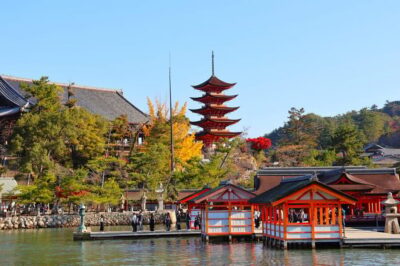
Hiroshima and Miyajima Day Trip with Itsukushima Shrine & Ferry
Read our review →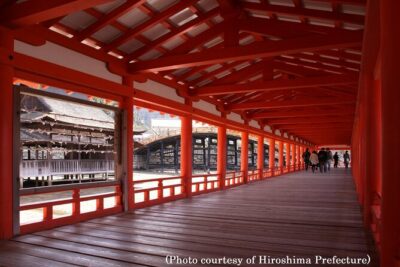
Full Day Hiroshima and Miyajima Bus Tour from Hiroshima
Read our review →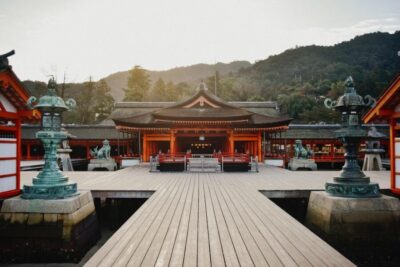
Miyajima Peace Memorial Icons of Peace and Beauty
Read our review →Browse the lists this tour appears in