
Reviewed · SAMURAI & NINJA EXPERIENCES
Knife Making Experience in Samurai Sword Town
Make a blade with a 50-year master. This five-hour private experience in Seki, Gifu, gives you far more than a quick craft lesson. You polish, sharpen, engrave, and assemble your own Damascus kitchen knife, then test it on fresh vegetables. I especially like the small-group attention and the way the day connects modern kitchen tools with Seki’s samurai sword tradition.
The visit also includes the Knife Museum, Seki Swordsmith Museum, Gifu Cutlery Hall, lunch, a signed certificate, and a limited-time mini knife souvenir. The main drawback is the price: at $316.27 per person, this is a serious splurge, and the roughly five-hour schedule may feel long if you only want to buy a knife rather than make one.
Still, the personal instruction matters here. Sumio, Yoshi, and Hiro are praised for clear teaching, humor, and close guidance, while the two brothers associated with the workshop are noted for their passion for the craft. If you are interested in knives, Japanese history, or hands-on activities, this is one of the more distinctive day experiences you can book in Gifu.
In This Review
- Key things to know before booking
- Why Seki is the right place to make a Japanese knife
- Starting at the Knife Museum with two hours of hands-on work
- The Seki Swordsmith Museum puts the knife in context
- Gifu Cutlery Hall shows Seki’s modern trade
- Seki Zenko-ji Temple adds a quieter final stop
- What you take home from the workshop
- Is $316.27 a fair price?
- Getting to Seki from Kyoto and planning the day
- Who will enjoy this experience most?
- Should you book the Seki knife-making experience?
- FAQ
- Where does the experience begin?
- What time does the experience start?
- Where does the experience end?
- How long does the experience last?
- What kind of knife will I make?
- What steps are included in the knife-making activity?
- Who leads the knife-making workshop?
- What museums and sites are included?
- Is lunch included?
- Is cancellation free?
Key things to know before booking
- Your finished knife is a real Damascus kitchen knife: You work on polishing, sharpening, engraving, and assembly before testing the edge on vegetables.
- A master bladesmith leads the workshop: The instructor has more than 50 years of experience, giving the practical work a strong connection to Seki’s long blade-making tradition.
- The day includes four very different stops: You move from hands-on knife work to sword history, modern cutlery, and a historic Zenko-ji temple.
- The experience is private: Only your group participates, which allows for individual help during the knife-making stages.
- You receive more than the knife: Lunch, a signed completion certificate, and a limited-time handcrafted mini knife are included in the experience description.
- Seki is possible as a Kyoto day trip: The journey takes roughly 1.5 to 2 hours by train from Kyoto, so you need to plan your transport carefully.
Why Seki is the right place to make a Japanese knife
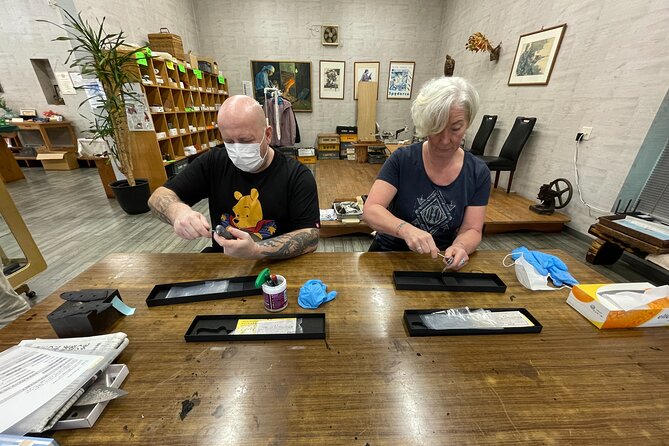
Seki City has been a major center for sword making since the 13th century. Its location in Gifu Prefecture helped build a long tradition of blades, and that skill later carried into kitchen knives and other cutlery.
That background gives this experience more weight than a generic craft class. You are not simply decorating a souvenir. You are working in a city known for blade production, then seeing how the same traditions appear in museums and shops.
Seki is also one of the world’s three cutlery-producing regions, with the highest cutlery production volume in Japan. The figure helps explain why the city is worth visiting for anyone who cares about knives. You can see the link between old sword-making methods and the practical tools used in Japanese kitchens today.
I like that the day does not treat the knife as an isolated object. The museums and cutlery hall give you context before or after the workshop, so you can better understand why sharpening, polishing, and a careful finish matter.
More Samurai & Ninja Experiences in Takayama
- Ninja Experience in Takayama – Basic Course
★ 5.0 · 62 reviews - Seki: Samurai Knife Making Experience at the Knife Museum
★ 5.0 · 61 reviews - Ninja Experience in Takayama – Basic Course
★ 4.6 · 59 reviews
Starting at the Knife Museum with two hours of hands-on work
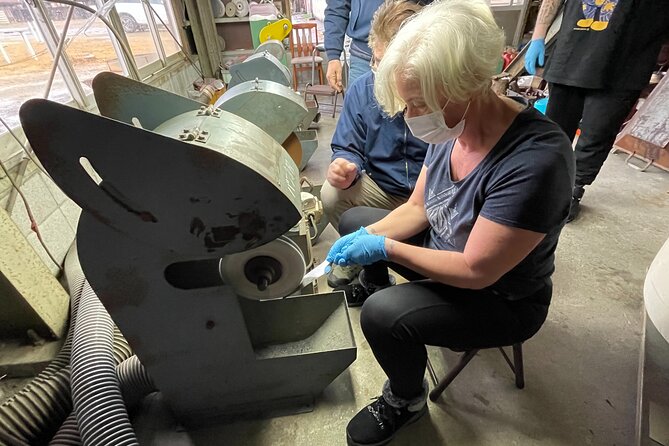
The Knife Museum is the main event. You have about two hours there, including admission and the knife-making activity.
The museum displays several kinds of rare and unusual knives from around the world. That display gives you a useful visual introduction before you begin. You can compare different blade shapes and styles, then focus on the knife in front of you.
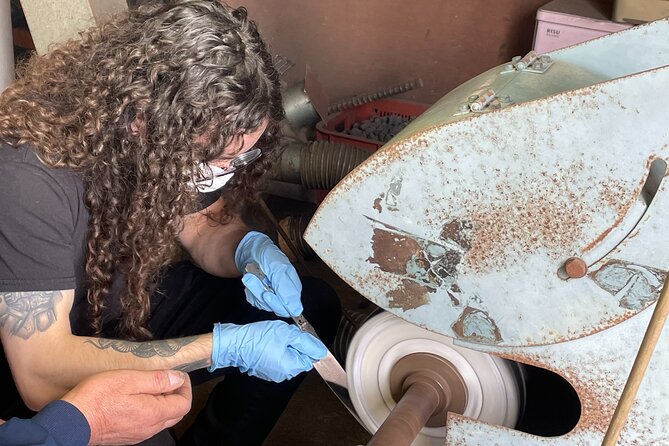
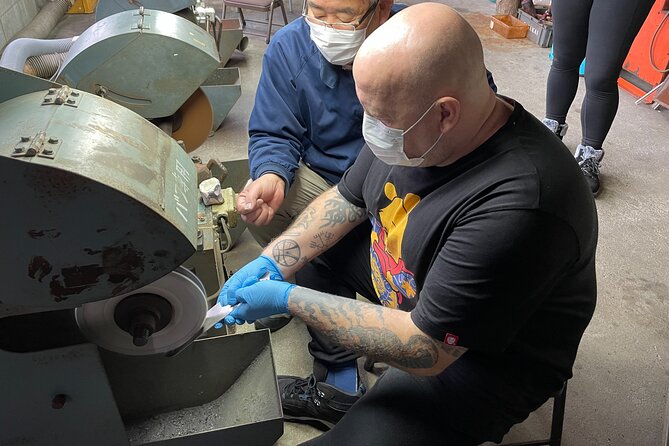
The workshop centers on a professional Damascus kitchen knife. Damascus steel is known for its patterned appearance, but the important point here is that you take part in the finishing work. You sharpen the blade, polish it, engrave it, and assemble it. These are not just demonstrations from a distance.
The instructor’s role is especially important during this part. The workshop is led by a master bladesmith with more than 50 years of experience, and the private format means your group can receive direct help. Sumio, Yoshi, and Hiro are also praised for clear instruction and a friendly sense of humor, which can make a technical activity feel less intimidating.
You then test the knife’s sharpness on fresh vegetables. That final step gives the activity a satisfying purpose. You are not left wondering if the blade is merely decorative. You get to see how your work affects the knife’s performance.
The experience is not presented as a full forging class. The supplied details focus on finishing, sharpening, engraving, and assembly rather than heating and shaping raw steel. If you specifically want to forge a blade from a glowing billet, you should keep that distinction in mind.
The Seki Swordsmith Museum puts the knife in context
The next stop is the Seki Swordsmith Museum, with about one hour devoted to samurai and Japanese sword history.
This visit changes the pace after the workshop. Instead of working with a kitchen knife, you learn about the sword-making traditions that shaped Seki’s identity. The city’s blade production dates back to the 13th century, so the museum helps connect your new knife with a much older local craft.
I find this part valuable because it explains why Seki is called a samurai sword town. Without the museum, the workshop could feel like a modern shopping activity. With it, you see the broader story of how sword skills and traditions continued into cutlery production.
The museum stop may be less exciting for someone who has no interest in swords. It also gives you less physical participation than the Knife Museum. Still, the one-hour length keeps it from taking over the day, and the historical background adds meaning to the object you are making.
Gifu Cutlery Hall shows Seki’s modern trade
The Gifu Cutlery Hall is a shorter stop of about 30 minutes, and admission is free.
This is the practical counterpoint to the sword museum. Seki is not only a place remembered for historic blades. It remains a major cutlery-producing area, and the hall gives you a chance to see that modern side.
The short visit suits the overall schedule. You can look at Seki’s cutlery production without spending another full hour in a museum. If you are interested in comparing knives or considering an additional purchase, this may be the point where you pay closest attention.
The limitation is simple: 30 minutes is not much time. You should not expect a long guided study of every product or technique. Think of it as a compact stop that reinforces what you have already seen during the workshop and at the sword museum.
A completely different kind of day out in Takayama:
- Kanazawa: World Heritage Shirakawa-go Morning Guided Tour
★ 4.9 · 988 reviews - Kanazawa: World Heritage Shirakawa-go & Two Local Experience
★ 4.9 · 274 reviews - Kanazawa/Takayama: Shirakawago & Takayama Private Day Tour
★ 4.8 · 172 reviews - Departing from Takayama [Regular sightseeing bus] World Heritage Sites Shirakawago and Gokayama Ainokura
★ 4.5 · 137 reviews
Seki Zenko-ji Temple adds a quieter final stop
The final listed stop is Seki Zenko-ji Temple, with about 1 hour and 30 minutes.
The temple’s foundation dates to the mid-18th century. Its Great Bell and the tour of the Kaidan are noted features, and you can try ringing the bell. After several hours focused on metal, tools, and museum displays, the temple offers a change of mood.
I like this inclusion because it prevents the day from becoming a single-subject tour. You see a different part of Seki’s religious and cultural life, not only its commercial craft. The temple also gives the schedule a slower finish.
The longer 90-minute allocation may be more than you need if you are mainly visiting for knife making. On the other hand, anyone who enjoys Japanese temples and traditional sites will appreciate having time here rather than being rushed through a ten-minute photo stop.
What you take home from the workshop
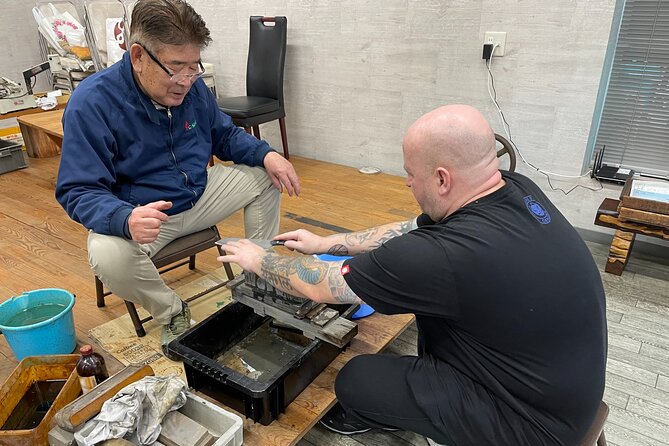
The main souvenir is the Damascus kitchen knife you finish yourself. Because you sharpen, polish, engrave, and assemble it, the blade has a personal connection that a shop-bought knife cannot provide.
The engraving is another important touch. It turns the knife into a personal object rather than a standard product. The provided information does not specify the engraving choices or how much text you can add, so you should ask the operator for those details before booking if personalization is your main reason for coming.
The experience also includes a signed certificate of completion. That is a small item, but it helps mark the activity as a formal craft experience.
A handcrafted mini knife souvenir is offered as a limited-time bonus. Since availability is limited, you should not treat it as guaranteed in the same way as the main knife. The lunch is another included feature, giving you a break during the half-day schedule and adding value to the price.
Is $316.27 a fair price?
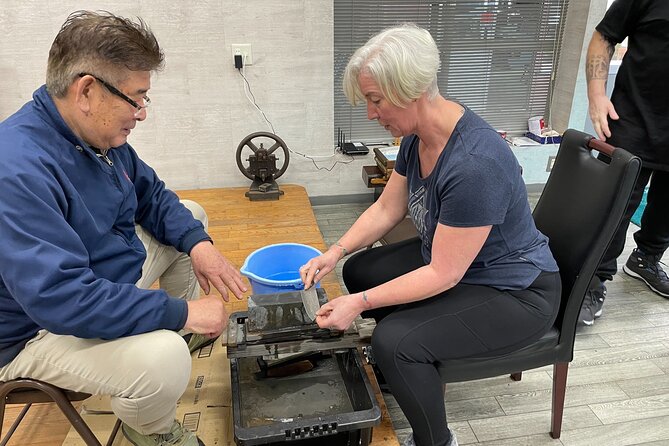
At $316.27 per person, this is not a budget activity. The value depends on how you measure the day.
If you only want a Japanese kitchen knife, you can likely spend less by buying one at a cutlery hall or specialist shop. This experience is priced for instruction, personal attention, museum access, lunch, the finished knife, and the cultural setting. You are paying for the process as much as the object.
The private format helps justify the cost. Only your group participates, so you are not sharing the workshop with a large public class. That matters when you are handling a sharp blade and need the instructor to watch your technique.
The five-hour duration also makes the price easier to understand. You get a substantial workshop plus three additional stops, rather than a brief demonstration followed by a shop visit. The signed certificate and possible mini knife add value, though the mini knife is limited-time and should not be the main reason you book.
I would call it good value for a knife enthusiast, samurai fan, or anyone who values a personal cultural activity. I would call it poor value for a casual shopper who simply wants an inexpensive souvenir.
Getting to Seki from Kyoto and planning the day
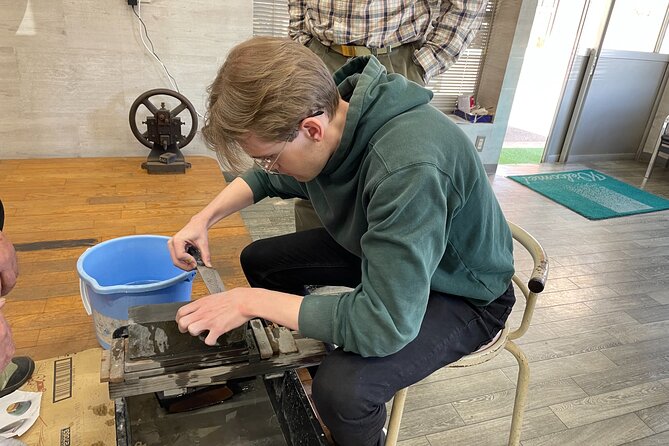
The meeting point is Sekitomioka Station in Seki, Gifu, and the activity begins at 10:30 a.m. It ends back at the meeting point.
The experience can be reached as a day trip from Kyoto, with the journey taking roughly 1.5 to 2 hours by train. That makes the start time important. You should allow enough room for transfers and possible delays instead of planning a tight arrival.
Pickup is offered, but the supplied details do not explain the pickup area or whether it replaces the station meeting point. Confirm that detail before booking if you need pickup.
A mobile ticket is available, and booking confirmation is provided at the time of reservation. The activity is near public transportation, and most people can participate. Since the day involves handling tools and a sharp blade, anyone with specific physical concerns should ask the provider for current guidance before reserving.
Free cancellation is available if you cancel at least 24 hours before the local start time. Changes or cancellations within 24 hours are not accepted for a refund.
Who will enjoy this experience most?
I would recommend it first to people who already enjoy cooking, kitchen tools, Japanese swords, or traditional handcrafts. The activity rewards curiosity. You get more from it if you want to understand how a blade is finished, not just pose with one.
It also suits couples, families with older children, and small private groups looking for something different from the standard Kyoto and Tokyo route. The private format can make the day feel personal, and the instructors’ humor helps keep the technical work approachable.
It may not suit someone who wants a fast activity near a major city center. Seki requires a train journey, the full program lasts about five hours, and the museum and temple stops may feel secondary if your only goal is to make a knife.
The tour is also not the right pick if you expect to forge the entire blade from raw metal. The described work involves finishing a Damascus kitchen knife through polishing, sharpening, engraving, and assembly.
Should you book the Seki knife-making experience?
Book it if you want a genuine connection to Seki’s blade-making tradition and like the idea of using a tool you helped finish. The strongest reasons are the master-led instruction, private group setting, museum visits, and the chance to test your own knife on vegetables.
Think carefully about the cost and the travel time from Kyoto. If those are acceptable, this is a special choice for a Japan itinerary because it combines craft, history, local industry, food, and a useful souvenir in one day.
I would book it for an enthusiast or for someone marking a special occasion. I would skip it for a simple shopping trip and spend the money on a knife selected from Seki’s cutlery shops instead.
FAQ
Where does the experience begin?
It begins at Sekitomioka Station in Hidase, Seki, Gifu, Japan.
What time does the experience start?
The start time is 10:30 a.m.
Where does the experience end?
It ends back at the meeting point, Sekitomioka Station.
How long does the experience last?
The experience lasts approximately five hours.
What kind of knife will I make?
You will make your own professional Damascus kitchen knife.
What steps are included in the knife-making activity?
The activity includes polishing, sharpening, engraving, and assembly. You can also test the finished blade on fresh vegetables.
Who leads the knife-making workshop?
The workshop is led by a master bladesmith with more than 50 years of experience. Sumio, Yoshi, and Hiro are also associated with the instruction and hosting.
What museums and sites are included?
The day includes the Knife Museum, Seki Swordsmith Museum, Gifu Cutlery Hall, and Seki Zenko-ji Temple.
Is lunch included?
Yes. The experience description includes a Japanese lunch.
Is cancellation free?
Yes, you can cancel for a full refund if you cancel at least 24 hours before the experience’s start time. Cancellations or changes made less than 24 hours before the start are not accepted for a refund.
More Craft Workshops
- Tokyo Shinjuku Chopsticks Making Class
★ 5.0 · 1,763 reviews - Kyoto : Chopsticks Making Workshop in Gion with Engraving Option
★ 5.0 · 958 reviews - Kintsugi Experience: Art of Golden Joinery in Tokyo
★ 5.0 · 467 reviews - Authentic knife making experience at a blacksmith in Kyoto
★ 4.8 · 350 reviews
Just added around Takayama
- Magome & Tsumago Nakasendo Trail Day Hike with Government-Licensed Guide★ 5.0 · 38 reviews
- Japanese Cooking Class with Local Family in Takayama Old Town★ 5.0 · 40 reviews
- From Takayama: Shinhotaka Ropeway and Kamikochi tour★ 4.8 · 42 reviews
- Shuriken Experience in Takayama★ 5.0 · 46 reviews
- Shirakawa-go UNESCO Half-Day Tour from Takayama★ 4.6 · 47 reviews
- Hida Takayama, Shirakawa-go+Observatory|Day Trip from Nagoya★ 4.3 · 47 reviews
- Takayama Old Town Walking Tour with Local Guide★ 4.5 · 50 reviews
- Private group Local Food Tour in Takayama★ 5.0 · 59 reviews
Samurai & Ninja Experiences, compared.

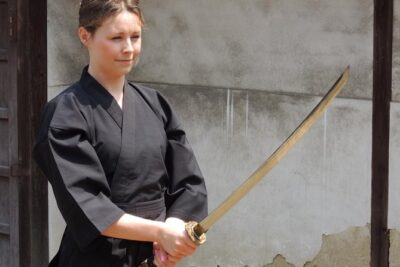
Samurai Ninja Museum Guided tour and Experience
Read our review →
Kendo and Samurai Experience with Uniform and Gear
Read our review →
Samurai Sword Class by Experts in Traditional Arts
Read our review →
Skip the lines Basic Ticket at SAMURAI NINJA MUSEUM KYOTO
Read our review →
Samurai Sword & Archery Class from Samurai Descendant
Read our review →
Browse the lists this tour appears in