
Reviewed · WORKSHOPS
Kyoto: Make Your Own “Daruma” Craft & Painting Workshop
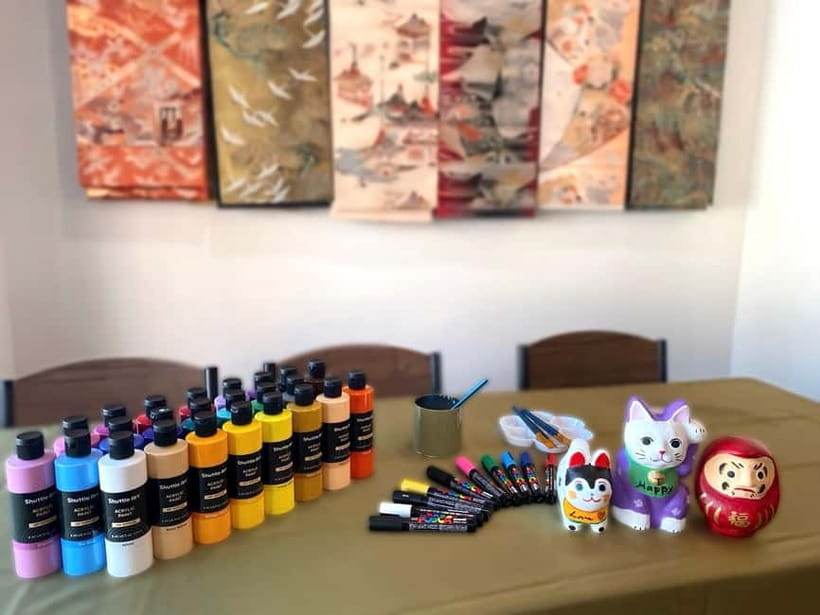
Slow down and make something by hand. This two-hour Kyoto workshop gives you a cheerful break from temple-hopping, with a papier-mâché Daruma, lucky cat, dog, or fox to paint in your own style. I like the small four-person limit, which keeps the session personal, and the complimentary drink and Japanese sweet, which turn a simple craft class into a pleasant cultural outing. The main consideration is that this is a painting workshop, not a full lesson in making papier mâché from raw materials.
The newly renovated boutique shop sits in central Kyoto, close to historically important temples and shrines. Host May, also written as Mei in one account, lets you work at your own pace while offering help when you want it. If rain threatens, protect your finished piece: the paint is acrylic and may need wrapping before you carry it outside.
In This Review
- Key points to know before you book
- What the two-hour Kyoto workshop is really like
- Picking a Daruma, cat, dog, or Kitsune
- Painting your own Kyoto souvenir
- Tea, sweets, and the human side of the class
- Why this makes a good break from Kyoto’s temples
- Is $25 a good value?
- Who will enjoy this most?
- Small details that can improve your visit
- My verdict: should you book it?
- FAQ
- How long does the Kyoto Daruma painting workshop last?
- How much does the activity cost?
- Which figures can I paint?
- Do I need previous art experience?
- Is anything included with the workshop?
- Is the workshop suitable for children and wheelchair users?
Key points to know before you book
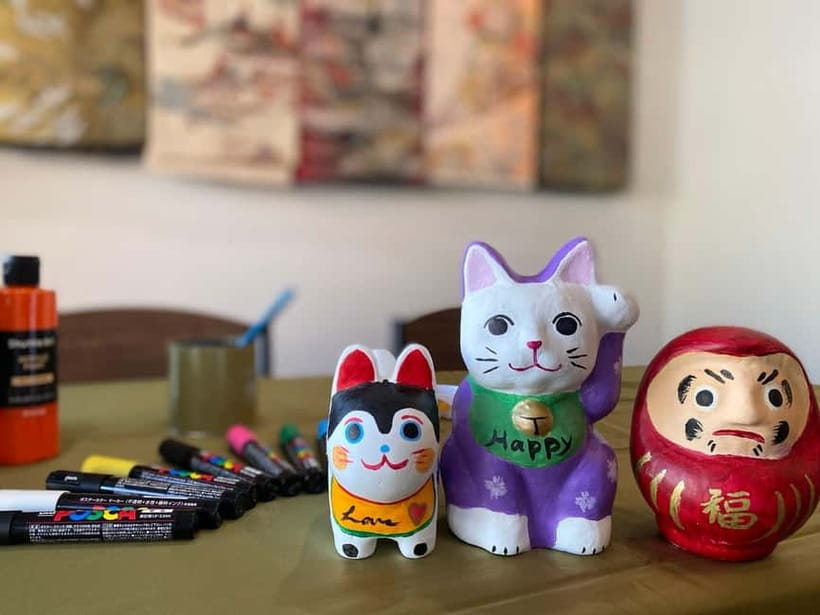
- Choose your own traditional figure: Paint a Daruma, beckoning cat, dog, or Kitsune fox in a personal design.
- Small groups feel genuinely personal: With a maximum of four people, you get room to ask questions without feeling watched.
- Tea and a Japanese confectionery are included: Pick a traditional sweet and enjoy it during the session.
- English guidance is available: The local craft master can explain the activity and the symbolism behind each figure.
- A good rainy-day plan: The relaxed indoor setting works well when Kyoto’s temples and gardens are wet.
- You take home your own work: The finished piece is both a souvenir and a reminder of time spent making something yourself.
What the two-hour Kyoto workshop is really like
This activity is best understood as a quiet creative stop, not a fast sightseeing tour. You arrive at the workshop, enter the shop, and meet your host inside. The instructions ask you to come in on arrival, so there is no separate street meeting point to find.
The setting is a small craft shop in the heart of Kyoto. It has the feel of a working boutique rather than a large visitor center, which matters if you prefer local contact over a polished, high-volume class. The room is also wheelchair accessible, making it a practical choice for a wider range of visitors.
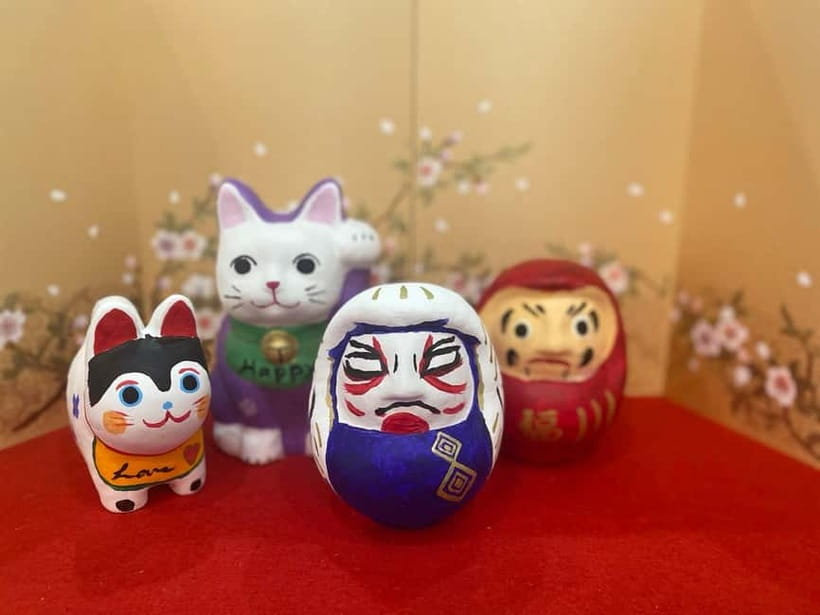
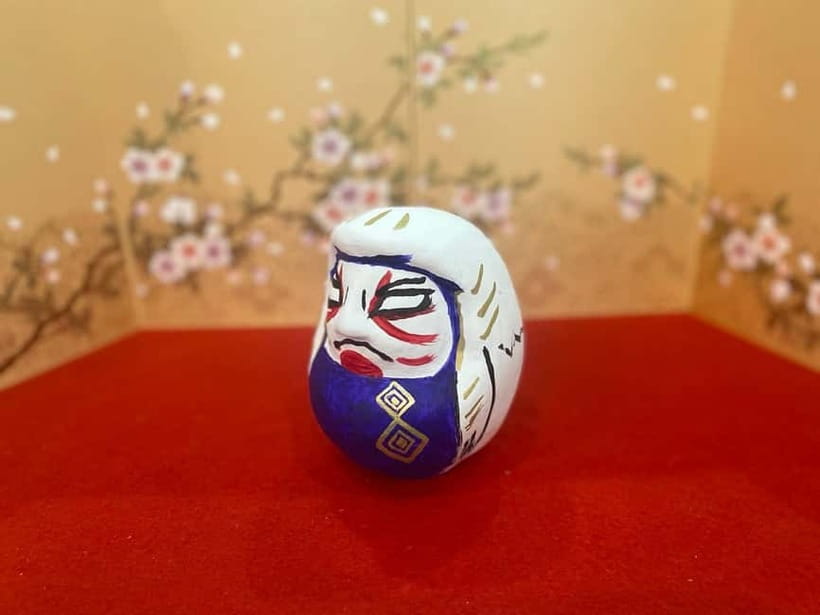
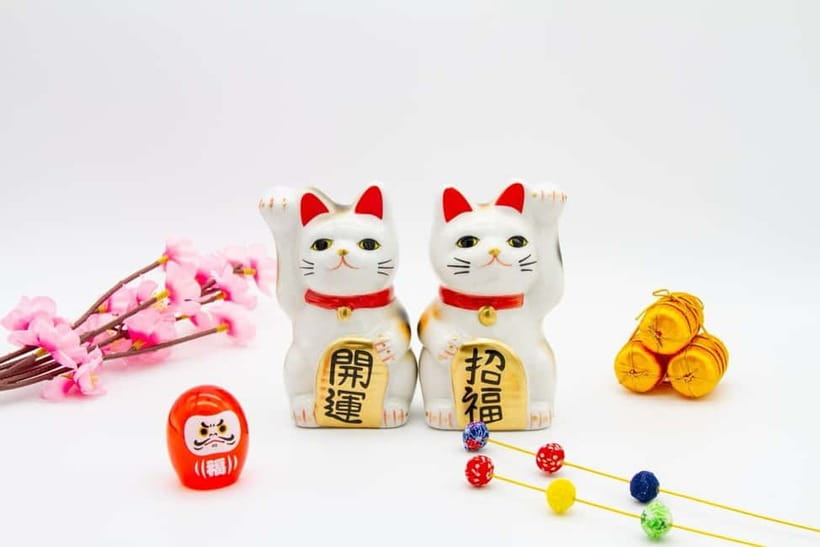
You begin by choosing the figure you want to decorate. The options have different personalities and meanings. A Daruma is linked with determination and reaching a goal. A beckoning cat, often called a lucky cat, is associated with good fortune. The dog and Kitsune fox offer other Japanese-inspired shapes, giving you more freedom than a workshop built around one standard model.
The craft master explains the meaning behind the forms and guides you through the painting. You do not need drawing experience, painting skills, or any previous knowledge of Japanese crafts. That takes pressure off the activity. You are not being graded, and the point is not to produce a perfect museum piece.
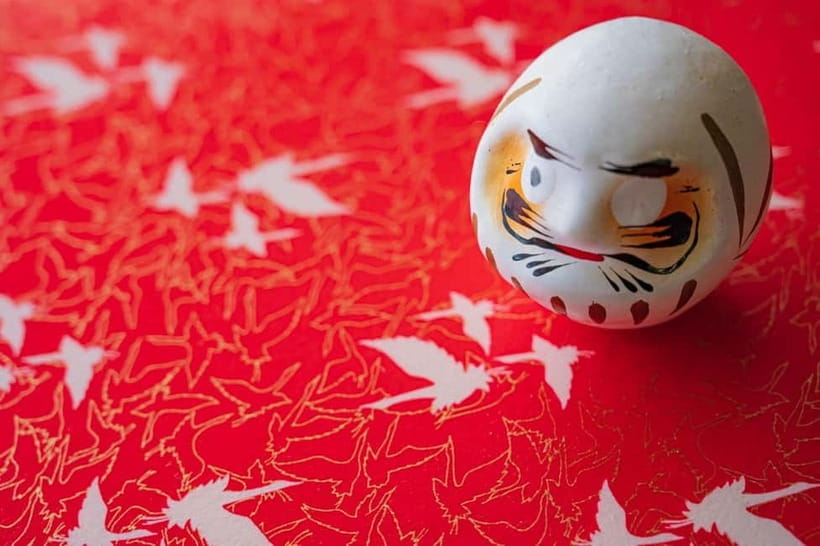
Instead, you get a blank figure and a chance to make decisions. You choose colors, patterns, facial details, and the general mood of your piece. Some people may want a traditional red Daruma with simple features. Others may prefer a bright fox, a playful dog, or a lucky cat with unusual colors. The supplied information does not promise a fixed design, so you should expect room for personal choices.
A few more Kyoto experiences worth weighing up
- Kyoto: 45-Minute Tea Ceremony Lesson Experience
★ 4.3 · 2,378 reviews - Ramen Cooking Class at Ramen Factory in Kyoto
★ 5.0 · 1,937 reviews - Kyoto : Chopsticks Making Workshop in Gion with Engraving Option
★ 5.0 · 958 reviews
Picking a Daruma, cat, dog, or Kitsune
The choice of figure is one of the strongest parts of the experience. A Daruma has a clear connection to Japanese custom, so it suits anyone who wants a souvenir with a little cultural meaning behind it. Its round shape also gives beginners a manageable surface to paint.
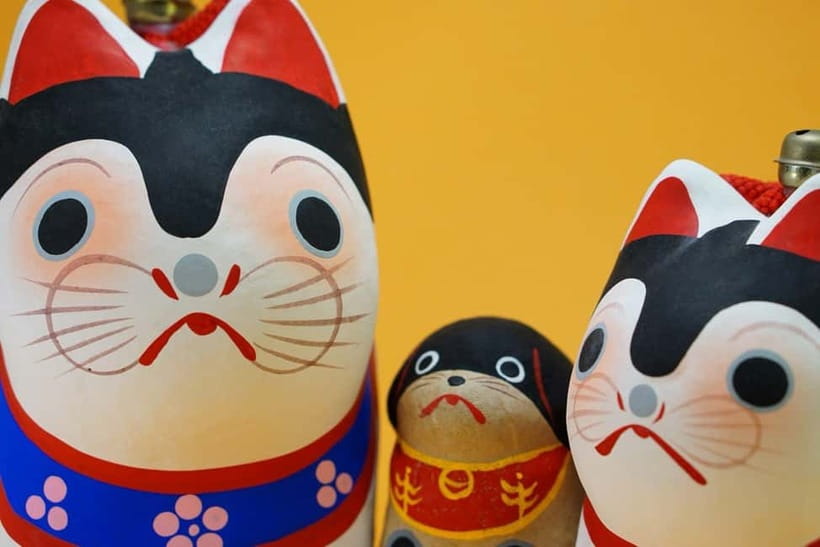
The beckoning cat is an easy choice if you want a familiar symbol of luck. It can also be fun for children, since the shape is immediately recognizable and invites bright colors. The dog and fox figures offer a less expected keepsake and may appeal to anyone who wants something different from the standard Kyoto souvenir.
Your instructor can explain the symbolism, but the activity still leaves you in charge. That balance is important. You receive cultural context without having every brushstroke dictated to you.
Several people have particularly enjoyed the self-directed nature of the class. The host offers suggestions when asked, then gives you space to follow your own idea. If you are nervous about your artistic ability, this is reassuring. You can ask for help with a detail, then carry on privately.
The small group size helps here. A maximum of four participants means the craft master can give personal attention, but the room should still feel calm. A private-feeling session is possible if you book at a quiet time, though the activity is not advertised as a private class.
Painting your own Kyoto souvenir
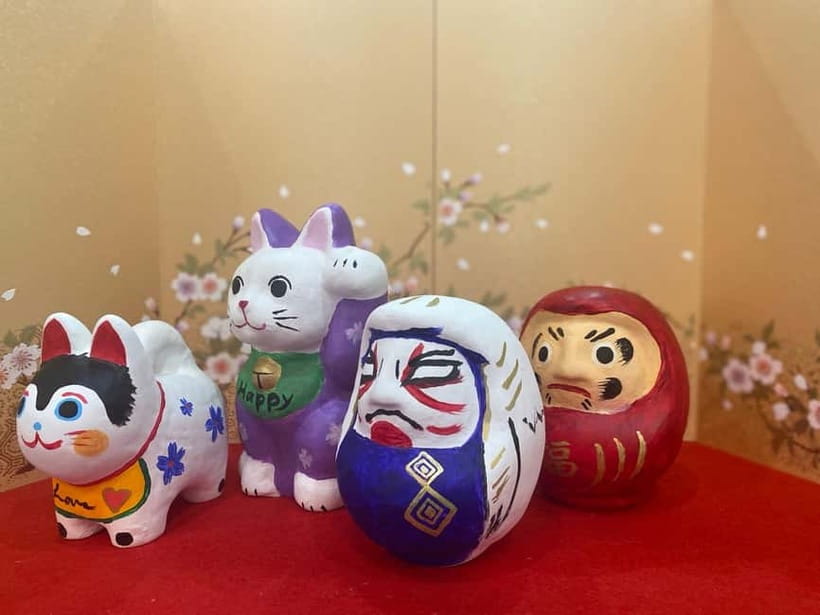
The painting section takes up the heart of the two-hour visit. You receive the necessary materials and work directly on the papier-mâché figure. The activity is suitable for adults and children, so you can book it as a family outing, a couple’s activity, or a solo break from sightseeing.
I would suggest thinking about your design before you arrive, but do not overplan it. A simple color idea is enough. You might choose a favorite color, add a few Japanese-inspired patterns, or create a figure that represents someone at home. The host encourages creativity rather than pushing everyone toward the same result.
The relaxed pace is a real advantage. You are not rushed through several stations, and there is no transport between venues. You can concentrate on the small details, chat with the host, or simply enjoy a quiet afternoon indoors.
One useful practical point comes from the paint itself. A review notes that acrylic paint is used, so rain can be a problem if the piece is not protected. If the forecast is wet, bring or request wrapping for the finished figure before you leave. That is a small issue, but it could save your souvenir from a soggy trip back to your hotel.
The workshop is also a good fit for mixed-age groups. Children can make bold, colorful designs while adults take more time over details. Since no prior skills are needed, you do not have to divide the group into beginners and experts. Everyone works on the same basic activity, at a pace that suits them.
Tea, sweets, and the human side of the class
Each person receives a complimentary drink and a traditional Japanese confectionery of their choice. Several accounts specifically mention tea, including matcha, along with a cookie or other sweet. The treat is not the main reason to book, but it adds a welcome pause while paint dries or while you think about your next design.
The refreshments also make the class feel less like a formal lesson. You have time to talk with the host about the craft, local customs, and the area around the shop. English is the listed teaching language, so international visitors can ask questions and follow the instructions.
The host receives especially warm praise. May is described as kind, patient, welcoming, and encouraging. One particularly useful detail is that she helps when requested without hovering over the table. That is exactly the right approach for a creative activity. You get support when a design problem appears, but you still feel that the finished piece belongs to you.
The workshop’s owner is also an artist and craftsperson. The shop may contain handmade items such as silk kimono creations, handbags, and lacquer boxes. These purchases are not included in the workshop price, and they are not required, but they give you a chance to see more of the maker’s work. If you enjoy small craft businesses, allow a little time to browse.
A completely different kind of day out in Kyoto:
- PERFECT KYOTO 1-Day Bus Tour
★ 5.0 · 13,518 reviews - Kyoto: Fushimi Inari, Kinkakuji, Bamboo Grove 1 Day Bus Tour
★ 4.8 · 4,316 reviews - Kyoto: Tea Ceremony in a Traditional Tea House in Kiyomizu
★ 4.9 · 3,519 reviews - Kyoto Geisha Walking Tour: Gion District & Hidden Gems
★ 4.7 · 3,273 reviews
Why this makes a good break from Kyoto’s temples
Kyoto can fill a day with temples, shrines, gardens, stone paths, and crowds. Those sights matter, but several hours of looking can become tiring. This workshop gives you a different way to connect with Japanese culture: you make a physical object rather than simply photographing one.
The surrounding area includes historically important temples and shrines, so you can pair the workshop with nearby sightseeing. The activity itself does not provide a named temple itinerary or guided temple tour. Think of those sites as a useful addition to your day, not as part of a structured walking route.
That distinction helps you plan. You might visit a shrine or temple before the class, then spend two quieter hours indoors. Or you could paint first and explore nearby afterward, once you have finished with the fixed activity time. Check the workshop’s starting times when booking, since the exact schedule varies.
For a rainy Kyoto day, this plan is especially practical. One family used it as a wet-weather outing, and another visitor noted that the class was a welcome change from more typical sightseeing. The craft shop gives you shelter, but the experience still feels connected to the city through its symbols, sweets, materials, and local host.
Is $25 a good value?
At $25 per person, the workshop is reasonably priced for a two-hour activity that includes materials, instruction, a drink, and a Japanese confectionery. You also leave with a handmade object rather than a mass-produced souvenir.
The value is strongest if you enjoy making things. You are paying for time, attention, and the chance to create a personal design, not just for the raw papier-mâché figure. The local craft master adds cultural explanation and practical guidance, while the four-person cap keeps the session from becoming impersonal.
It is less compelling if you want a detailed traditional craft apprenticeship or a long history lecture. The information provided points to painting and personalization, with a short explanation of symbolism. This is an accessible introduction, not an advanced art course.
The price also compares well with other Kyoto activities that can leave you with only photographs. Here, the souvenir carries the marks of your own visit, including the uneven lines and creative choices that make it yours. That personal connection is the real value.
The reserve-now, pay-later option can help if your Kyoto schedule is still shifting. You can hold a place without paying immediately, and cancellation is free up to 24 hours before the activity for a full refund. Those terms make the booking less risky, though you should still check the exact availability and start time before finalizing your day.
Who will enjoy this most?
I would recommend the class to couples, families, solo visitors, and small groups of friends who want a calm indoor activity. It is especially well suited to:
- Families with children who need a break from formal sightseeing
- Couples looking for a shared souvenir
- Solo visitors who enjoy hands-on cultural activities
- Art beginners who want freedom without pressure
- Repeat visitors seeking something beyond the main temple circuit
- Anyone looking for a rainy-day plan in central Kyoto
It may not suit you if you dislike paint, want a physically active outing, or expect a full tour of Kyoto’s religious sites. The session is seated and creative, with the focus on making one figure.
The accessible venue and English instruction broaden its appeal. Still, if you have a specific mobility requirement, confirm the details at booking, since the available information only states that the workshop is wheelchair accessible.
Small details that can improve your visit
Plan to arrive at the workshop rather than waiting at an outdoor meeting point. Your host is expected to greet you inside.
Give yourself the full two hours. Some people finish quickly, but others want extra time for small details. One participant stayed a little longer to complete the design, and the host allowed it. That kindness may not be guaranteed every time, so do not schedule a tight connection immediately afterward.
If you are visiting with family, let each person choose a different figure. The contrast between a Daruma, fox, dog, and lucky cat makes the activity more interesting and gives everyone a distinct keepsake.
If you are visiting with a partner, consider making complementary designs rather than identical ones. The open-ended format gives you room to create a pair that reflects your trip.
Rainy weather calls for care. Ask for protection around the finished figure, especially if you plan to walk to another sight. Acrylic paint can be vulnerable before it has fully settled.
Finally, take a moment to look around the shop. Handmade bags, kimono-based pieces, and lacquer items may be available for purchase, giving you a chance to support the small business beyond the class. These extra items are separate purchases, so treat them as an optional browse rather than part of the workshop.
My verdict: should you book it?
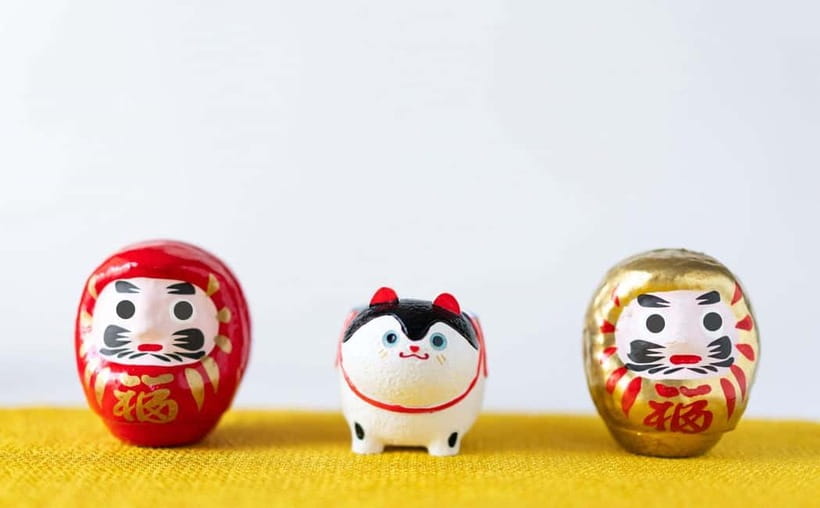
Book this Kyoto Daruma painting workshop if you want a friendly, low-pressure activity with a real souvenir at the end. The small group, patient host, English guidance, included tea and sweet, and choice of figures make it easy to recommend for most ages and skill levels.
I would place it in the middle of a sightseeing day rather than make it the main event. Pair it with nearby temples and shrines, or save it for rain when outdoor plans lose their appeal. Skip it if you want a formal craft lesson or a guided historical tour.
For $25, you get two unhurried hours, creative freedom, local conversation, and an object that carries your own fingerprints in the best possible way. That is a fair deal in Kyoto, and a more personal memory than another souvenir picked up in a station shop.
FAQ
How long does the Kyoto Daruma painting workshop last?
The workshop lasts two hours. Starting times vary, so check availability when choosing your booking.
How much does the activity cost?
The price is $25 per person.
Which figures can I paint?
You can paint a papier-mâché Daruma, beckoning cat, dog, or Kitsune fox. The activity lets you personalize the figure with your own paint design.
Do I need previous art experience?
No. The workshop is suitable for all skill levels, and no prior experience or special skills are required.
Is anything included with the workshop?
Yes. Materials, the papier-mâché activity, guidance from a local craft master, one complimentary drink, and a traditional Japanese confectionery are included.
Is the workshop suitable for children and wheelchair users?
The activity is suitable for all ages, including children, and the workshop is wheelchair accessible. It is an English-language activity with a maximum group size of four participants.
Just added around Kyoto
- Kyoto: Private Customizable Day Trip by Car★ 5.0 · 38 reviews
- Kyoto: Gion Night Walking Tour with Geisha Insight★ 5.0 · 39 reviews
- Kyoto: Full Day Bike Tour★ 4.9 · 39 reviews
- Private Japanese Calligraphy in Kyoto – Learn Shodō with a Master★ 5.0 · 39 reviews
- Kyoto: Gion Evening Walk with Hidden Gems, Geisha & Sake★ 5.0 · 41 reviews
- Experience a tea ceremony in an authentic tearoom, in Kyoto!★ 4.5 · 41 reviews
- Kyoto Private Photo Shoot & Tour by SnapKyoto★ 5.0 · 41 reviews
- The Way of Tea: Kyoto Crafts, Hidden Temples & Wabi-Sabi Walk★ 5.0 · 41 reviews
Workshops, compared.
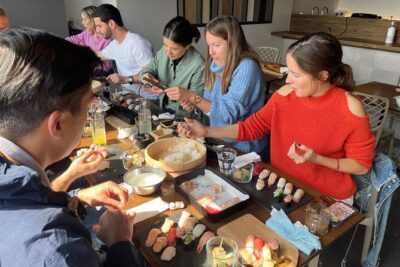
Sushi Making Tokyo Roll and Authentic Japanese Sushi Class
Read our review →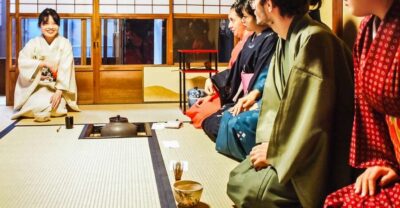

Roll and Authentic Sushi Making Class in Asakusa
Read our review →
Ramen Cooking Class at Ramen Factory in Kyoto
Read our review →
Sushi Making Class in a Happi Coat near a Famous Spot
Read our review →
Sushi Making Osaka Roll and Authentic Japanese Sushi Class
Read our review →Browse the lists this tour appears in