
Reviewed · SUSHI-MAKING CLASSES
Kyoto: Small-Group Authentic Sushi Making Workshop
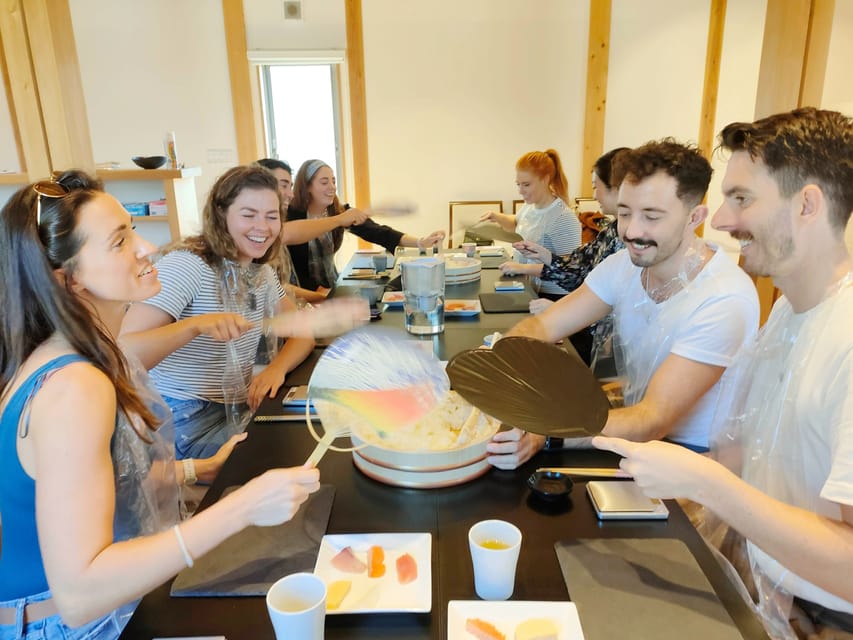
Sushi tastes better when you make it. I like this workshop for its eight-person limit and its calm setting in a restored Kyoto townhouse, where English instruction keeps the class easy to follow. I also like that you work with fresh fish and local ingredients rather than simply watching a demonstration. The main catch is practical: the class is not suitable for vegetarians or wheelchair users.
At $60 per person for 90 minutes, this is not the cheapest meal in Kyoto. But you are paying for lunch, instruction, cultural conversation, a small-group format, and a take-home bag with a sushi mat, chopsticks, and recipe card. If you want more than a restaurant meal, the value is strong.
In This Review
- Key points to know before booking
- Entering a Kyoto townhouse near Kiyomizu-Gojō
- What happens during the 90-minute class
- The food quality makes the lesson worthwhile
- The cultural conversation is part of the experience
- Why eight people is the right group size
- The take-home bag adds real value
- Is $60 a fair price in Kyoto?
- Who will enjoy this most?
- Should you book the Kyoto sushi workshop?
- FAQ
- How long does the sushi-making workshop last?
- Where does the class take place?
- Is the class taught in English?
- How many people can join the class?
- What types of sushi will I make?
- Is food included?
- Can vegetarians or wheelchair users take part?
Key points to know before booking
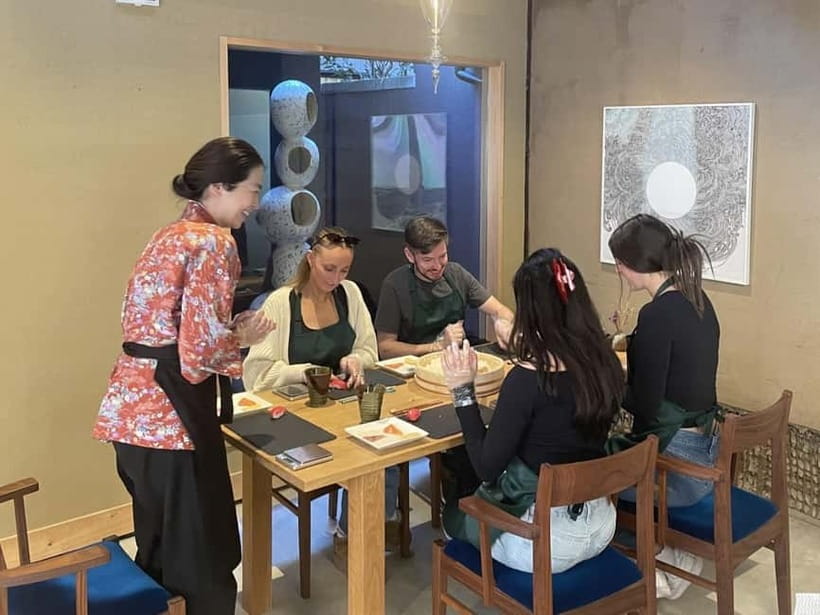
- Only eight participants: The small class size leaves room for questions and personal help, and some sessions may have fewer people.
- A real hands-on class: You season rice, shape nigiri, and roll maki instead of standing back while someone else cooks.
- Traditional Kyoto townhouse setting: The class takes place in the Kyoto Wand building, a peaceful space near Kiyomizu-Gojō Station.
- Fresh fish and local ingredients: Fish has been sourced from Nishiki Market, and the rice used in one class came from Kana’s family.
- A generous lunch: You eat the sushi you make, along with miso soup. Several people found the serving large enough to arrive hungry.
- Useful take-home gifts: The sushi rolling mat, chopsticks, and recipe card make it possible to repeat the lesson at home.
Entering a Kyoto townhouse near Kiyomizu-Gojō
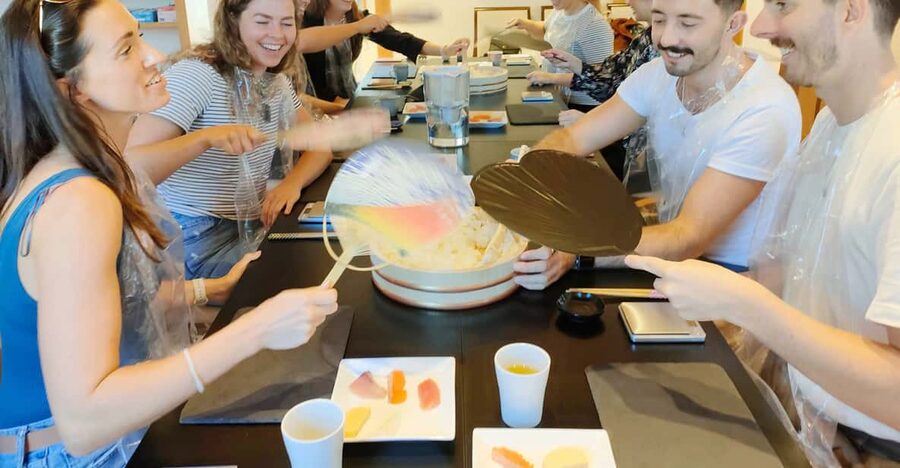
The workshop takes place in the Kyoto Wand building, a short walk from Kiyomizu-Gojō Station on the Keihan Main Line. The location is convenient if you are spending the day around Kiyomizu-dera, Gion, or the east side of central Kyoto.
This setting matters. You are not in a large commercial cooking school with rows of identical workstations. The class is held in a beautiful, restored townhouse with a quiet, traditional feel. It gives the activity a stronger sense of place, especially after a morning of temples and crowded streets.
Use the supplied Google Plus Code, XQVC+J7 Kyoto, if your map app has trouble locating the entrance. The activity does not include hotel pickup or drop-off, so you will need to make your own way there.
The hosts make a point of welcoming people personally. One family attending with a 10-year-old appreciated being greeted by name and offered water while waiting for the rest of the group. That small courtesy sets the tone: friendly, informal, and more like being welcomed into a local home than checking in for a formal lecture.
More Sushi-Making Classes in Kyoto
- Sushi Making in Kyoto! Same-day bookings welcome!
★ 5.0 · 713 reviews - The Original Small-Group Sushi Making Class in Kyoto
★ 5.0 · 436 reviews - Kyoto: Sushi Making Class with Sushi Chef
★ 4.8 · 64 reviews
What happens during the 90-minute class
The workshop moves at a steady pace, but it is not rushed. You begin with the foundations of sushi, including how to season properly cooked rice. This is important because good sushi depends on more than fresh fish. Rice temperature, texture, seasoning, and how firmly you handle it all affect the finished piece.
The instructors demonstrate each step before you try it. Kana is the main instructor named most often, with support at different times from people including her husband Karim, Kenneth, Aya, and Ayumi. The teaching style is patient and practical. You get a clear example, then time to copy the movement with your own ingredients.
The small format helps here. With no more than eight participants, the instructor can watch your hands, correct your shape, and answer questions without leaving you waiting for long. Some sessions have had only two or three people, which can make the instruction even more personal.
You work with more than one style of sushi. Nigiri is the familiar hand-shaped rice topped with fish or another ingredient. Maki rolls are formed with a bamboo mat, and some classes have also included gunkan sushi, the small oval-shaped pieces wrapped with seaweed and filled with ingredients such as corn or tuna salad.
The precise selection can vary, so do not book expecting one fixed menu. Previous classes have used salmon, tuna, squid, yellowtail, egg omelet, salmon with avocado, corn, and tuna salad. The supplied information confirms fresh, high-quality fish and local ingredients, but a specific fish is not promised for every session.
One useful point: you learn to shape and assemble the sushi, but you should not expect to fillet or cut the fish yourself. The fish is prepared for the class. That is a sensible choice for a short workshop, since it leaves enough time for the parts most people want to practice: rice, hand pressure, toppings, and rolling.
The food quality makes the lesson worthwhile
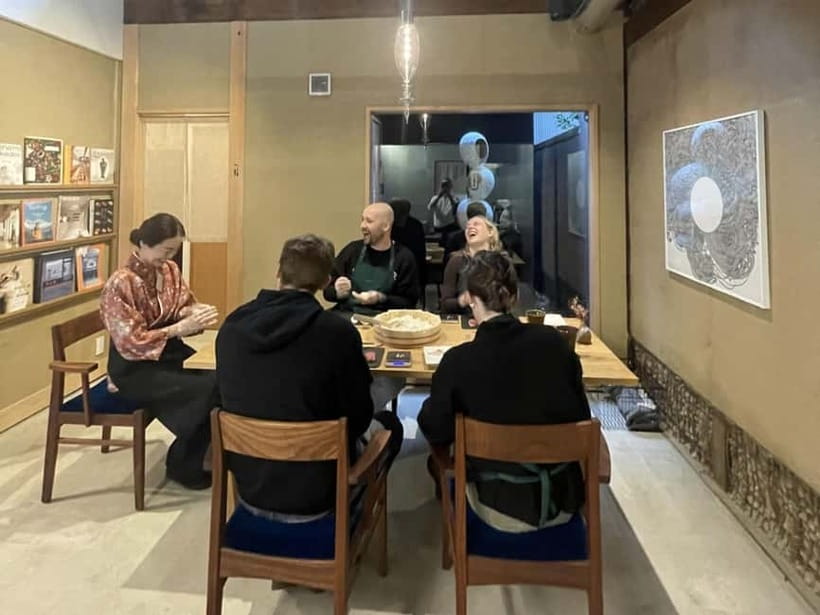
Fresh ingredients can turn a simple class into a memorable lunch. The fish used in these sessions has been described as coming from Nishiki Market, Kyoto’s famous food market, and the rice has included rice grown by Kana’s family. Those details give the meal a clear local connection.
You also get to eat what you make. That sounds obvious, but it changes the class from a craft activity into a proper midday meal. You can see the result of each technique immediately, and even imperfect pieces tend to taste good when the rice and fish are fresh.
Expect a substantial amount of sushi. Several participants specifically noted that the portions were large, with one family making and eating 16 pieces each. The exact quantity may depend on the session, but you should plan to arrive hungry rather than scheduling this between two large meals.
Miso soup is included. Soy sauce, wasabi, and ginger have also accompanied the sushi in the meal described by one participant. These small additions help you understand how the finished pieces are normally served, rather than eating them as isolated samples.
If you are nervous about raw fish, this can be a gentle introduction, but you should still tell the provider about dietary restrictions when booking. The class is explicitly not suitable for vegetarians, and the available information does not promise a vegetarian alternative.
The cultural conversation is part of the experience
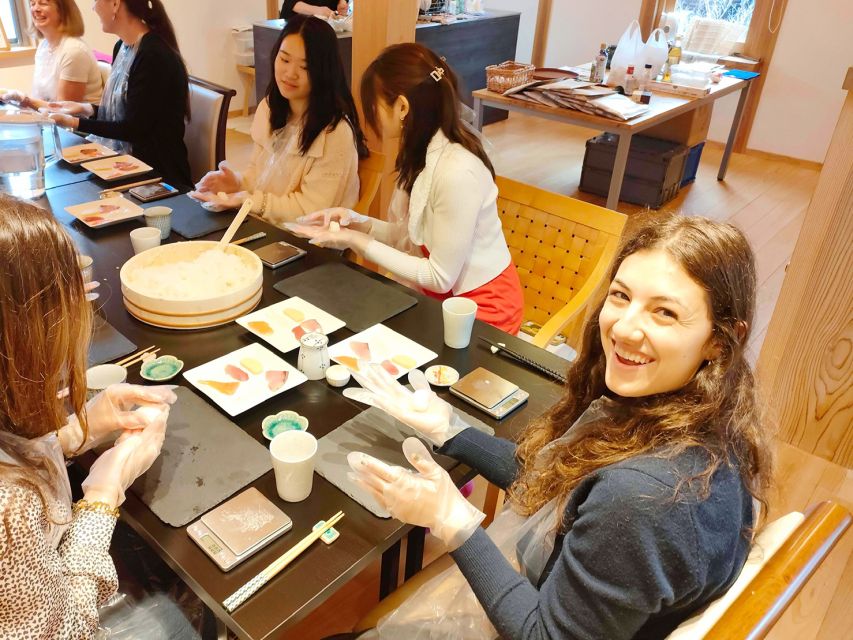
The class is about sushi, but the conversation often moves into Japanese culture and daily life. Kana has spoken about growing up in Osaka, moving to Kyoto, Japanese history, local customs, and places to eat or visit. Her English is described as strong, and the class is conducted in English.
That informal exchange is one of the best reasons to choose this over a standard cooking demonstration. You can ask questions while your hands are busy, and the small table setting makes conversation natural. The hosts also offer restaurant and sightseeing tips, which can be handy when you are still deciding how to spend your time in Kyoto.
The family element adds warmth. Kana’s husband has helped with instruction, and one class on December 31 included Kana’s mother. You should not assume every session will include the same people, but the workshop clearly has a personal, family-run character.
This is also a good activity for a mixed-age group. Families have joined with grandparents, children, and teenagers, and the instructions are paced for beginners. Younger children may need help with shaping and rolling, but the activity gives everyone a clear task.
A completely different kind of day out in Kyoto:
- PERFECT KYOTO 1-Day Bus Tour
★ 5.0 · 13,518 reviews - Kyoto: Fushimi Inari, Kinkakuji, Bamboo Grove 1 Day Bus Tour
★ 4.8 · 4,316 reviews - Kyoto: Tea Ceremony in a Traditional Tea House in Kiyomizu
★ 4.9 · 3,519 reviews - Kyoto Geisha Walking Tour: Gion District & Hidden Gems
★ 4.7 · 3,273 reviews
Why eight people is the right group size
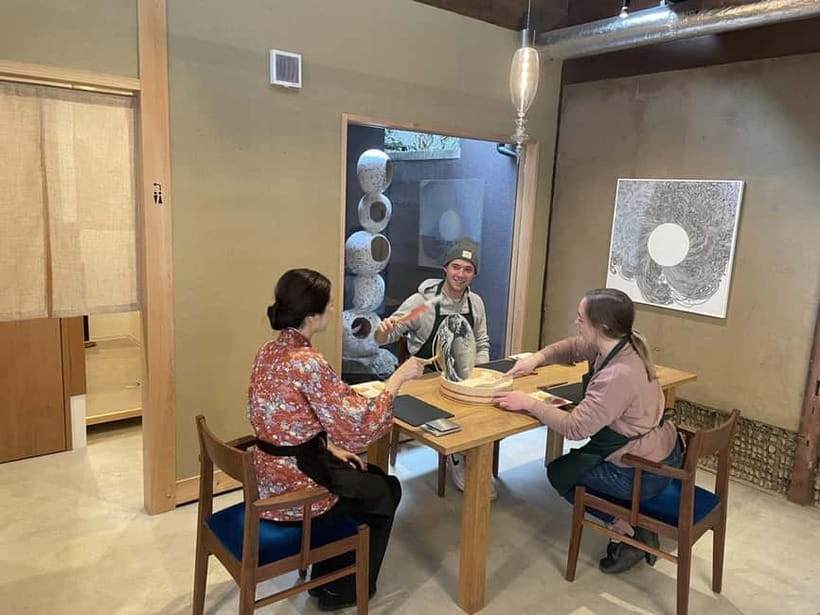
Sushi looks simple until you try to make it. Rice sticks to your fingers, rolls can loosen, and nigiri can become either too tight or too soft. A large group would make it harder to get useful corrections.
Here, the eight-person maximum gives the instructor time to demonstrate slowly and check individual work. People who already make sushi at home can ask about traditional local methods, while beginners can repeat the movements without feeling exposed.
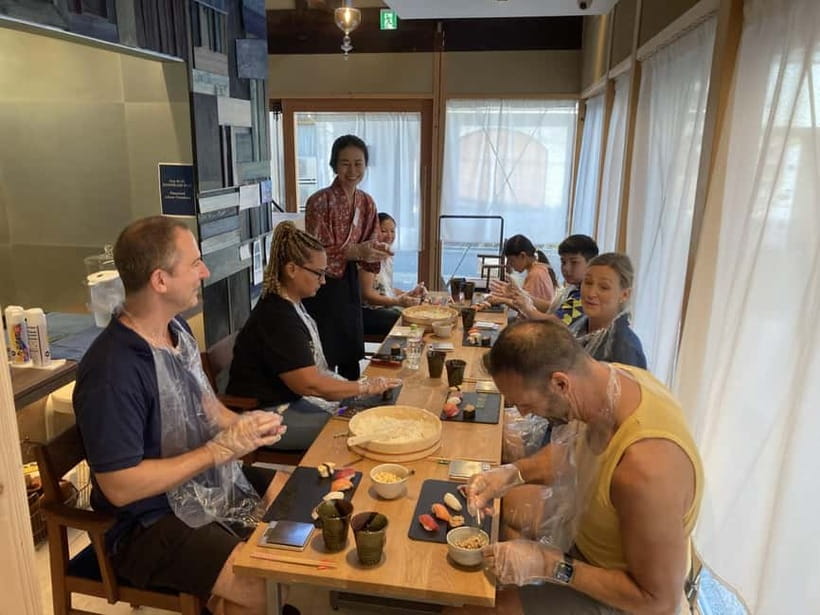
The class also works well for couples and solo participants. With a small mixed group, you have a chance to chat with people from different countries without the activity turning into a loud social event. The mood described across the sessions is relaxed and friendly, with plenty of conversation around the table.
There is one trade-off. A small workshop depends on the personality and teaching style of the people leading it. The available instructor language is English, and the named hosts have received very warm praise for patience and friendliness, but staffing can differ by date. If a particular instructor matters to you, check the current booking details before paying.
The take-home bag adds real value
At the end, you receive a gift bag containing a sushi rolling mat, chopsticks, and a recipe card. This is more useful than a decorative souvenir. The mat lets you practice maki rolls at home, while the recipe card helps you remember the rice and assembly steps after the details fade.
The gift also makes the $60 price easier to justify. You receive a meal, a 90-minute lesson, cultural discussion, and basic equipment. You are not just paying for a plate of sushi that disappears as soon as lunch ends.
Of course, the class will not turn you into a sushi chef. Professional sushi preparation takes years, and this workshop focuses on accessible home techniques. Still, you should leave able to repeat the basic styles and with a better sense of why sushi preparation requires such careful handling.
Is $60 a fair price in Kyoto?
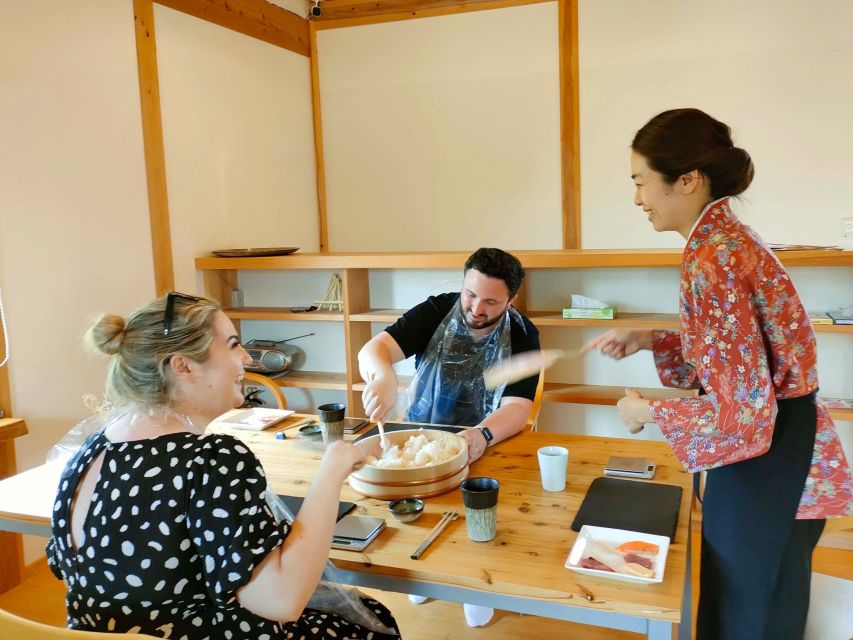
I consider $60 a fair price for the complete package, especially if you value personal instruction. A typical inexpensive sushi meal may cost less, but it will not teach you how to season rice, shape nigiri, roll maki, or choose the right pressure for each step.
The value is strongest for people who want an activity as well as lunch. You get a break from temple visits and city walking, and the 90-minute length fits neatly into a Kyoto day. It is long enough to feel substantial without taking over an afternoon.
The price is less attractive if you only want to eat sushi. In that case, a restaurant gives you more choice and may cost less. You also need to pay for your own transport to the venue, since transfers are not included.
Flexible booking terms help if your schedule is still changing. You can cancel up to 24 hours in advance for a full refund, and the reserve-now, pay-later option lets you hold a place without paying immediately.
Who will enjoy this most?
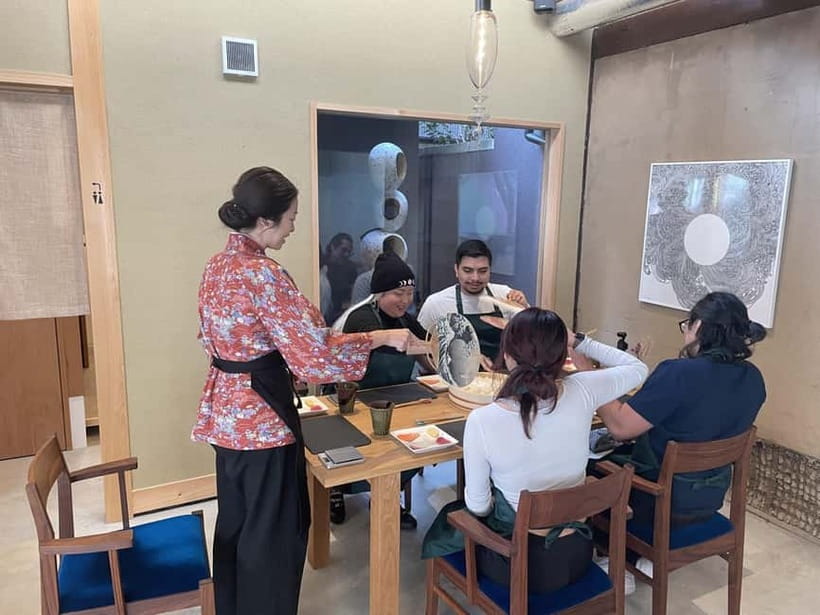
I would recommend the class to first-time sushi makers, families, couples, solo visitors, and food-focused visitors who want a relaxed cultural activity. It is especially suitable if you enjoy learning by doing and like having time to ask questions.
It also suits people who have tried making sushi at home. The class can give you a better understanding of traditional nigiri, rice handling, and the difference between a neat roll and a loose one.
This is not the right choice for vegetarians, and it is not suitable for wheelchair users. People with allergies or other dietary restrictions should contact the provider when booking rather than hoping the menu can be adjusted on arrival.
You should also allow time to find the building and arrive ready to participate. The class is in a central area, but hotel pickup is not offered.
Should you book the Kyoto sushi workshop?
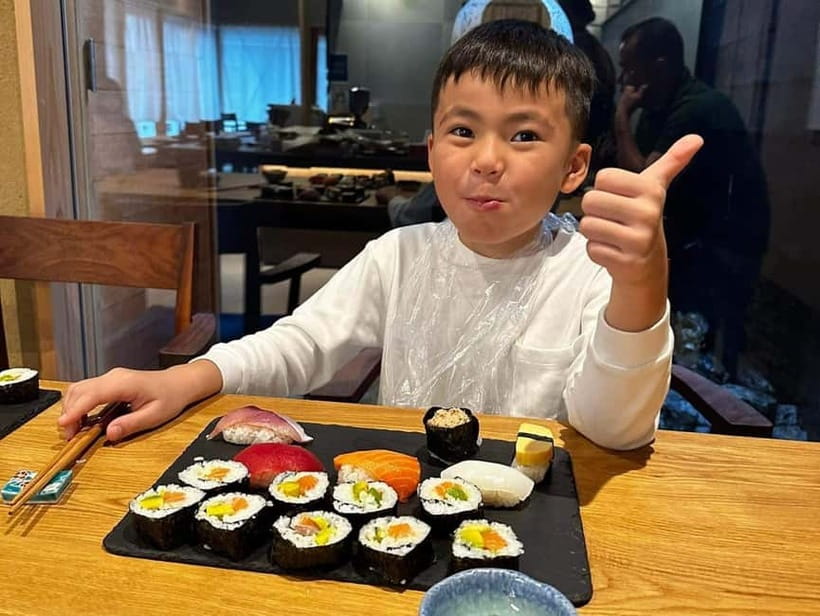
Book it if you want a personal, food-centered activity with a clear Kyoto setting. The combination of a small class, English instruction, fresh fish, a townhouse venue, and a generous meal gives you more substance than a quick demonstration.
I especially like it for families and for anyone spending several days in Kyoto who wants a quieter break from sightseeing. Kana and the other named hosts bring a warm, conversational style, and the gift bag gives the lesson a life beyond the 90 minutes.
Skip it if you are vegetarian, need wheelchair access, or only want the cheapest possible sushi lunch. For everyone else, $60 buys a useful skill, a satisfying meal, and an easy way to connect Japanese food with the people and place behind it.
FAQ
How long does the sushi-making workshop last?
The workshop lasts 90 minutes. Starting times vary, so you need to check availability for your preferred date.
Where does the class take place?
It takes place in the Kyoto Wand building, a short walk from Kiyomizu-Gojō Station on the Keihan Main Line. The venue is within walking distance of areas including Kiyomizu-dera and Gion.
Is the class taught in English?
Yes. The workshop includes an English-speaking host, and English is the listed instructional language.
How many people can join the class?
The group is limited to eight participants. Some sessions may have fewer people.
What types of sushi will I make?
You will make nigiri and maki rolls. Some sessions have also included gunkan sushi. The exact ingredients and selection can vary.
Is food included?
Yes. You eat the sushi you make, and miso soup is included. A gift bag with a sushi rolling mat, chopsticks, and recipe card is also provided.
Can vegetarians or wheelchair users take part?
The activity is not suitable for vegetarians or wheelchair users. You should advise the provider of any dietary restrictions when booking.
Just added around Kyoto
- Kyoto: Private Customizable Day Trip by Car★ 5.0 · 38 reviews
- Kyoto: Gion Night Walking Tour with Geisha Insight★ 5.0 · 39 reviews
- Kyoto: Full Day Bike Tour★ 4.9 · 39 reviews
- Private Japanese Calligraphy in Kyoto – Learn Shodō with a Master★ 5.0 · 39 reviews
- Experience a tea ceremony in an authentic tearoom, in Kyoto!★ 4.5 · 41 reviews
- Kyoto: Gion Evening Walk with Hidden Gems, Geisha & Sake★ 5.0 · 41 reviews
- Kyoto Private Photo Shoot & Tour by SnapKyoto★ 5.0 · 41 reviews
- The Way of Tea: Kyoto Crafts, Hidden Temples & Wabi-Sabi Walk★ 5.0 · 41 reviews
Sushi-Making Classes, compared.
Sushi Making Tokyo Roll and Authentic Japanese Sushi Class
Read our review →
Roll and Authentic Sushi Making Class in Asakusa
Read our review →
Make Sushi and Create Unforgettable Memories in Tokyo
Read our review →
Sushi Making Class in a Happi Coat near a Famous Spot
Read our review →
Sushi Making Osaka Roll and Authentic Japanese Sushi Class
Read our review →
Tokyo Sushi Making Class in Tsukiji with Professional Chef
Read our review →
Tsukiji Fish Market Guided Tour and Sushi Making with Pro Chef
Read our review →
Sushi Making in Kyoto! Same-day bookings welcome!
Read our review →Browse the lists this tour appears in