
Reviewed · SUSHI-MAKING CLASSES
Kyoto: Sushi Making Class with Sushi Chef
Sushi is easier to admire after making it. This Kyoto class gives you a hands-on introduction to nigiri and maki with a real sushi chef, using fish bought early that morning at Kyoto Central Wholesale Market. I especially like the small group of up to eight, which leaves room for patient instruction, and the fresh fish served as the lunch you make yourself.
The class also covers sushi etiquette, knife use, and the different fish on your plate, so it goes beyond a quick cooking demonstration. The main consideration is that you do not prepare the rice or cut the fish yourself, and anyone with food allergies should treat this as unsuitable unless the provider confirms a safe arrangement in advance.
In This Review
- Key points to know before booking
- What this Kyoto sushi class is really about
- Finding the venue near Shijo Karasuma
- Starting with a sushi practice toy
- Making nigiri with fresh fish
- Rolling maki with the special tool
- Arranging the plate and eating lunch
- Learning etiquette from the chef
- Photos without stopping your hands
- Group size, language, and family fit
- Food restrictions and class etiquette
- Cancellation and timing in plain English
- Is this $74 Kyoto experience worth booking?
- FAQ
- How long does the sushi-making class last?
- How much does the class cost?
- Where does the class meet in Kyoto?
- Is the class taught in English?
- What food is included?
- Can I join if I have a food allergy?
Key points to know before booking
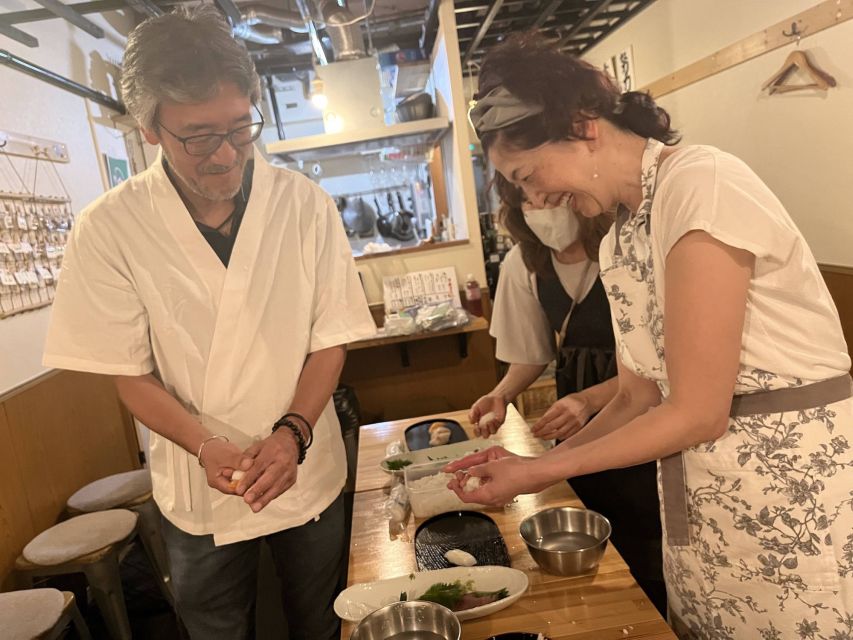
- Fresh fish from Kyoto Central Wholesale Market: Fish is purchased early each morning and prepared shortly before the class.
- Practice before the real sushi: You first use a sample sushi toy, then move on to actual nigiri and maki.
- Patient, English-speaking chefs: Hide, Yune, Yutaka, Nami, Yone, and Yukihide are among the instructors praised for clear teaching and friendly help.
- You eat your finished work: Nigiri, rolls, tea or water, and Japanese-style dashi soup are included.
- Photos and videos are handled for you: The team takes pictures and video during class and shares the files afterward.
- Two venues near Shijo Karasuma: Your exact meeting place depends on group size, with a Google Maps link sent by email.
What this Kyoto sushi class is really about
At $74 per person, this is not simply a meal with a few cooking tips. You pay for instruction, fresh ingredients, a seated lunch, a small group setting, and a food experience you can repeat at home.
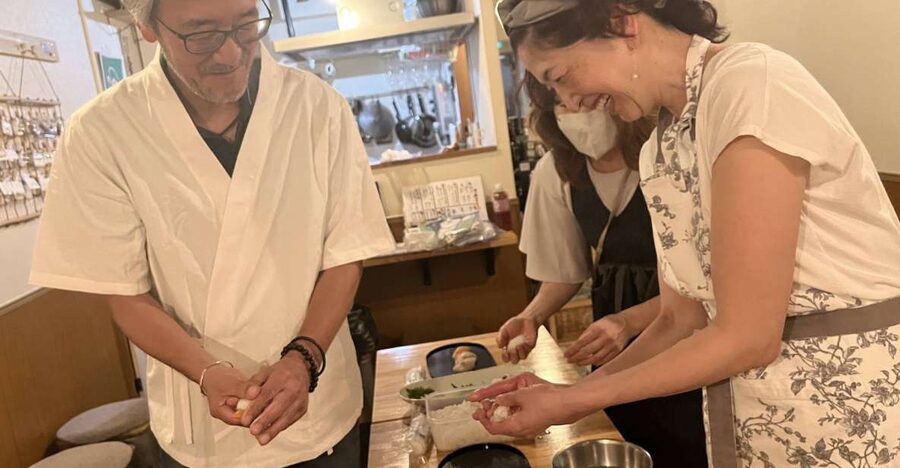
I like that the class is built around doing, not just watching. Sushi can look simple on the plate, but shaping rice, placing fish, and rolling maki neatly requires more control than most first-timers expect. The sample toy gives you a low-pressure way to understand the hand movements before fresh fish enters the picture.
The class is also a useful meeting point between Japanese food culture and practical cooking. You learn how sushi is eaten, not only how it is assembled. Several instructors explain etiquette and the proper way to handle sushi in a restaurant, which adds value if this is your first visit to Japan.
The time listed is 90 minutes to three hours. That is a wide range, so check the available starting time and expected length when you book. A smaller, relaxed group may take longer than a tightly timed session, especially if the chef answers questions or helps young children.
More Sushi-Making Classes in Kyoto
- Sushi Making in Kyoto! Same-day bookings welcome!
★ 5.0 · 713 reviews - The Original Small-Group Sushi Making Class in Kyoto
★ 5.0 · 436 reviews - Kyoto: Small-Group Authentic Sushi Making Workshop
★ 5.0 · 137 reviews
Finding the venue near Shijo Karasuma
The class uses two venues around Shijo Karasuma. You are not given one permanent meeting point at the time of booking. Instead, the organizer chooses the venue based on the number of people in the session and emails you a Google Maps link.
That detail matters in Kyoto, where a short walk can involve several similar-looking streets and entrances. Save the map before leaving your hotel, and read the meeting instructions carefully. At the agreed time, someone will meet you with a welcome board.
The area around Shijo Karasuma is practical for a food class because it is central and well connected, but you should not assume the venue is directly beside the station. Allow enough time to find the entrance, particularly if you are carrying shopping bags or arriving with children.
One past class took place in a cozy venue overlooking the river. That setting may not apply to every booking, since the organizer uses two locations, but it gives you an idea of the varied atmosphere possible. The important point is to follow the emailed location rather than rely on a general Kyoto map pin.
Starting with a sushi practice toy
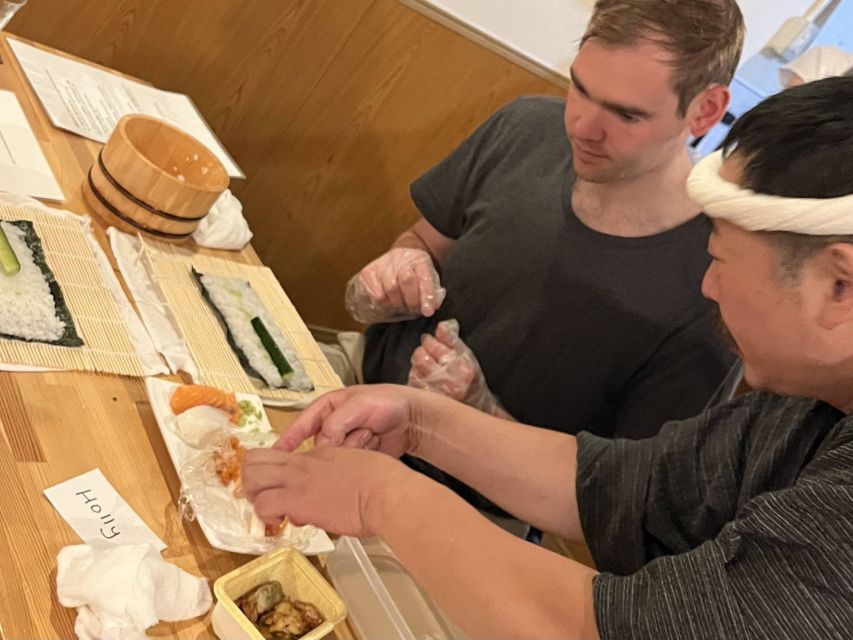
The first stage is deliberately simple. You practice with a sushi sample toy before touching the real ingredients.
That may sound aimed only at children, but I see the value for adults too. Beginners often struggle because they are trying to remember several things at once: how much rice to use, how firmly to press, and how to keep the topping in place. A model lets you learn the basic shape without worrying about wasting food.
This is also where the class earns its family-friendly reputation. A five-year-old was described as loving the experience, and families with teenagers found the process easy to follow. The chef demonstrates each step, then gives you time to copy it.
Do not expect a formal culinary-school lesson. You are learning the basic technique well enough to make attractive sushi and understand the craft. The tone is friendly and practical, with the chef correcting your hands and helping when a roll starts to misbehave.
Making nigiri with fresh fish
Once you are comfortable with the practice model, you begin making real nigiri sushi. Nigiri is the hand-shaped style with a small mound of rice topped by fish, and it is the clearest lesson in sushi balance.
You learn how much rice belongs in each piece and how to shape it without crushing the grains. The fish has already been purchased and cut by the chef, so you can focus on assembly and presentation. This is one area where the class is less hands-on than some serious cooking workshops.
One participant wished they could prepare the rice and cut the fish, even offering to pay extra for that option. That is a fair criticism if you want to learn the full restaurant process. Cutting raw fish safely and correctly is a specialized skill, and the class keeps that difficult work with the chef.
For most people, that trade-off makes sense. You get clean cuts, good portions, and less time spent on preparation. You also avoid turning a short class into a long knife lesson. If your goal is to recreate the whole process at home, ask beforehand how much preparation the class includes.
The fish quality is a major part of the experience. It is bought early each morning at Kyoto Central Wholesale Market and prepared shortly before class. Multiple participants found the fish fresh, well cut, and delicious, including one person who normally does not enjoy raw fish but liked the sushi made here.
The chef may also explain the fish you are using and how the pieces differ. Hide was praised for discussing fish, knives, their specific uses, dining manners, and the reasons behind each step. Those details turn the meal into a small lesson in how sushi is selected and served.
A completely different kind of day out in Kyoto:
- PERFECT KYOTO 1-Day Bus Tour
★ 5.0 · 13,518 reviews - Kyoto: Fushimi Inari, Kinkakuji, Bamboo Grove 1 Day Bus Tour
★ 4.8 · 4,316 reviews - Kyoto: Tea Ceremony in a Traditional Tea House in Kiyomizu
★ 4.9 · 3,519 reviews - Kyoto Geisha Walking Tour: Gion District & Hidden Gems
★ 4.7 · 3,273 reviews
Rolling maki with the special tool
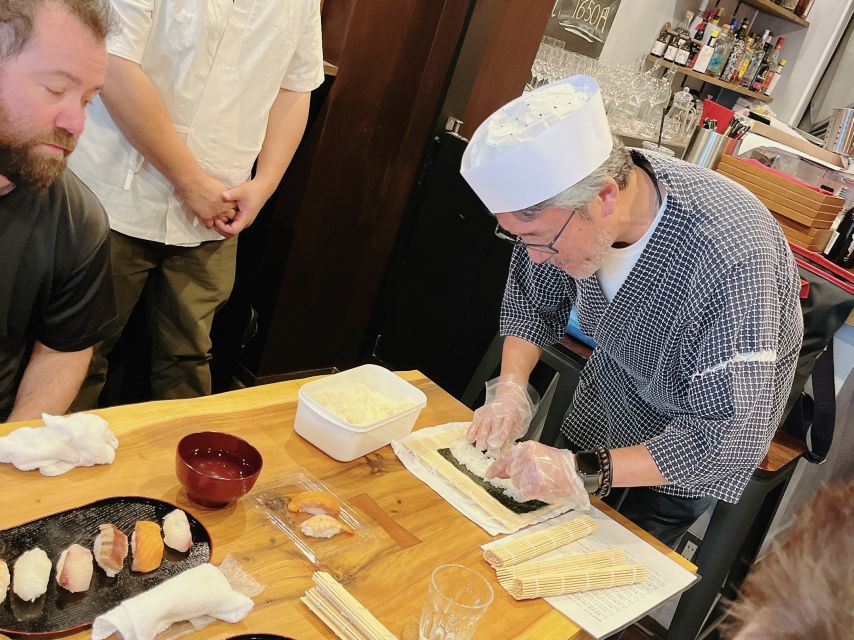
After nigiri, you make a sushi roll using a special tool. This part has a different feel from nigiri. Instead of shaping one piece at a time, you manage fillings, rice, and the rolling motion as a single unit.
The tool helps beginners produce a firm, even roll. You still need to spread the rice and place the filling sensibly, but you are not left wrestling with a loose cylinder. One instructor was specifically praised for teaching the rolling technique patiently, and the class includes enough fish for you to feel that you are making a proper meal rather than a token sample.
The roll is also a good moment to accept help. If you press too hard, the rice can squeeze out. If you leave gaps, the roll may fall apart when cut. The chef can show you where to adjust your grip and how to finish the shape.
The class covers three types of sushi according to one detailed account, including nigiri and maki. The exact selection may depend on the session, so think of the class as a guided introduction rather than a fixed professional menu.
Arranging the plate and eating lunch
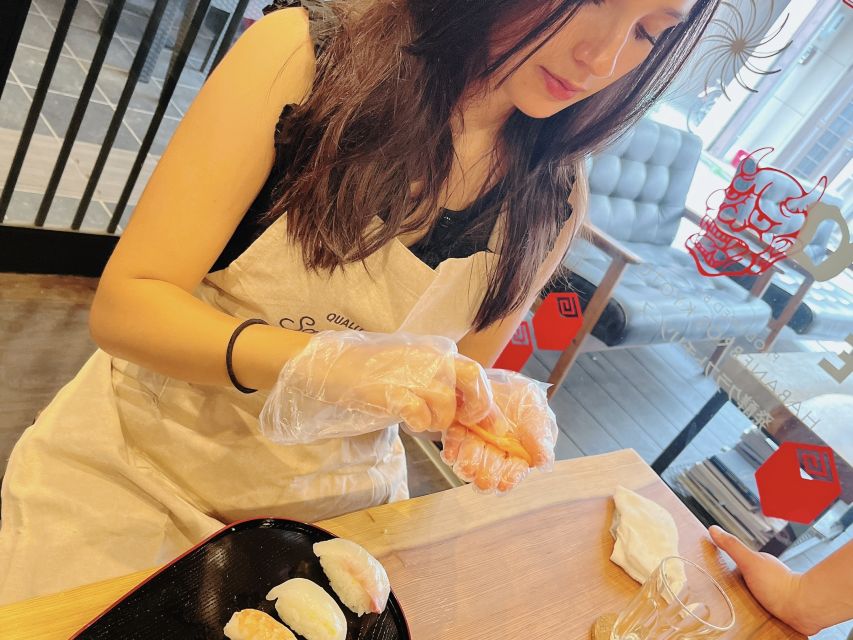
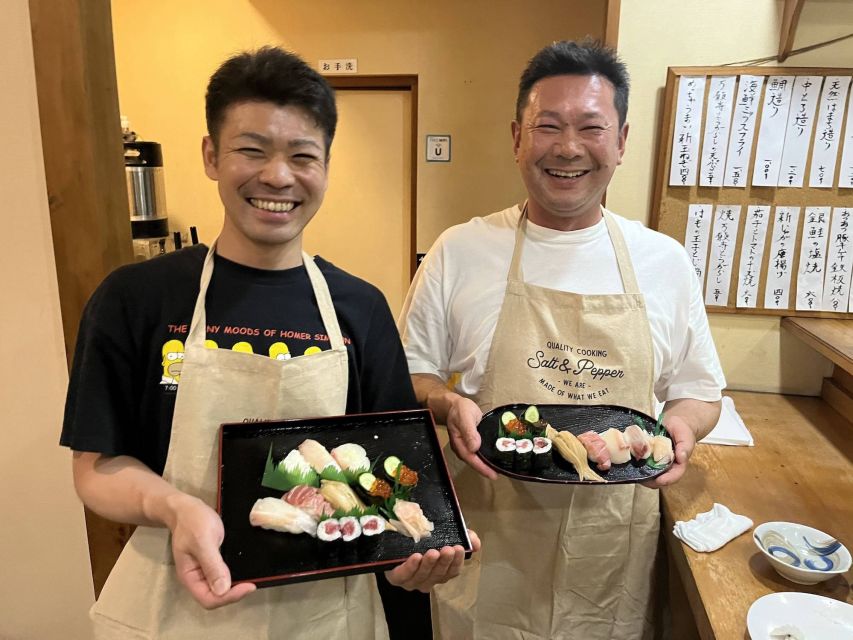
At the end, you decorate all your sushi on a plate and sit down to eat it as lunch. This is the payoff, but it is also part of the lesson.
A restaurant chef can make perfect sushi look effortless. Your own plate will probably have small differences in size and shape, which is exactly why the meal is satisfying. You can see what your hands produced, then taste how rice, fish, and presentation work together.
Tea or water and Japanese-style dashi soup are included. The soup gives the meal a warm, savory partner and makes the lunch feel more complete than sushi alone.
I like that you eat the food soon after making it. The experience connects technique to taste. You notice whether the rice is too loose, whether the roll is packed too tightly, or whether the fish portion feels balanced.
The meal is not presented as a luxury sushi tasting. It is a generous, educational lunch that you have helped assemble. At $74, that distinction matters. If you only want to eat excellent sushi, a restaurant may offer a more polished plate for less money. If you want fresh ingredients, instruction, and the satisfaction of making lunch yourself, the price is easier to justify.
Learning etiquette from the chef
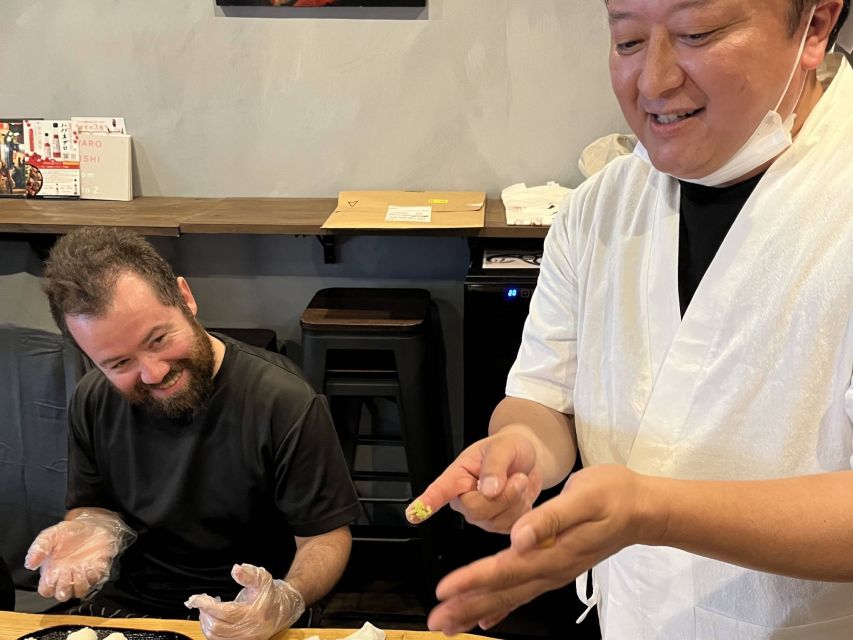
Several instructors include guidance on sushi etiquette and how to eat at a sushi restaurant. This can be especially useful if you feel uncertain about soy sauce, chopsticks, or the best way to handle nigiri.
You may also learn why some fish are cut or served in particular ways. The lesson is not limited to recipe steps. It gives you a better sense of the care behind a sushi counter, from knife choice to the final arrangement.
This cultural detail is one of the strongest reasons to choose a chef-led class instead of a generic cooking activity. You are not just copying a recipe from a screen. You can ask questions and receive an answer connected to professional practice.
The instructors have different names and styles, but the pattern is consistent. Hide is repeatedly described as relaxed, patient, and experienced. Yune was praised for making maki and nigiri easy to follow. Nami was especially kind and patient with a five-year-old, while Yutaka and Yone were noted for clear explanations and warm teaching.
Photos without stopping your hands
The team takes photos and videos during the class, then shares the data afterward. That is a small feature with real value.
Cooking and taking pictures at the same time is awkward. You either miss the instruction or end up with a gallery of hands, bowls, and half-finished food. Here, you can concentrate on shaping sushi while someone else records the process.
The photos also capture the parts you may not think to document, such as the chef demonstrating a technique or your first attempt at nigiri. Do not expect a professional photo shoot. The useful promise is that you can stay present during the lesson and receive the files afterward.
Group size, language, and family fit
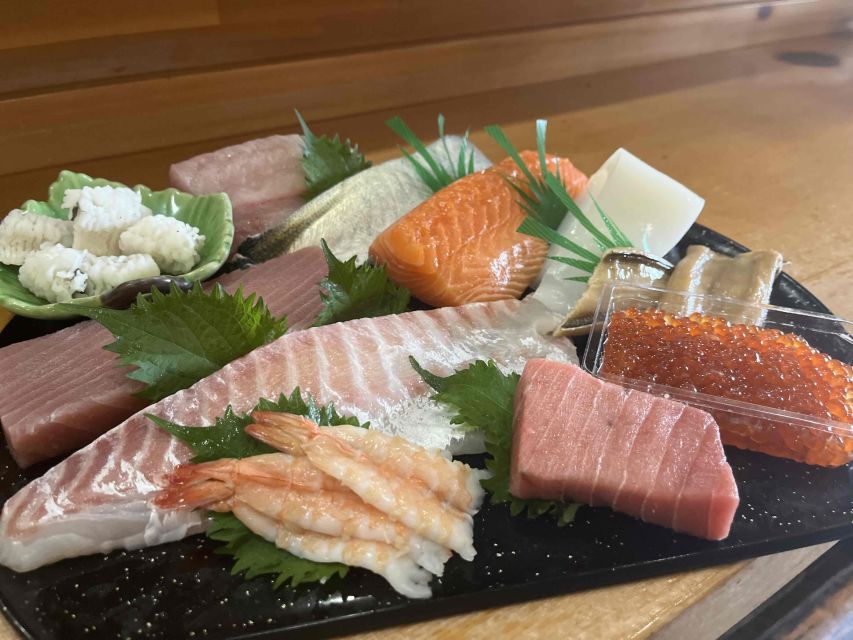
The class is limited to eight participants. That is small enough for personal correction and large enough to feel social without becoming a stage show.
English and Japanese instruction are available. The quality of your experience will still depend on the instructor and the questions you bring, but the class is designed for English-speaking participants. Clear demonstrations also help bridge any language gaps.
I would recommend it to couples, families, and small groups of friends. Children can take part, and the practice toy gives younger students a sensible starting point. Teenagers may enjoy the balance between craft, food, and a finished meal.
It also suits adults who are curious about sushi but do not consider themselves cooks. The instructors are used to beginners, and the purpose is not to test you. You will get help, and the fish and rice are prepared so you can focus on the central skills.
Food restrictions and class etiquette
Strong fragrances are not allowed. Avoid heavy perfume or cologne so the smell does not interfere with the food and the shared room.
The activity is listed as unsuitable for people with food allergies. One gluten-free participant received careful accommodation, including help with restaurant translations, and another class handled gluten allergies successfully. Still, that does not mean every allergy can be managed safely.
Contact the provider before booking if you have any allergy or strict dietary requirement. Do not rely on a general gluten-free success story as a guarantee for fish, soy, rice seasoning, or other ingredients used in your specific class.
Cancellation and timing in plain English
You can cancel up to two days in advance for a full refund. That gives you some flexibility, but Kyoto schedules can change quickly, so I would still book only after confirming your sightseeing plans.
The class may last 90 minutes or as long as three hours. Check the available starting times and allow extra room afterward if you have a train, temple reservation, or another timed activity. A food class is best enjoyed without watching the clock.
Is this $74 Kyoto experience worth booking?
I would book this class if you want an active food experience with a real chef, fresh fish, and a meal at the end. The strongest points are the patient teaching, the small group, the quality of the fish, and the chance to learn both preparation and restaurant manners.
I would choose something else if you want to cut fish, prepare sushi rice from the beginning, or receive advanced knife training. This class teaches accessible assembly rather than the full work of a sushi kitchen.
For families, first-time sushi makers, and anyone who wants a useful memory from Kyoto, it is a strong choice. Bring curiosity, wear no strong fragrance, arrive at the emailed venue, and let the chef handle the difficult cuts while you concentrate on making a plate you will be proud to eat.
FAQ
How long does the sushi-making class last?
The stated duration is between 90 minutes and three hours. Check the available starting times and expected duration when selecting your booking.
How much does the class cost?
The price is $74 per person. This includes the sushi-making class, the sushi you make and eat, tea or water, Japanese-style dashi soup, and shared photo data.
Where does the class meet in Kyoto?
The class uses two venues around Shijo Karasuma. The venue is selected according to the number of participants, and you receive a Google Maps link by email. At the meeting time, the staff will appear with a welcome board.
Is the class taught in English?
Yes. Instruction is available in English and Japanese.
What food is included?
You make nigiri sushi and a sushi roll, then eat the sushi as lunch. Tea or water and Japanese-style dashi soup are also included.
Can I join if I have a food allergy?
The activity is listed as unsuitable for people with food allergies. Some gluten-free needs have been accommodated, but you should contact the provider before booking to confirm whether your specific requirement can be handled safely.
Just added around Kyoto
- Kyoto: Gion Night Walking Tour with Geisha Insight★ 5.0 · 39 reviews
- Kyoto: Private Customizable Day Trip by Car★ 5.0 · 38 reviews
- Kyoto: Full Day Bike Tour★ 4.9 · 39 reviews
- Private Japanese Calligraphy in Kyoto – Learn Shodō with a Master★ 5.0 · 39 reviews
- Kyoto: Gion Evening Walk with Hidden Gems, Geisha & Sake★ 5.0 · 41 reviews
- Experience a tea ceremony in an authentic tearoom, in Kyoto!★ 4.5 · 41 reviews
- Kyoto Private Photo Shoot & Tour by SnapKyoto★ 5.0 · 41 reviews
- The Way of Tea: Kyoto Crafts, Hidden Temples & Wabi-Sabi Walk★ 5.0 · 41 reviews
Sushi-Making Classes, compared.
Sushi Making Tokyo Roll and Authentic Japanese Sushi Class
Read our review →
Roll and Authentic Sushi Making Class in Asakusa
Read our review →
Make Sushi and Create Unforgettable Memories in Tokyo
Read our review →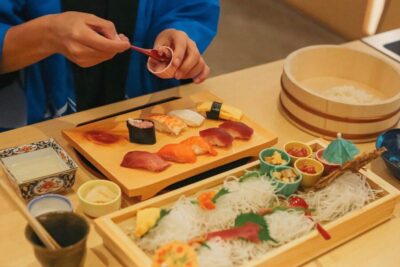
Sushi Making Class in a Happi Coat near a Famous Spot
Read our review →
Sushi Making Osaka Roll and Authentic Japanese Sushi Class
Read our review →
Tokyo Sushi Making Class in Tsukiji with Professional Chef
Read our review →
Tsukiji Fish Market Guided Tour and Sushi Making with Pro Chef
Read our review →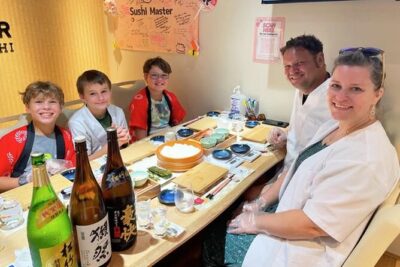
Sushi Making in Kyoto! Same-day bookings welcome!
Read our review →Browse the lists this tour appears in