
Reviewed · COOKING CLASSES
Kyoto: Wagashi (Japanese sweets) Cooking near Fushimiinari
Sweet-making is better in a real home. This 150-minute wagashi cooking class near Fushimi Inari gives you a hands-on look at Japanese sweets in an authentic room with garden views. I like the small groups, limited to six, and I like that instructor Miho teaches in clear English while adding bits of Japanese culture to the recipes. The one thing to consider is that this is a seated, home-based activity, not a sightseeing tour, and children under six cannot join.
You prepare about three sweets, then eat them with tea in a traditional Japanese room. I especially like that you do the work yourself rather than simply watch a demonstration. The $84 price is not cheap for a cooking class, but it includes ingredients, instruction, tea, and the calm setting of a private Japanese home.
In This Review
- Key points to know before booking
- Why wagashi makes a fine Kyoto activity
- Entering an authentic Japanese room
- Watching the demonstration, then taking over
- The sweets you may prepare
- Tea, matcha, and the final garden-view tasting
- Miho’s teaching style and the value of a small group
- Is $84 a fair price?
- Who should book this class?
- Final verdict: a warm, hands-on Kyoto experience
- FAQ
- How long does the wagashi cooking class last?
- How many people can join the class?
- Is the class taught in English?
- What sweets will I make?
- Can children join the class?
- Is the class suitable for vegetarians and vegans?
Key points to know before booking
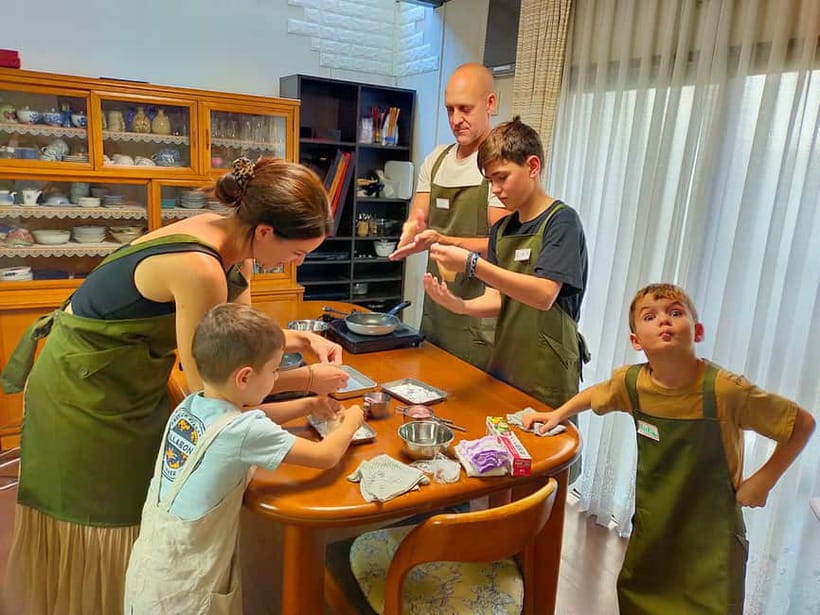
- You make about three Japanese sweets yourself: Examples have included dango, mochi, dorayaki, and mochi ice cream, though the menu changes with the season.
- Miho teaches in English: Her patient, friendly approach suits first-time cooks and families with older children.
- The class ends with tea and a garden view: You arrange your sweets on a tray and enjoy them in a traditional washitsu room.
- The group is very small: A maximum of six people allows plenty of time for questions and individual help.
- You may take some sweets home: The amount depends on what you prepare, but one participant had enough left over for takeaway.
- Food restrictions can be accommodated with notice: Vegetarians are welcome, and the class is vegan friendly.
Why wagashi makes a fine Kyoto activity
Kyoto has no shortage of temples, shrines, and crowded lanes. A cooking class gives you a different view of the city. Instead of looking at Japanese culture from behind a rope or camera lens, you work with familiar ingredients and learn how sweets fit into daily hospitality.
Wagashi means traditional Japanese confectionery. These sweets are often made from ingredients such as rice flour, beans, sugar, and sweet fillings. Their shapes and colors can reflect the season, so the food is as much about appearance and texture as it is about sweetness.
This experience is a good match if you have seen mochi, dango, or other sweets in manga and anime and want to understand what they are actually like. It is also useful for anyone who wants a cultural activity that does not require advanced cooking skills.
The class is held near Fushimi Inari, one of Kyoto’s best-known areas. The location makes it easy to pair the activity with a visit to the shrine, but the class itself is quiet and domestic. That contrast is part of its appeal.
More Cooking Classes in Kyoto
- Ramen Cooking Class at Ramen Factory in Kyoto
★ 5.0 · 1,937 reviews - Kyoto: Ramen Cooking Class at a Ramen Factory with Souvenir
★ 4.9 · 532 reviews - Kyoto: Ramen, Gyoza, and Onigiri Cooking Class
★ 5.0 · 445 reviews
Entering an authentic Japanese room
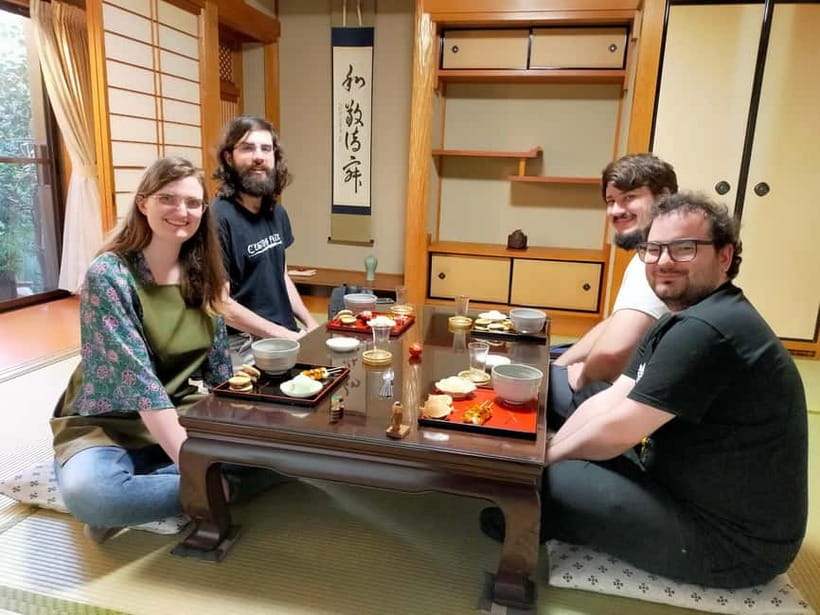
The experience begins with time to relax in a traditional Japanese room. This is not a restaurant dining room or a modern cooking school. You enter a home with a washitsu-style space and a garden view, giving the class a more personal feel from the start.
That setting matters. Wagashi is closely tied to tea, presentation, and hospitality. Sitting on the floor or in a traditional room, then looking out toward a garden as you eat, helps explain why these sweets are treated as more than quick snacks.
You may be welcomed with tea and, depending on the class, a small sweet such as sweet potato. The pace is gentle rather than rushed. If you have spent the morning walking through Kyoto, this opening pause gives your feet a break before the practical work begins.
The home setting also means the class feels personal. On dates with only one booking, participants have received a private lesson. At other times, the group has included families or a small collection of international visitors. The maximum of six keeps the room from feeling crowded.
One practical point: this is not suitable for wheelchair users, and children under six cannot participate. Children aged 12 and below must attend with a guardian. Families with older children have found the hands-on format especially effective because everyone can take part.
Watching the demonstration, then taking over
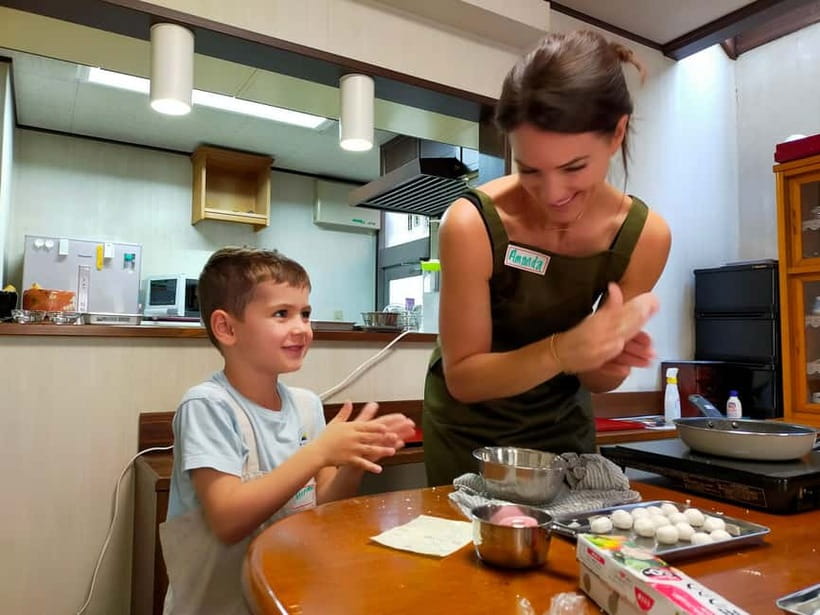
Miho first demonstrates the techniques. You then prepare the sweets yourself, either alone or with a partner. This distinction is important. You are not simply watching someone shape a perfect confection while trying to remember the steps later.
The instructor explains what to do, then lets you work at your own pace. She can correct your technique and answer questions as you go. That approach works well for beginners because wagashi can look delicate and difficult, yet many of the basic steps are manageable once you see them clearly.
The exact menu depends on the season. Past classes have included dango, mochi, dorayaki, and mochi ice cream. You might prepare three different types, but you should not book expecting a fixed menu throughout the year.
Dango gives you a chance to work with a rice-based dough and shape it into small pieces. Mochi introduces the soft, stretchy texture that many people associate with Japanese sweets. Dorayaki offers a different style, with small pancakes and a sweet filling. Together, these recipes show that wagashi is not one single kind of dessert.
The class also covers ingredients and cooking methods. You can ask where to buy supplies and how to repeat the recipes at home. One useful point from the experience is that mochi may be easier to make than you expect. You do not need professional equipment or an elaborate kitchen to appreciate the basic method.
Still, keep your expectations realistic. The aim is to learn and enjoy the process, not to produce confectionery-shop perfection. Your sweets may have uneven shapes, and that is part of the fun. The instructor’s job is to help you understand the method, not turn you into a Kyoto sweets artisan in two and a half hours.
The sweets you may prepare
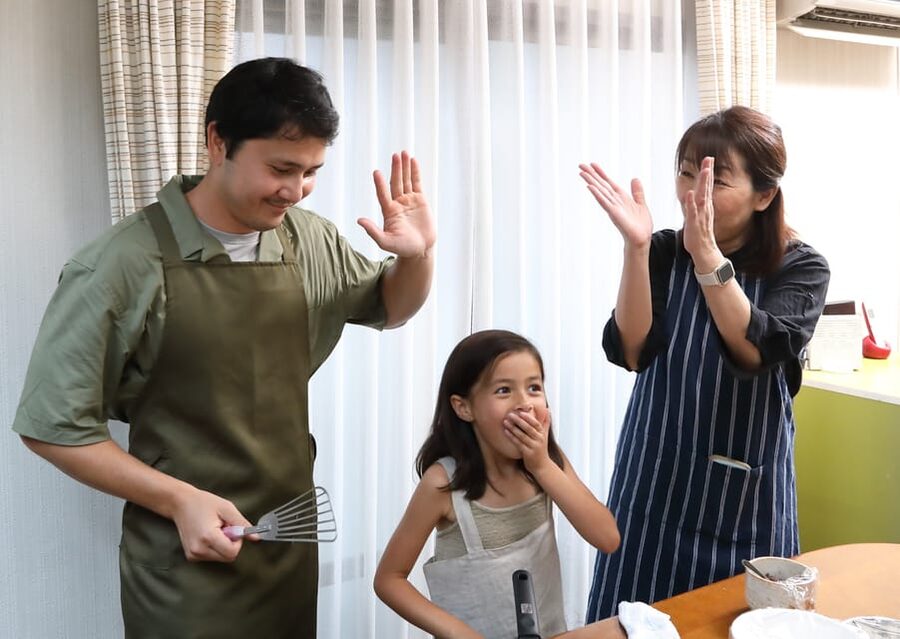
Because the menu changes by season, I would treat the examples as possibilities rather than promises. Here is what each type adds to the experience:
- Dango: These small rice-flour dumplings are simple in appearance but satisfying to shape. They give you a clear introduction to working with a soft dough.
- Mochi: The chewy texture makes this one of the most memorable preparations. It is also a good recipe to try at home after the class.
- Dorayaki: These sweet filled pancakes bring a different texture and method to the table. They are recognizable to many people from Japanese popular culture.
- Mochi ice cream: This combines a soft outer layer with a cold filling and was a favorite for one family group.
- Seasonal sweets: The class may include other items depending on the time of year.
The recipes are not just decoration for a tea tray. You learn how ingredients behave and how presentation changes the eating experience. Miho also shares practical suggestions about finding ingredients at home, including the possibility of visiting an Asian supermarket.
If you have dietary restrictions, tell the provider in advance. Vegetarians are welcome, and the class is described as vegan friendly, but advance notice is still important. Do not assume every seasonal menu will suit your needs without checking first.
More Dessert Tours in Kyoto
- Kyoto: Japanese Traditional Sweets Making and Tea Ceremony
★ 4.4 · 314 reviews - Kyoto Wagashi(Japanese sweets) Cooking Class near Fushimiinari
★ 5.0 · 60 reviews - Kyoto: Traditional Tea Ceremony with Matcha & Sweets in Gion
★ 4.9 · 27 reviews
Tea, matcha, and the final garden-view tasting
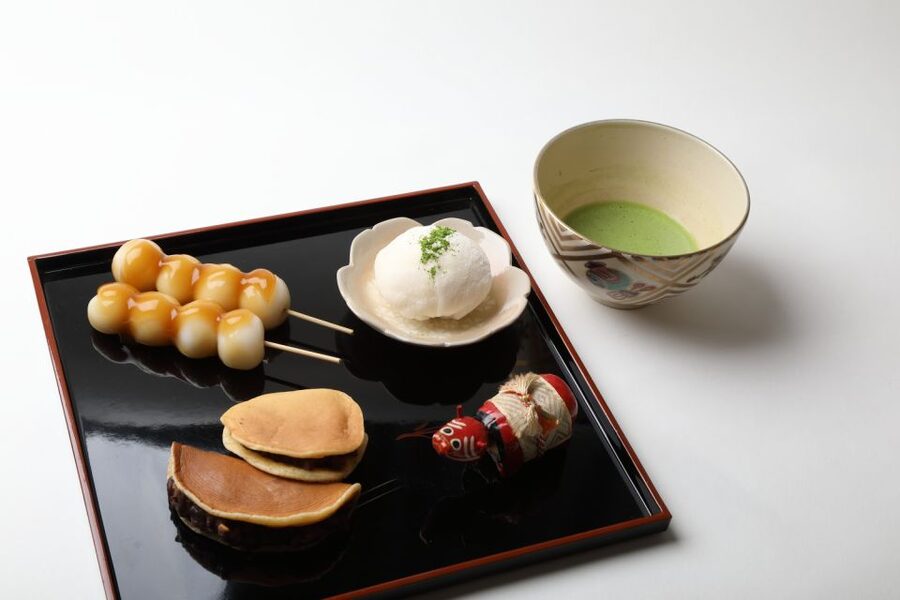
After the cooking, you sit together in the traditional room and eat the sweets with tea. This is the part that turns a cooking lesson into a cultural experience.
You may also receive a short lesson in preparing matcha. Miho has shown participants how to whisk the powdered tea and then prepared matcha for them. The tea is served with the sweets, allowing you to notice how bitterness balances the sugar.
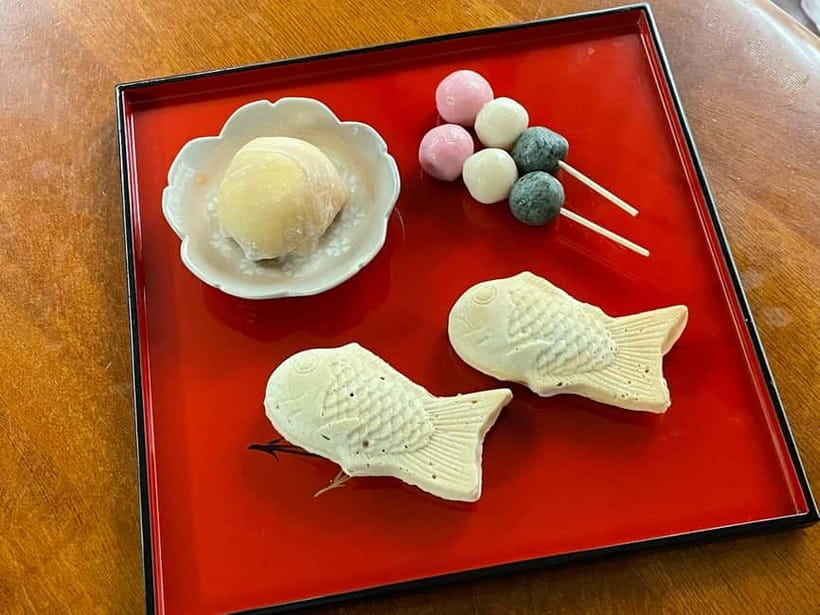
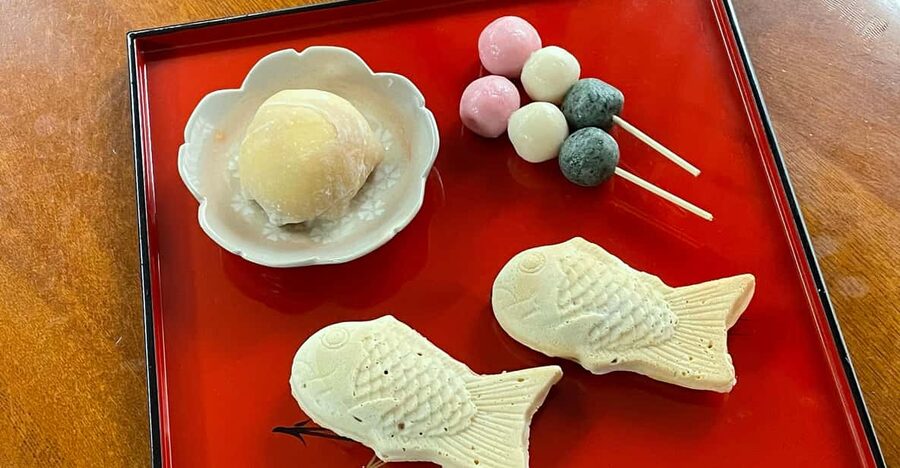
The final tray is part of the pleasure. You arrange the sweets and tea, then enjoy them while looking toward the garden. It is a small ritual, but it helps you understand the Japanese habit of paying attention to shape, color, season, and setting.
You may have sweets left over to take with you. The amount depends on the menu and how much you make. Bring a little care to transporting them, since soft sweets are not always as sturdy as packaged souvenirs.
This closing tea is also a good time to ask questions about Japan. Miho has offered suggestions for places to visit based on individual interests, and the small setting allows for natural conversation. If you enjoy personal contact with your instructor, this is one of the strongest parts of the experience.
Miho’s teaching style and the value of a small group
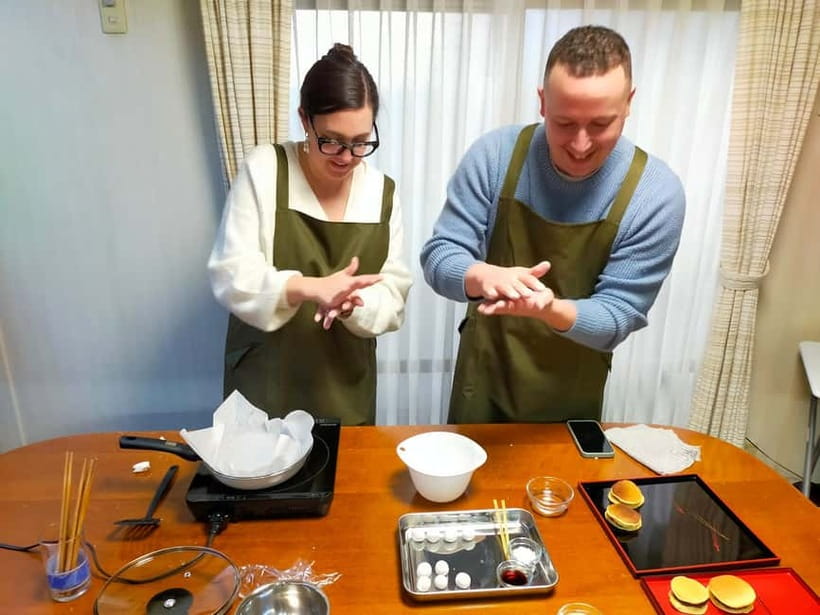
The instructor is Miho, and English is used throughout the class. She is a licensed guide interpreter, which helps with both the cooking instructions and the cultural explanations.
Clear English matters here. Wagashi preparation involves texture, timing, and small hand movements. If the directions are vague, the class could become frustrating. Miho’s style is described as patient, organized, kind, and easy to understand, with enough humor and conversation to keep the session relaxed.
The class is limited to six people. That number is small enough for you to get individual help, yet large enough for a shared meal and conversation. If you book on a quiet date, you may find yourself in a private lesson or a very small group.
A small class also suits families. Children aged eight, 10, and 12 have taken part with parents and enjoyed having their own tasks. Younger children are not accepted, and anyone aged 12 or below must have a guardian, so plan accordingly.
The social side can vary. With a full group, you will share the cooking and tea with others. With only one or two bookings, the class may feel more like a visit with a local host. Neither format is better for everyone, but it is worth knowing that the atmosphere depends on the number of bookings.
Is $84 a fair price?
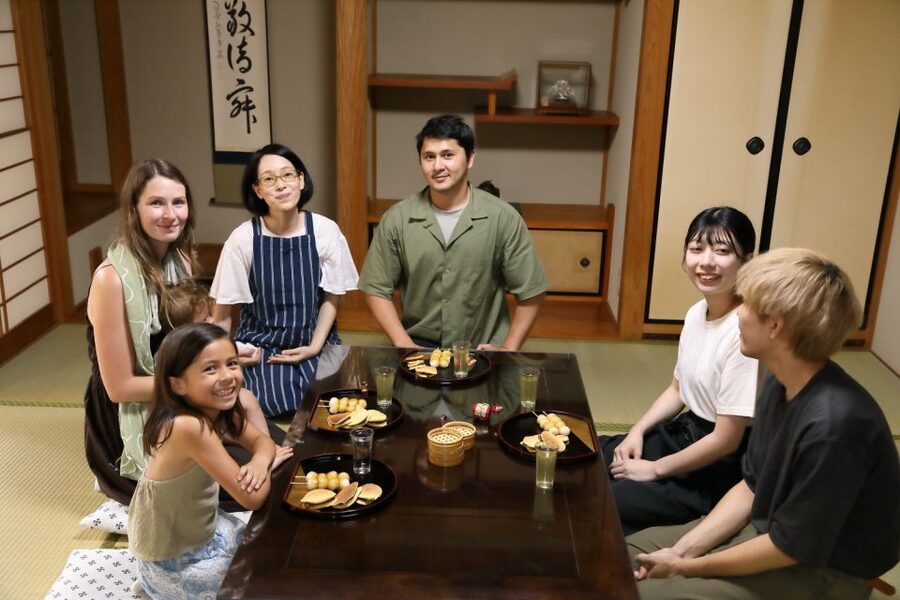
At $84 per person, this is more expensive than buying wagashi from a shop. You are paying for ingredients, instruction, tea, and a two-and-a-half-hour visit in a traditional home.
The value is strongest if you want to learn. You make the food, receive explanations about methods and ingredients, and leave with recipes you may be able to repeat. A shop gives you a finished sweet. This class gives you a skill, a meal, and time with a local instructor.
The price also covers all fees and taxes, so you do not need to add separate charges for the ingredients or tea. Hotel pickup and drop-off are not included. You will need to make your own way to the class near Fushimi Inari.
For a family or small private group, the cost may feel easier to justify because everyone takes part. For a solo visitor on a tight budget, it is a bigger spend. I would book it for the cultural access and personal instruction, not simply for the amount of food.
The reserve-now, pay-later option can help if your Kyoto schedule is still changing. Free cancellation is available up to 24 hours before the activity for a full refund. Check the starting time when you book, since the duration is fixed at 150 minutes but the available start times can vary.
Who should book this class?
I would recommend it to anyone who likes sweets, cooking, or small cultural experiences. It is especially suitable if you want a break from temple touring and prefer an activity where you use your hands.
It works well for:
- Couples who want a relaxed Kyoto activity
- Families with children aged six and older
- Solo visitors who enjoy conversation and may appreciate a private class
- Food lovers curious about mochi, dango, or dorayaki
- Visitors who want English instruction
- Anyone looking for recipes they can try at home
You may want to skip it if you dislike sweet foods or prefer a fast-moving sightseeing tour. It is also not a good choice if you need wheelchair access or are traveling with a child under six.
The class is not designed as a full lesson in Japanese cuisine. You will learn about wagashi, tea, ingredients, and a few recipes. If you want sushi, ramen, or a broad cooking course, you will need a different activity.
Final verdict: a warm, hands-on Kyoto experience
I would book this class if I wanted a personal cultural activity near Fushimi Inari. The strongest reasons are the authentic home, the small group, the hands-on cooking, and Miho’s patient English instruction.
The garden-view tea is a lovely finish, but the real value comes earlier, when you shape the sweets yourself and learn why they are made that way. You also get a chance to ask practical questions and possibly carry some of your work home.
Book it if $84 fits your budget and you want more than a tasting. Skip it if you only want to buy sweets, need accessible facilities, or cannot commit to a 150-minute seated class. For families with older children, couples, and curious food lovers, this is one of the more personal ways to spend part of a Kyoto day.
FAQ
How long does the wagashi cooking class last?
The class lasts 150 minutes, or two and a half hours. Check the available starting times when booking.
How many people can join the class?
It is a small-group activity limited to six participants. If few people book on your date, you may receive a private or nearly private lesson.
Is the class taught in English?
Yes. The class is conducted in English, and the instructor is a licensed guide interpreter.
What sweets will I make?
You prepare about three types of wagashi. Possible examples include dango, mochi, dorayaki, and mochi ice cream, but the menu may change depending on the season.
Can children join the class?
Children under six cannot participate. Children aged 12 and below must attend with a guardian.
Is the class suitable for vegetarians and vegans?
Vegetarians are welcome, and the class is vegan friendly. Tell the provider about food restrictions in advance so the menu can be prepared appropriately.
Just added around Kyoto
- Kyoto: Gion Night Walking Tour with Geisha Insight★ 5.0 · 39 reviews
- Kyoto: Private Customizable Day Trip by Car★ 5.0 · 38 reviews
- Kyoto: Full Day Bike Tour★ 4.9 · 39 reviews
- Private Japanese Calligraphy in Kyoto – Learn Shodō with a Master★ 5.0 · 39 reviews
- Kyoto: Gion Evening Walk with Hidden Gems, Geisha & Sake★ 5.0 · 41 reviews
- Experience a tea ceremony in an authentic tearoom, in Kyoto!★ 4.5 · 41 reviews
- Kyoto Private Photo Shoot & Tour by SnapKyoto★ 5.0 · 41 reviews
- The Way of Tea: Kyoto Crafts, Hidden Temples & Wabi-Sabi Walk★ 5.0 · 41 reviews
Cooking Classes, compared.
Ramen Cooking Class at Ramen Factory in Kyoto
Read our review →
Ramen & Gyoza Cooking Class in Tokyo with Local Supermarket Visit
Read our review →
Ramen Cooking Class at a Ramen Factory with Souvenir
Read our review →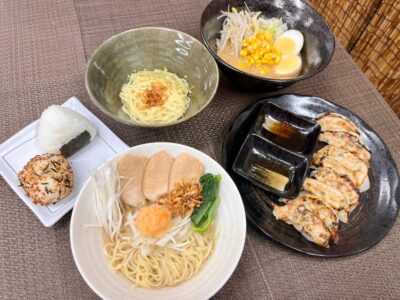
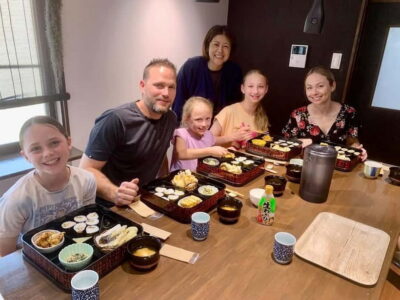
Japanese Washoku Bento Small Group Cooking Class
Read our review →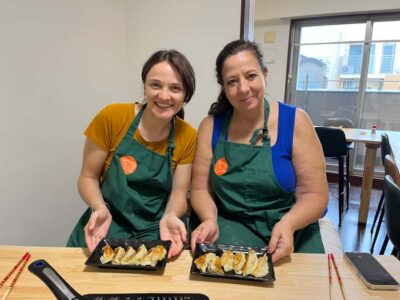

Easy Ramen Cooking Experience in Kabukicho, Shinjuku
Read our review →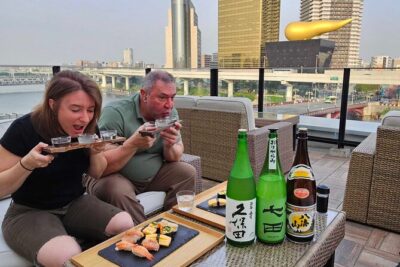
Ramen and Sushi Cooking Class with Sake Pairing Set in Tokyo
Read our review →Browse the lists this tour appears in