
Reviewed · TEA CEREMONY EXPERIENCES
Kyoto: Japanese Traditional Sweets Making and Tea Ceremony
Slow down over something sweet. This 95-minute Kyoto class gives you a hands-on look at Japanese food culture, from coloring bean paste to whisking Uji matcha. I like the use of bean paste from long-established Kyoto shops, and I like that you make two seasonal nerikiri sweets rather than simply watching a demonstration. The main consideration is language: instruction is in Japanese, with English help provided as much as possible, so some steps may require careful watching and copying.
The $18 price is excellent for a central Kyoto activity that combines food preparation, cultural explanation, and tea. I also like the relaxed, welcoming teaching style reported by many participants, especially for families and first-time matcha drinkers. Just keep your expectations in check: this is an introduction to tea etiquette and sweet making, not a long formal tea ceremony in a traditional tea house.
In This Review
- Key points at a glance
- Arriving near Gojo Station
- The first task: shaping seasonal nerikiri
- Why the Kyoto bean paste matters
- Learning the basics of Uji matcha
- English support and the teaching style
- How long the 95-minute schedule feels
- Value at $18 per person
- Who will enjoy this Kyoto class most
- Practical tips before you book
- Should you book it?
- FAQ
- Where is the Japanese sweets and tea experience held?
- How long does the activity last?
- What will I make during the class?
- Is the class taught in English?
- Is the activity wheelchair accessible?
- Can I take the sweets home?
- What is the cancellation policy?
Key points at a glance
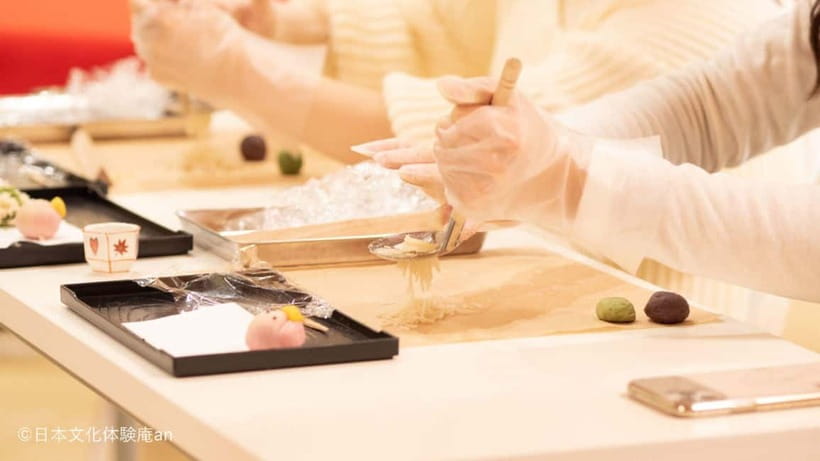
- Make two seasonal nerikiri sweets: Color and shape white bean paste into Japanese sweets modeled on flowers, fruit, or other seasonal designs.
- Use Kyoto-made bean paste: The white and red bean pastes come from long-established Kyoto shops, giving the food a genuine local connection.
- Prepare your own Uji matcha: You whisk the tea yourself, then enjoy it with the sweets you made.
- A short walk from Gojo Station: The meeting point is one minute from Exit 1 of the Subway Karasuma Line Gojo Station.
- A good rainy-day or family activity: The class is low intensity, creative, and suitable for children under the stated conditions, with children under two free when seated on a parent’s lap.
- English help varies: Some instructors explain in both languages with ease, while others rely more on gestures and demonstrations.
Arriving near Gojo Station
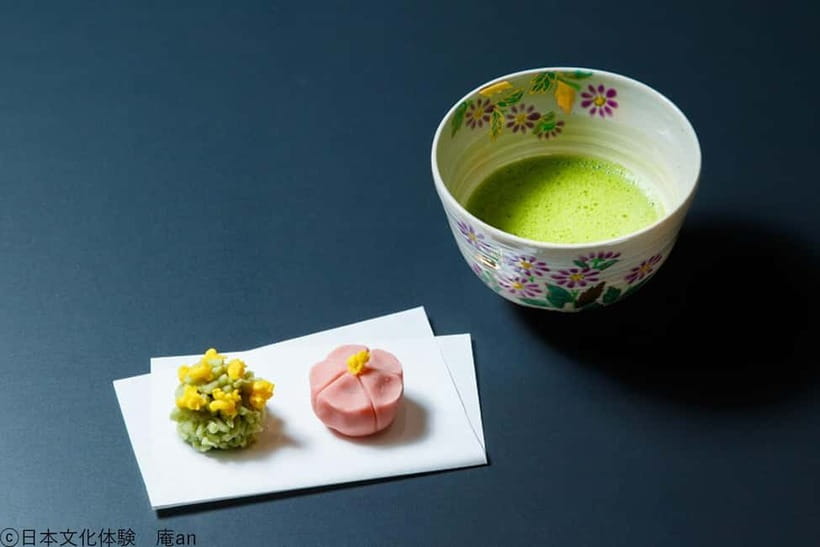
The meeting point is easy to reach in central Kyoto. From Exit 1 of Gojo Station on the Karasuma Line, walk about one minute. The entrance faces Gojo-dori, the main street, so you should not need to search through a maze of side lanes.
That location makes this class simple to fit into a Kyoto day. You can schedule it between visits to temples, shopping streets, or the station area without giving up half a day. The listed operating hours are 10:00 to 17:00, and available start times depend on the date.
Give yourself enough time to arrive. The class cannot be held for late arrivals, and the organizer warns that delays are not accommodated. That rule matters more here than it might for a casual café stop, since the activity moves through several timed stages.
The building has no elevator, and you need to use stairs to reach each venue. The activity is described as wheelchair accessible, but the stair information is important, so anyone with mobility concerns should confirm the current arrangement before booking.
More Dessert Tours in Kyoto
- Kyoto Wagashi(Japanese sweets) Cooking Class near Fushimiinari
★ 5.0 · 60 reviews - Kyoto: Wagashi (Japanese sweets) Cooking near Fushimiinari
★ 5.0 · 40 reviews - Kyoto: Traditional Tea Ceremony with Matcha & Sweets in Gion
★ 4.9 · 27 reviews
The first task: shaping seasonal nerikiri
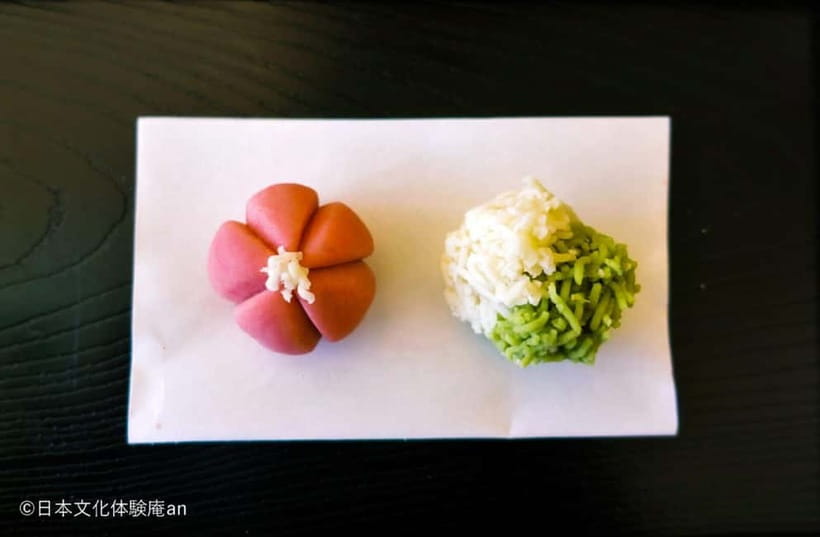
The class begins with nerikiri, a refined Japanese sweet made from colored white bean paste. Nerikiri is prized for its fine texture and careful shapes. It is often formed to suggest flowers, fruit, leaves, or other signs of the season.
You do not begin with a blank kitchen and a long list of ingredients. The main work is coloring and shaping prepared bean paste. That makes the activity approachable, especially if you are not comfortable cooking or if you are traveling with children.
The first step is coloring the white bean paste. This sounds simple, but the amount and placement of color affect the final look. From there, you form the paste into two sweets that match the season. The precise designs can change throughout the year, which gives the class a small connection to Kyoto’s seasonal food culture.
I like this format because it turns a familiar souvenir idea into a personal activity. Japanese sweets can look almost too perfect behind a shop counter. Here, you get to see how the color, layers, and shape come together, even if your own result looks more homemade than display-ready.
The activity is creative without being physically demanding. You will use your hands and follow a series of manageable steps, but there is no strenuous work. Several participants found the instructions clear and the pace comfortable. One parent described it as a suitable challenge for children aged 10 and 14, while another enjoyed making the sweets with children.
Still, do not expect a full confectionery lesson. The bean paste is already prepared, and the class focuses on coloring and shaping rather than cooking the paste from raw ingredients. If you want advanced wagashi training, this will feel introductory. For most visitors, that is part of the value: you get the fun part without spending hours on technical preparation.
Why the Kyoto bean paste matters
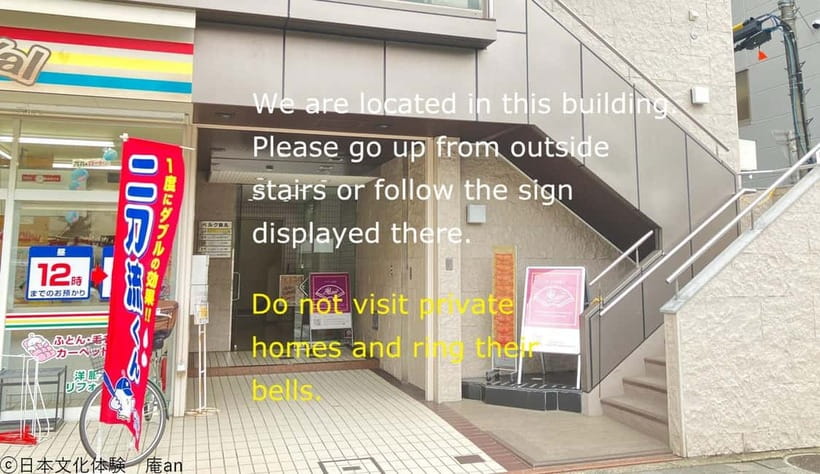
The class uses white and red bean paste produced by long-established Kyoto shops. That detail gives the activity more substance than a generic craft workshop using ordinary supermarket ingredients.
White bean paste, often called shiro-an, has a smooth and mild sweetness. Red bean paste, or anko, brings a fuller bean flavor. Both are common in Japanese sweets, but their taste can surprise anyone expecting cake, chocolate, or fruit-based desserts.
The sweets are high-grade Japanese confectionery, so their appeal is not only visual. Texture matters just as much as sweetness. The finished nerikiri should feel soft and smooth, with a gentle sweetness designed to work alongside bitter matcha.
If you already know you dislike red bean paste, you should think carefully before booking. The activity is still enjoyable as a cultural lesson, but the final tasting is built around bean-based sweets. If you like anko or want to try a classic Japanese flavor in a polished form, the tasting is one of the best parts.
Learning the basics of Uji matcha
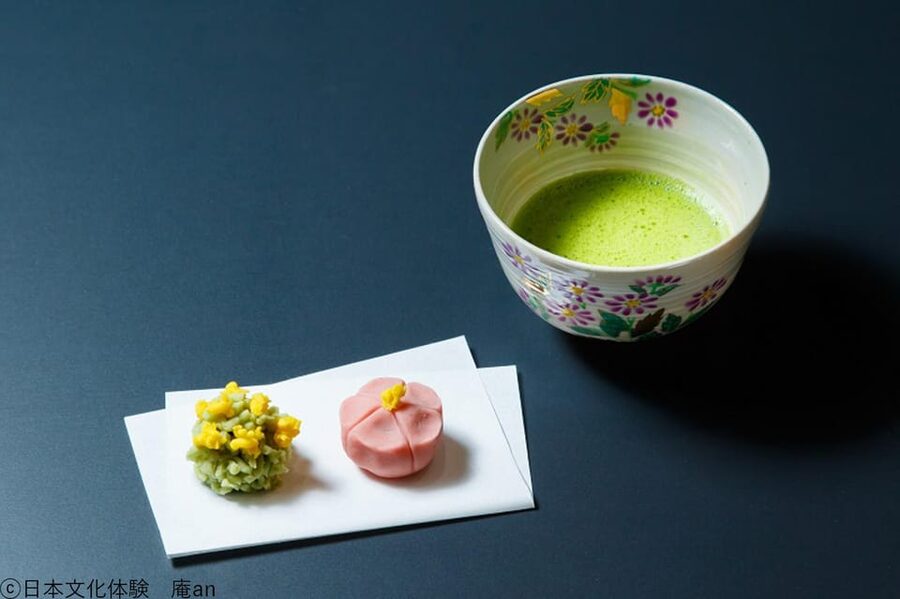
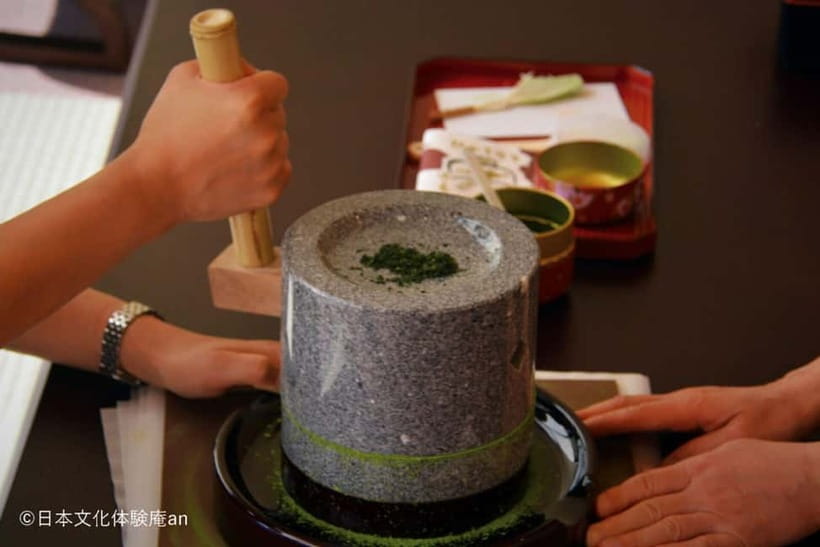
After making the sweets, you prepare your own matcha. The tea used here is single-origin Uji matcha, linking the tasting to one of Japan’s best-known tea-growing areas.
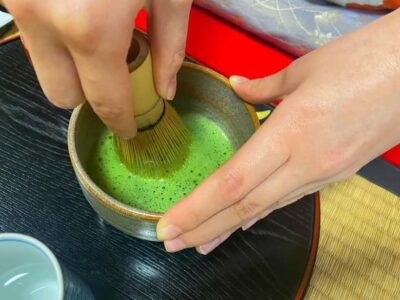
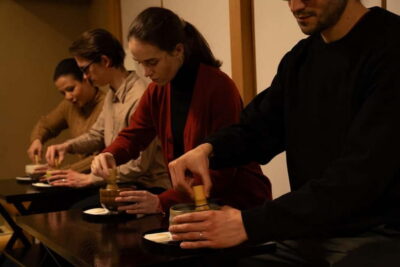
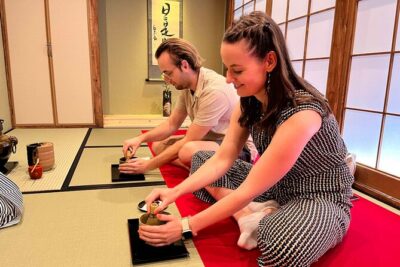
The matcha portion introduces the basic actions and etiquette of drinking the tea. You learn how to prepare it, how to handle the bowl, and how to enjoy it with the sweet. This is useful because matcha is not simply green tea poured into a cup. Its flavor is concentrated, grassy, and sometimes bitter, so the sweet is served as a balance.
The tea portion is brief. You should think of it as a lesson in matcha preparation and tea etiquette rather than a full formal ceremony with an extended ritual. One participant felt that the tea section moved too quickly and that the tea had cooled while the instructor explained the etiquette. Another described it as quick but informative.
That contrast is worth keeping in mind. If you want a quiet, ceremonial setting with a long sequence of formal movements, choose a dedicated tea ceremony elsewhere in Kyoto. If you want to understand the basic process and drink tea that you prepare yourself, this class offers a friendly starting point.
The instructor explains how to turn the bowl and how to drink it in the traditional manner. You then enjoy the matcha with the nerikiri you made earlier. The pairing is the point: the bean paste’s sweetness softens matcha’s bitterness, while the tea keeps the sweets from feeling heavy.
More Tea Ceremonies in Kyoto
- Kyoto: Tea Ceremony in a Traditional Tea House in Kiyomizu
★ 4.9 · 3,519 reviews - Kyoto: Tea Ceremony Ju-An at Jotokuji Temple
★ 4.9 · 3,207 reviews - Kyoto: 45-Minute Tea Ceremony Lesson Experience
★ 4.3 · 2,378 reviews - Kyoto: Table-Style Tea Ceremony at a Kyo-Machiya
★ 4.9 · 1,211 reviews
English support and the teaching style
The official language is Japanese, but English translation is provided as much as possible when requested. In practice, the English support can vary by instructor and group.
Some instructors switch naturally between Japanese and English. Several participants found the explanations easy to follow, and one noted that the instructor began adding English as soon as it became clear that non-Japanese speakers were present. Others found the English less detailed than the Japanese explanation, particularly during the matcha section.
The class remains possible for English speakers because the key actions are demonstrated in front of you. You can watch the instructor’s hands, copy the movements, and ask questions when needed. Still, I would contact the organizer in advance to request English support rather than assume every session will be fully bilingual.
A visual aid could make the class easier for everyone. One participant suggested a microphone headset and a screen showing close-up views of the instructor’s hands. That is useful advice, especially if the room is busy or if you are seated at the back.
The setting may sometimes include other groups. Some sessions have included Japanese junior high students, while other participants have shared the room with a separate sweet-making group. This can add an appealing local feel, but it may also create noise. If you value a quiet tea setting above all else, the group arrangement may disappoint.
How long the 95-minute schedule feels
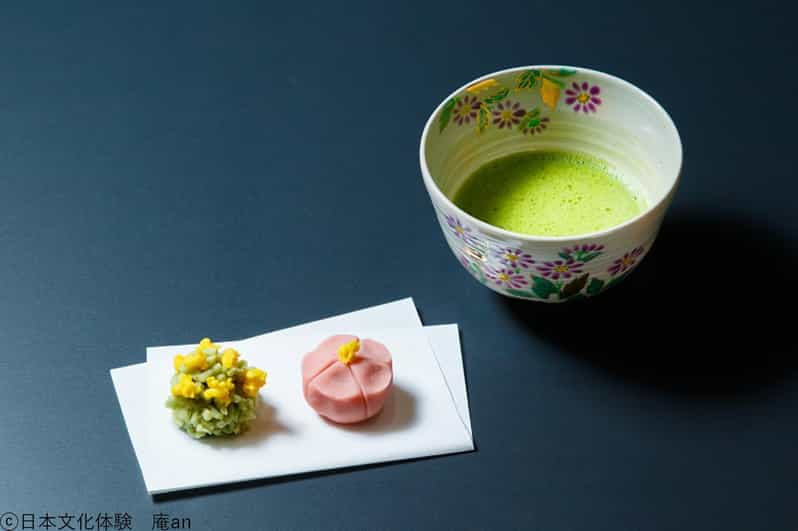
Ninety-five minutes is a sensible length for this activity. You have enough time to color and shape two sweets, prepare matcha, hear cultural explanations, and taste the finished food without giving up most of your day.
The sweet-making section gives you time to work through the steps without feeling like a rushed photo stop. At the same time, the class is not designed for lingering. Once the tea preparation begins, the pace can feel brisk, especially if the instructor must repeat directions in two languages or manage a larger group.
The activity works particularly well in the middle of a busy sightseeing day. You sit down, use your hands, and focus on a small set of tasks. In summer, the air-conditioned room can be a welcome break from Kyoto’s heat and humidity. On a rainy afternoon, it provides a useful indoor plan that still feels tied to the city.
You should avoid scheduling a tight connection immediately afterward. The class itself lasts 95 minutes, and you need to account for stairs, gathering your belongings, and returning to the station.
Value at $18 per person
At $18, this is one of the easier Kyoto activities to recommend on price alone. You receive two prepared sweets to make, a matcha preparation lesson, tea etiquette, and the chance to eat your own work. That is a fair amount for less than two hours in a central location.
The value improves if you are traveling with children or want an activity that does more than provide a quick tasting. Your child gets a creative task, a cultural explanation, and a finished food to enjoy. The work is calm and low intensity, so it does not require special fitness or cooking experience.
A sweets take-out box costs an additional 100 JPY. If you want to carry your creations away rather than eat them during the class, bring that small extra cost into your planning. An experience completion certificate costs 300 JPY and is optional.
There is no need to pay for a helper fee unless you specifically need assistance with a child. One participant found the extra helper unnecessary without a child in the group. That is a useful way to keep the total price close to the advertised amount.
Free cancellation is available up to 24 hours before the activity for a full refund, and you can reserve now and pay later. After the cancellation deadline, fees apply, including for changes made after a fee has been charged. The organizer does not cover transportation costs if you cancel, so check the terms before making a last-minute change.
Who will enjoy this Kyoto class most
I would choose this for you if you want a short cultural activity with something to eat at the end. It suits first-time visitors who want an introduction to Kyoto’s confectionery and tea traditions without committing to a formal ceremony.
Families should find the class manageable, especially with school-age children. The sweets offer a clear goal, and the tea section adds a calm finish. Young children may enjoy the colors and shapes, but children under two are only free when sitting on a parent’s lap, and non-participants cannot enter.
This is also a good choice for anyone who likes making things by hand. You do not need artistic talent, though the final sweets may look different from the instructor’s. That is part of the charm, and the tasting does not depend on perfect decoration.
I would be more cautious if your main goal is a traditional tea ceremony in a formal setting. The class teaches etiquette and preparation, but the tea portion is short and can feel more like instruction than ceremony. I would also hesitate if you strongly dislike bean paste or need detailed English explanations for every point.
Practical tips before you book
Book an early start if you want the day to feel less rushed. This gives you more room to reach Gojo Station, find the street-facing entrance, and settle in before the class begins.
Ask for English assistance when you reserve. The teaching can be very clear, but language ability varies. A request in advance may help the staff plan for your group.
Watch closely during the sweet-making demonstration. The techniques are hands-on, and the best view may not always be from your seat. If the room is busy, copy the visible movements first, then ask for help with details.
Plan to eat the sweets during the activity unless you add the 100 JPY take-out box. They are meant to be enjoyed with your matcha, and that pairing is a central part of the lesson.
Do not book this as a formal religious or ceremonial performance. You will learn the basic etiquette of matcha, prepare your own tea, and enjoy it with nerikiri. That is a useful and tasty introduction, but it is not the same as sitting through a long traditional tea ceremony.
Should you book it?
Yes, if you want good value, a central location, and a friendly introduction to two important parts of Kyoto food culture. The combination of seasonal nerikiri, Kyoto-made bean paste, and single-origin Uji matcha gives the 95-minute class a clear sense of place.
Book it especially for a rainy afternoon, a family outing, or a break from temple sightseeing. The main trade-offs are variable English support, possible room noise, stairs, and a tea portion that may feel too short for anyone seeking a formal ceremony.
For $18, I think the balance is very good. You make two sweets, learn how to prepare matcha, and leave with a better understanding of why Japanese confectionery is shaped by the seasons. Just arrive early, request English help, and come ready to copy the instructor’s hands as well as listen to the words.
FAQ
Where is the Japanese sweets and tea experience held?
It is one minute from Exit 1 of Gojo Station on Kyoto’s Subway Karasuma Line. The entrance faces Gojo-dori, the main street.
How long does the activity last?
The activity lasts 95 minutes.
What will I make during the class?
You will make two seasonal nerikiri sweets using colored white bean paste. You will also prepare your own matcha and enjoy it with the sweets.
Is the class taught in English?
The instructor’s official language is Japanese. English translation is provided as much as possible, and you can contact the organizer to request English assistance. The amount of English may vary by instructor.
Is the activity wheelchair accessible?
The activity is listed as wheelchair accessible, but the building has no elevator and stairs are required to reach each venue. Confirm the current access arrangements before booking if this affects you.
Can I take the sweets home?
Yes, but a sweets take-out box costs an additional 100 JPY.
What is the cancellation policy?
You can cancel up to 24 hours in advance for a full refund. Cancellation fees apply after that deadline, and the organizer does not compensate transportation expenses related to a cancellation.
Just added around Kyoto
- Kyoto: Private Customizable Day Trip by Car★ 5.0 · 38 reviews
- Kyoto: Gion Night Walking Tour with Geisha Insight★ 5.0 · 39 reviews
- Kyoto: Full Day Bike Tour★ 4.9 · 39 reviews
- Private Japanese Calligraphy in Kyoto – Learn Shodō with a Master★ 5.0 · 39 reviews
- Experience a tea ceremony in an authentic tearoom, in Kyoto!★ 4.5 · 41 reviews
- Kyoto: Gion Evening Walk with Hidden Gems, Geisha & Sake★ 5.0 · 41 reviews
- Kyoto Private Photo Shoot & Tour by SnapKyoto★ 5.0 · 41 reviews
- The Way of Tea: Kyoto Crafts, Hidden Temples & Wabi-Sabi Walk★ 5.0 · 41 reviews
Tea Ceremony Experiences, compared.
Tea Ceremony in a Traditional Tea House in Kiyomizu
Read our review →
Browse the lists this tour appears in