
Reviewed · COOKING CLASSES
Kyoto Wagashi(Japanese sweets) Cooking Class near Fushimiinari
Sweet making, Kyoto style. This small-group class brings you into an authentic Japanese house near Fushimi Inari, where you prepare three wagashi desserts, learn useful techniques, and enjoy the results with matcha. I especially like the maximum of six people, which keeps the lesson personal, and the garden view that gives the final tea time a calm Japanese setting. The $79.26 price is fair for a 2.5-hour class with ingredients, instruction, recipes, and tea included, though you should note that the class is conducted in English and does not include transportation.
I also like that you can work alone or with a partner, making this a good choice for solo visitors, couples, and families. Instructor Miho has earned praise for her relaxed, well-organized teaching, and the black sesame mochi and mitarashi dango have been particular highlights. The main consideration is timing: you need to reach the meeting point at 38-4 Fukakusa Watamoricho yourself, and cancellations made less than 24 hours before the start are not refundable.
In This Review
- Key points at a glance
- Entering a Japanese home near Fushimi Inari
- Why wagashi makes a good Kyoto food class
- The demonstration comes before your turn
- Three sweets, practical techniques, and recipes to keep
- Tea, sweets, and a garden view
- A good family and teenager activity
- How the $79.26 price measures up
- Language, dietary needs, and group size
- What to know before you book
- Should you book this wagashi class?
- FAQ
- Where does the wagashi cooking class meet?
- Where does the class end?
- How long does the experience last?
- How many people can join the class?
- Is the cooking class taught in English?
- Are ingredients and cooking supplies included?
- Is tea included?
- Can vegetarians or vegans join?
- What is the cancellation policy?
Key points at a glance
- Three wagashi desserts in 2.5 hours: You prepare about three Japanese sweets instead of simply watching a demonstration.
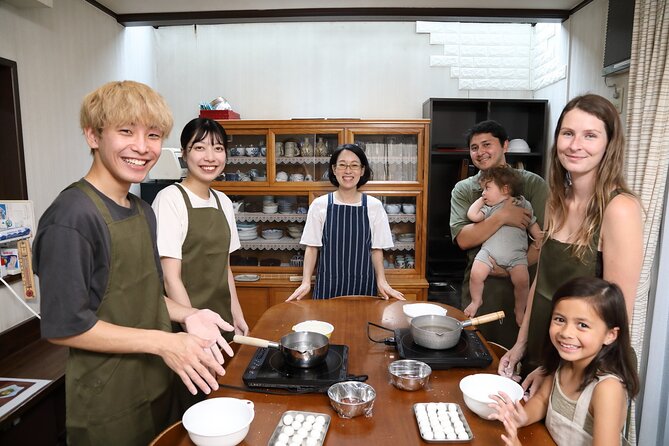
- A traditional Kyoto home: The class takes place in Japanese-style rooms with a garden view for the closing tea time.
- Small groups of six or fewer: You get a better chance to follow the techniques and ask questions.
- Black sesame mochi and mitarashi dango: These have been especially popular, giving you a taste of familiar Japanese flavors with hands-on preparation.
- Recipes to take home: You receive the recipes so you can try making the sweets for family and friends.
- Flexible dietary arrangements: Vegetarians are welcome, and the class can be vegan-friendly if you share dietary restrictions in advance.
Entering a Japanese home near Fushimi Inari
The class begins at 38-4 Fukakusa Watamoricho in Kyoto’s Fushimi Ward. It is near public transportation, but hotel pickup and drop-off are not included, so you need to plan your own route to the house.
The setting is part of the appeal. Rather than meeting in a large commercial cooking studio, you enter an authentic Japanese-style home. The atmosphere is intended to feel like being invited over by a friend for tea, which gives the lesson a more personal tone than a standard food demonstration.
You will first relax in a traditional Japanese room. This opening matters because it slows the pace before the cooking begins. Kyoto sightseeing can involve a lot of walking, crowds, and sensory overload, so a quiet room and garden view offer a welcome change of rhythm.
The exact route from Fushimi Inari or the nearest station is not specified, so allow enough time to find the address. A mobile ticket is provided, which makes access easier, but I would still keep the meeting address available on your phone before leaving your hotel.
More Cooking Classes in Kyoto
- Ramen Cooking Class at Ramen Factory in Kyoto
★ 5.0 · 1,937 reviews - Kyoto: Ramen Cooking Class at a Ramen Factory with Souvenir
★ 4.9 · 532 reviews - Kyoto: Ramen, Gyoza, and Onigiri Cooking Class
★ 5.0 · 445 reviews
Why wagashi makes a good Kyoto food class
Wagashi are Japanese sweets often served with tea. They are not just sugary snacks. Their shapes, colors, textures, and seasonal associations are part of Japanese food culture, and some varieties are familiar from Japanese manga and anime.
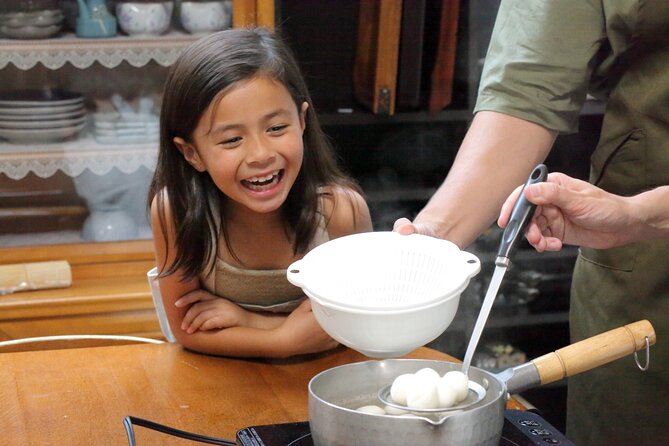
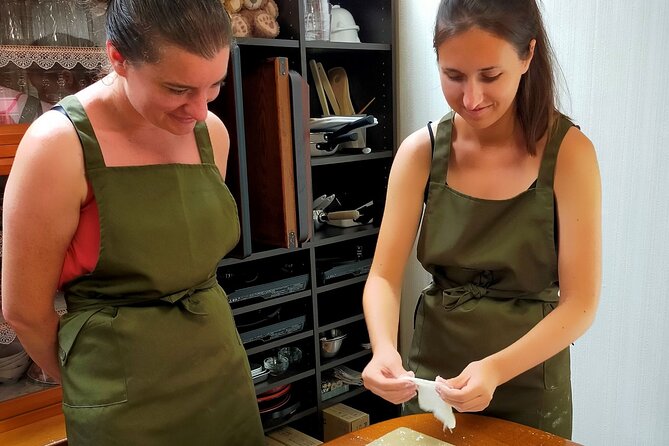
This class gives you a way to understand those sweets through your hands. You do not simply taste a finished confection and move on. You see the instructor demonstrate the process, then prepare the desserts yourself or with a partner.
That distinction is important. Wagashi often look simple when finished, but small differences in mixing, shaping, or handling can change the result. A demonstration helps you see the method first, while the hands-on portion lets you learn by trying.
The class covers about three different sweets. The exact menu may vary, but mitarashi dango and black sesame mochi are specifically associated with the experience. Mitarashi dango combines chewy rice dumplings with a sweet soy-based sauce, while black sesame gives mochi a nutty, fragrant flavor. One particularly enthusiastic response focused on the black sesame dessert, so it is worth paying attention if that flavor appears during your session.
The demonstration comes before your turn
After the introduction, the instructor demonstrates how to prepare the sweets. This is a useful structure for beginners because you can watch the full process before handling ingredients yourself.
The instructors are English-speaking licensed guide interpreters. That means the lesson is designed to explain not only what to do, but also the information behind the food. The class is conducted entirely in English, so you should be comfortable following spoken English instructions.
You then prepare the sweets on your own or with a partner. Solo participants are welcome, and the small group size should make it easier to keep up. Families can work together, although the activity still allows each person to take part rather than leaving all the cooking to one confident family member.
One useful lesson from the feedback is that the class is forgiving. A family experience included some failed attempts by the adults and better results from the teenagers, with plenty of laughter along the way. That is a good sign for anyone worried about making a perfect first batch. The point is to learn the process and enjoy the food, not to produce display-window pastries.
Three sweets, practical techniques, and recipes to keep
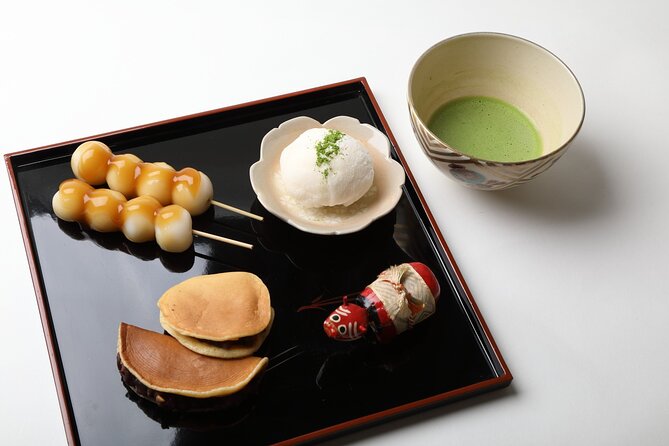
The best part of the class is the balance between variety and manageable timing. Preparing roughly three kinds of wagashi in 2.5 hours gives you enough range to notice different methods without turning the afternoon into a rushed production line.
You can expect to see different textures and preparation steps across the sweets. The class description does not provide the full menu or detailed cooking techniques, so I would not book it expecting a particular recipe beyond the named examples. Instead, think of it as an introduction to several popular Japanese desserts.
All seasonings and ingredients are included. You do not need to shop for specialty items or bring cooking supplies. This makes the price easier to judge, since the fee covers the food used during the lesson as well as the instruction.
You also receive all the recipes prepared during the class. That adds lasting value. You can use the recipes at home for friends and family, and the unusual flavors can become a practical souvenir from Kyoto. Food souvenirs are often easier to enjoy than fragile objects, and a recipe gives you a way to repeat the memory.
Still, recipes alone do not guarantee an easy home result. Wagashi ingredients and tools may not be common in every country, and the class description does not promise that all ingredients are easy to find abroad. You will leave with instructions, but you may need to visit an Asian grocery store or find substitutions later.
More Dessert Tours in Kyoto
- Kyoto: Japanese Traditional Sweets Making and Tea Ceremony
★ 4.4 · 314 reviews - Kyoto: Wagashi (Japanese sweets) Cooking near Fushimiinari
★ 5.0 · 40 reviews - Kyoto: Traditional Tea Ceremony with Matcha & Sweets in Gion
★ 4.9 · 27 reviews
Tea, sweets, and a garden view
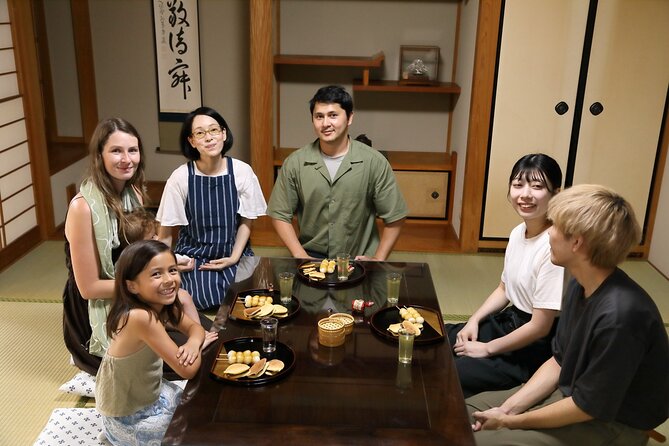
Once the cooking is finished, you sit with the other participants in the traditional Japanese room. You enjoy the sweets you made together with matcha, coffee, or tea, depending on what is served.
This final portion gives the class a clear sense of place. You are not eating at a generic break table. You are sitting in a Japanese room and looking toward a garden, with the food you prepared in front of you.
I like this ending because it turns the class into more than a cooking lesson. You have time to appreciate the results, compare the different sweets, and enjoy a quiet pause. It also gives you a chance to ask final questions or talk with the instructor and the other members of the small group.
The tea service is included, but the exact choice of coffee or tea is not specified. Matcha is specifically part of the traditional tasting, so tea fans should find this especially appealing. If you are not used to matcha, expect a strong, grassy flavor rather than the sweetness of a typical Western dessert drink.
A good family and teenager activity
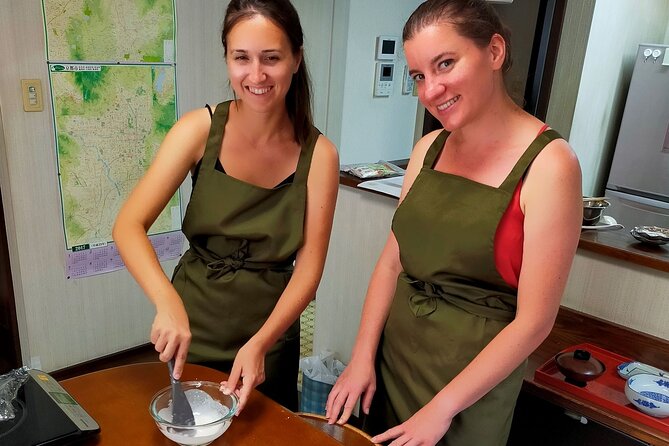
This class works particularly well for families. Children and teenagers can take an active role, and the process has a clear reward at the end. The reported family experience suggests that different skill levels are not a problem, and the relaxed style helps keep mistakes from becoming stressful.
It is also a sound option for a rainy-day plan in principle, but there is an important qualification: the activity requires good weather and may be canceled if conditions are poor. If that happens, you are offered another date or a full refund. Keep a little flexibility in your Kyoto schedule if possible.
Solo visitors should not feel awkward booking. The group maximum is six, and the format allows you to prepare sweets alone or with a partner. A small class is much better for solo participation than a large workshop where pairs form immediately and the instructor has little time for individual help.
Couples can also enjoy the shared task, especially if you want an activity that is quieter and more focused than a major sightseeing stop. This is not a performance or a quick tasting. You spend time making something together.
How the $79.26 price measures up
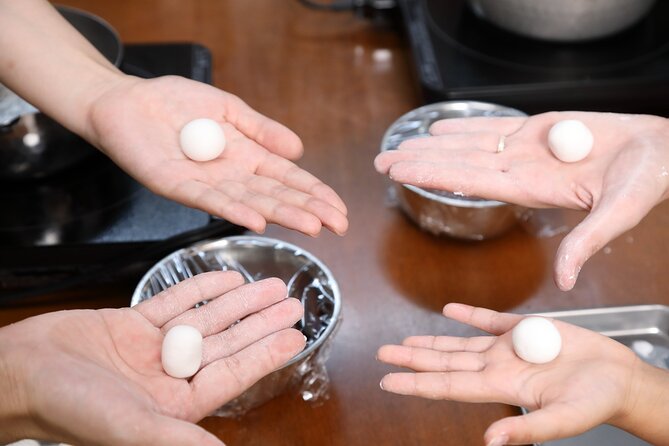
At $79.26 per person, this is not a bargain snack stop. You are paying for approximately 2 hours and 30 minutes, a small group, an English-speaking instructor, ingredients, seasonings, taxes, tea or coffee, and the recipes.
The value improves if you care about learning rather than simply eating. Three sweets give you more than one short demonstration, and the recipe collection gives the experience some use after you return home. The traditional house and garden setting also add something that a regular cooking classroom may not provide.
The price is less compelling if you mainly want to taste wagashi. Kyoto has many places where you can buy Japanese sweets without spending two and a half hours in a class. This experience earns its cost through participation, explanation, and the calm setting.
Gratuity is not included. Tipping customs in Japan differ from those in many other countries, so do not assume a tip is required. If you want to offer one, ask the instructor or organizer about the preferred approach.
The activity is often booked about 29 days ahead. That does not mean you must reserve exactly a month early, but the six-person limit can make advance planning sensible, especially for families or groups hoping to attend on a particular day.
Language, dietary needs, and group size
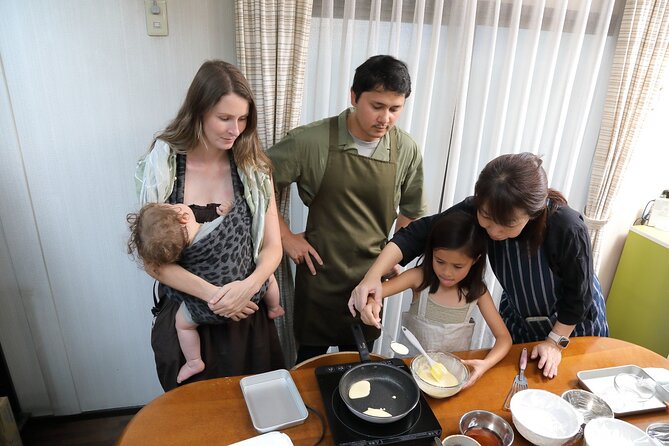
The teaching is in English, and the instructors are licensed guide interpreters. You should be able to understand the main instructions in English to get the most from the class.
The description also says the activity can accommodate non-English speakers, but it does not explain the exact language support available. If someone in your party does not understand English, contact the provider before booking rather than relying on guesswork.
Vegetarians are welcome. The class can also be vegan-friendly, but you must share dietary restrictions in advance. This is important because Japanese sweets can include ingredients that are not obvious from appearance, and the organizer needs time to prepare appropriately.
With a maximum of six people, the class should feel more like a small workshop than a crowded public demonstration. The small size is one of the strongest reasons to choose it. You have a better chance of seeing the instructor’s hand movements clearly and receiving help during shaping or preparation.
What to know before you book
Plan your own transportation to the meeting point. The activity ends at the same location, so you do not need to arrange a second pickup point, but you also do not receive a ride back to your hotel.
The total duration is about 2 hours and 30 minutes. Add time for reaching the house and continuing to your next Kyoto stop. Since the class ends where it begins, it can fit neatly before or after sightseeing in the Fushimi Inari area, provided your schedule allows enough travel time.
The class offers free cancellation up to 24 hours before the start time. Cancel at least 24 hours in advance for a full refund. Changes or cancellations made later are not accepted for a refund, and the cutoff uses local Kyoto time.
Because poor weather can cause cancellation, avoid placing this class immediately before a flight or another booking that cannot move. If the organizer cancels for weather, you are offered a different date or a full refund.
Should you book this wagashi class?
I would book this class if you want a hands-on food activity, enjoy Japanese sweets, or need a slower Kyoto experience away from the usual temple routine. It is especially well suited to families, teenagers, solo visitors, couples, and anyone curious about the desserts seen in Japanese manga or anime.
I would skip it if you only want a quick taste, dislike sweet foods, or prefer an unstructured afternoon. The price reflects instruction and participation, not just a plate of desserts.
For most people, the strongest reasons to book are the six-person limit, the friendly teaching style associated with Miho, the chance to make black sesame mochi or mitarashi dango, and the garden-view tea time. Just reserve early, confirm dietary needs, check the weather, and allow time to find the house near Fushimi Inari.
FAQ
Where does the wagashi cooking class meet?
The meeting point is 38-4 Fukakusa Watamoricho, Fushimi Ward, Kyoto, 612-0022, Japan.
Where does the class end?
The activity ends back at the meeting point.
How long does the experience last?
The class lasts approximately 2 hours and 30 minutes.
How many people can join the class?
The group has a maximum of six participants.
Is the cooking class taught in English?
Yes. The classes are conducted entirely in English, and the instructors are licensed guide interpreters.
Are ingredients and cooking supplies included?
Yes. All seasonings and ingredients used for the class are included.
Is tea included?
Yes. Coffee and/or tea is included, with matcha served as part of the traditional sweets experience.
Can vegetarians or vegans join?
Vegetarians are welcome, and the class can be vegan-friendly. You need to tell the organizer about dietary restrictions in advance.
What is the cancellation policy?
You can cancel at least 24 hours before the start time for a full refund. Cancellations or changes made less than 24 hours before the start are not refunded or accepted. If poor weather causes the organizer to cancel, you are offered another date or a full refund.
Just added around Kyoto
- Kyoto Gion Walking Tour for First Time Visitors★ 5.0 · 37 reviews
- Kyoto: Gion Geisha District & Sake-in-Hand Walking Tour★ 5.0 · 37 reviews
- Bamboo LED Lantern Making Experience in Kyoto Arashiyama★ 5.0 · 38 reviews
- Tea Ceremony Experience in Traditional Kyoto Townhouse★ 5.0 · 38 reviews
- Kyoto: Gion Night Walking Tour with Geisha Insight★ 5.0 · 39 reviews
- Kyoto: Private Customizable Day Trip by Car★ 5.0 · 38 reviews
- Kyoto: Full Day Bike Tour★ 4.9 · 39 reviews
- Private Japanese Calligraphy in Kyoto – Learn Shodō with a Master★ 5.0 · 39 reviews
Cooking Classes, compared.
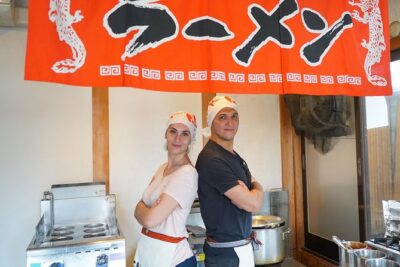
Ramen Cooking Class at Ramen Factory in Kyoto
Read our review →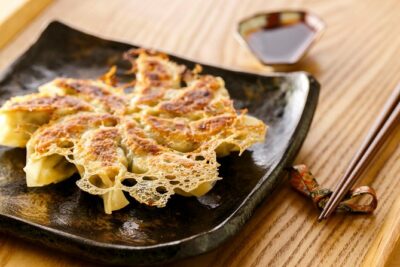
Ramen & Gyoza Cooking Class in Tokyo with Local Supermarket Visit
Read our review →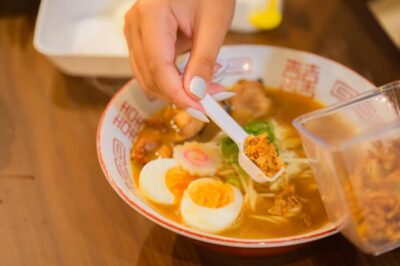
Ramen Cooking Class at a Ramen Factory with Souvenir
Read our review →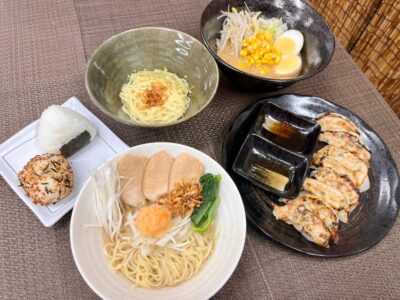
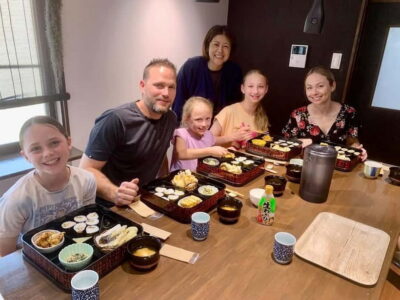
Japanese Washoku Bento Small Group Cooking Class
Read our review →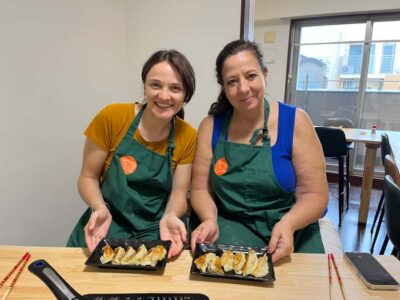

Easy Ramen Cooking Experience in Kabukicho, Shinjuku
Read our review →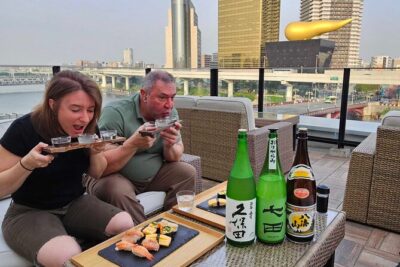
Ramen and Sushi Cooking Class with Sake Pairing Set in Tokyo
Read our review →Browse the lists this tour appears in