
Reviewed · COOKING CLASSES
Osaka Okonomiyaki Cooking Experience!
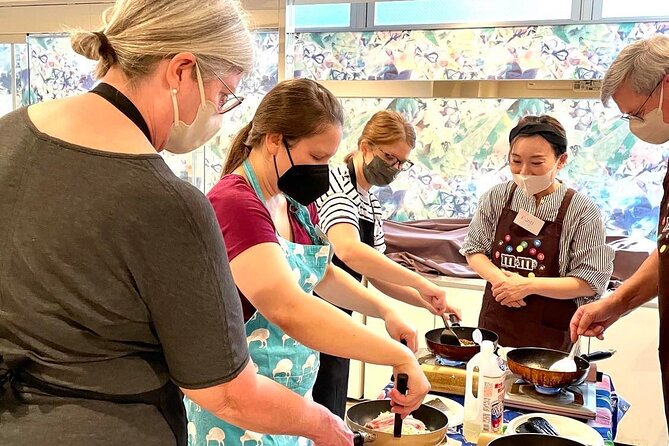
Osaka tastes best at the griddle. This two-hour okonomiyaki cooking class brings you into a small hostel near Nagahoribashi, where Keiko, her mother, and invited Osaka locals teach you to make the city’s famous savory pancake. I like the personal feel of a class capped at six people, and I like that you eat what you cook while chatting with local residents. The main consideration is the shared cooking setup, which means cross-contamination is possible.
The $49.55 price is fair for a hands-on meal, a lesson in Osaka food culture, and a social evening in one package. Keiko’s clear English, patient instruction, and practical recipes make this more useful than a demonstration where you only watch. Just remember that the class begins at 4 p.m., and dietary requests need to be made clear in advance.
In This Review
- Key points to know before you book
- Why this Osaka cooking class feels different
- Meeting Keiko near Nagahoribashi at 4 p.m.
- The welcome, aprons, and local setting
- Learning the story behind Osaka-style okonomiyaki
- Mixing, cooking, and getting your first pancake right
- Eating together and meeting Osaka locals
- Dietary requests and kitchen cautions
- What the $49.55 price includes in practical terms
- Who will enjoy this class most
- Small details that make the experience memorable
- Should you book the Osaka okonomiyaki class?
- FAQ
- Where does the okonomiyaki cooking class meet?
- What time does the class begin?
- How long does the activity last?
- What dishes do you learn to make?
- How many people can join?
- Can vegan, vegetarian, or Halal requests be accommodated?
- What is the cancellation policy?
Key points to know before you book
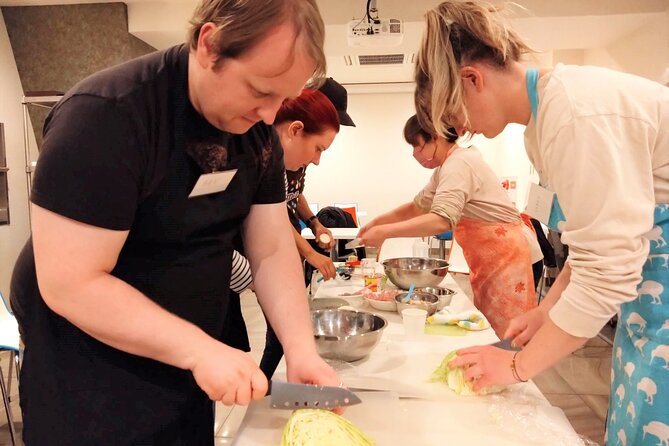
- Cook, do not just watch: You prepare your own Osaka-style okonomiyaki and miso soup.
- A six-person maximum: The small group leaves room for questions and personal help at the griddle.
- Local conversation is part of the meal: Keiko often invites Osaka friends to join the class and chat.
- Keiko and her mother host the class: Their warm, family-style approach is one of its strongest features.
- A practical recipe for home: The method uses ordinary cooking equipment, so you can recreate it outside Japan.
- Dietary requests are possible: Vegan, vegetarian, and Halal requests can be accommodated, but cross-contamination remains possible.
Why this Osaka cooking class feels different
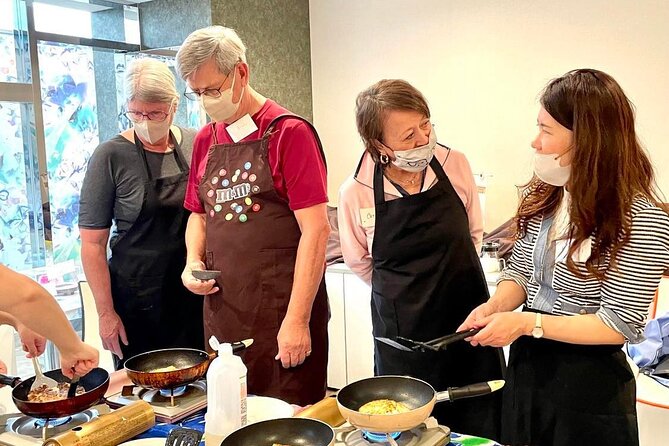
Osaka has no shortage of food. You can eat okonomiyaki at restaurants all over the city, often cooked right in front of you. That is fun, but it leaves you on the outside of the process.
This class puts you at the center of it. You mix ingredients, learn how the batter works, cook your own pancake, and sit down with the group to eat. The dish becomes more than a plate of food. You learn how it fits into everyday Japanese home cooking and how Osaka-style okonomiyaki differs from the Hiroshima version.
I especially like the social setup. Keiko has been running the experience since 2015 and often invites Osaka friends to join the cooking and conversation. That gives you a chance to speak with local people rather than spending the whole afternoon with only a professional guide.
The class also works well for solo visitors. A small group gives you an easy reason to talk with people from other countries, and the meal at the end naturally brings everyone together. Several past participants also used the class as a comfortable place to practice Japanese, while local assistants practiced English.
More Cooking Classes in Osaka
- Osaka: Ramen and Gyoza Cooking Class in Dotonbori
★ 5.0 · 378 reviews - Osaka Cooking Class: Okonomiyaki &Japanese cuisines experience
★ 5.0 · 261 reviews - Ramen and Gyoza Cooking Class in Osaka
★ 5.0 · 202 reviews
Meeting Keiko near Nagahoribashi at 4 p.m.
The meeting point is 1-chōme-1-3 Higashishinsaibashi, Chuo Ward, Osaka, 542-0083, near Nagahoribashi subway station. The activity begins at 4 p.m. and finishes back at the same location, with a total duration of about two hours.
That timing works nicely as an early dinner. You can spend the afternoon sightseeing, arrive for the class, then finish with a filling meal without needing to find a restaurant afterward. Keiko can also offer the activity at night on some days, but that depends on availability.
Because the class takes place near public transportation, you do not need to build a complicated transfer plan. Still, allow enough time to find the exact entrance. An Osaka street address can be less obvious than the nearest station, so arriving early is a sensible move.
The mobile ticket and booking confirmation keep the practical side simple. The group limit is six people, though a smaller turnout is possible. One person has even attended alone on a quiet date, turning the class into an especially personal conversation with Keiko and her assistants.
The welcome, aprons, and local setting
The class takes place in a hostel setting rather than a formal culinary school. That matters. The atmosphere is casual, and the focus is on cooking together instead of sitting through a polished stage presentation.
Keiko leads the lesson, with help from her mother and other local assistants. Her mother has made the aprons from kimono fabric, and some participants have received small tote bags or pouches made from used kimono material. These gifts are not the reason to book the class, but they add a thoughtful, handmade touch.
You might also find that the room functions as a language or cultural meeting place. The class is not only a lesson in ingredients and cooking technique. It is a chance to exchange stories, ask questions about Japanese life, and share ideas about what you might put into okonomiyaki at home.
That informal setting has one tradeoff. If you want a sleek cooking studio, restaurant kitchen, or highly structured professional course, this may feel more homespun than expected. If you prefer meeting people and learning in a relaxed room, the setting is part of the appeal.
Learning the story behind Osaka-style okonomiyaki
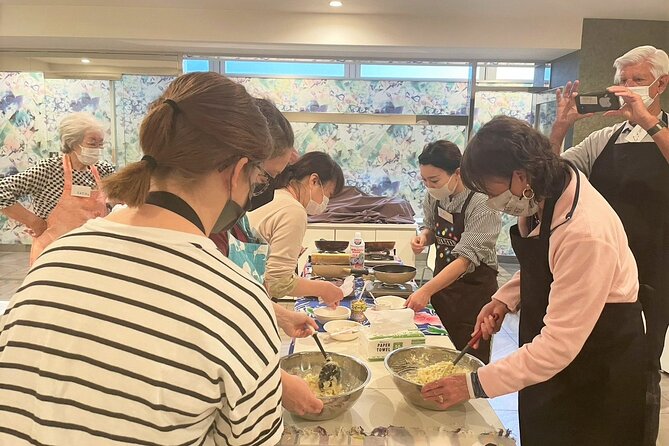
The lesson begins with an explanation of okonomiyaki, its background, and its regional variations. You learn about the Osaka style and hear how it differs from Hiroshima-style okonomiyaki.
The word is often explained as cooking what you like, and that idea comes through in the class. The recipe gives you a reliable starting point, but Keiko also explains how to adapt the dish with ingredients available in your own country. That practical advice is one of the best reasons to take a class instead of simply eating the finished dish.
The dish is sometimes described to visitors as a Japanese pizza or pancake. Neither comparison is perfect, but both help you understand the basic idea: a savory batter mixed with other ingredients and cooked on a hot surface. The lesson shows you how to make a simple version without requiring special equipment.
You also prepare miso soup. This broadens the class beyond one famous Osaka dish and gives you a second basic recipe for your home kitchen. Some sessions include mochi dessert as well, but the supplied details do not guarantee it at every class, so treat that as a possible extra rather than a promise.
A completely different kind of day out in Osaka:
- Osaka Go Karting Tour with Funny Costume
★ 5.0 · 2,658 reviews - Osaka Castle: Museum and Tower Entry Ticket
★ 4.5 · 2,380 reviews - Osaka: Shinsekai Food Tour with 13-15 Dishes at 5 Eateries
★ 4.8 · 2,204 reviews - Osaka Food Tour: 13 Dishes at 5 Local Eateries
★ 5.0 · 2,149 reviews
Mixing, cooking, and getting your first pancake right
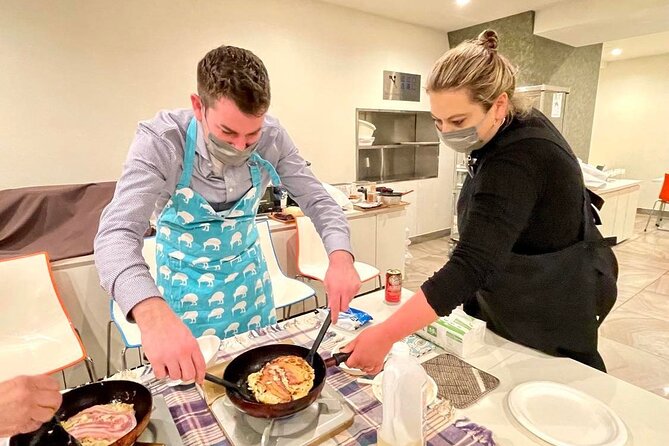
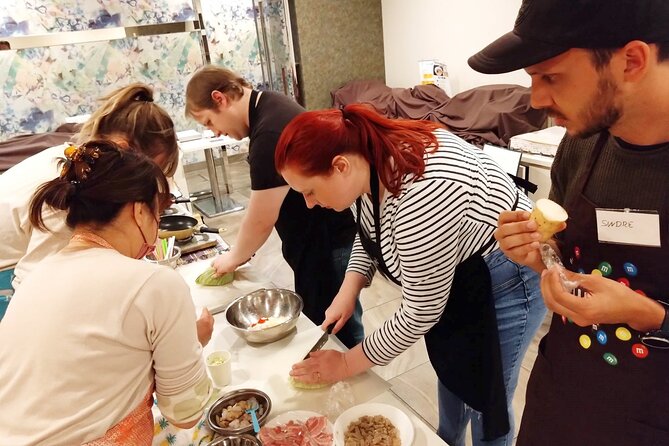
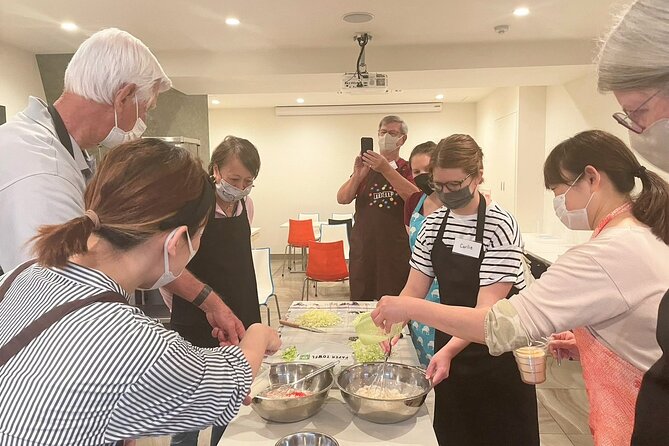
The practical part is hands-on. Keiko explains the ingredients and method, then you take part in preparing and cooking the food. The recipe is designed to be easy to follow, even if you do not cook Japanese food regularly.
That simplicity is useful. You do not need a specialized griddle or hard-to-find kitchen tool to recreate the dish at home. The class is meant to help you cook okonomiyaki after returning home, using local ingredients and your own variations.
You still get guidance when you need it. With no more than six people, Keiko and her assistants can watch your technique, answer questions, and help you through the cooking process. That is a major advantage over a large class where the instructor may only demonstrate once from the front of the room.
Do not expect every pancake to look perfect. Part of the fun is making your own first attempt, and the class gives you enough support to produce something you will be happy to eat. The point is not culinary theater. It is learning a useful dish and enjoying the process.
Eating together and meeting Osaka locals
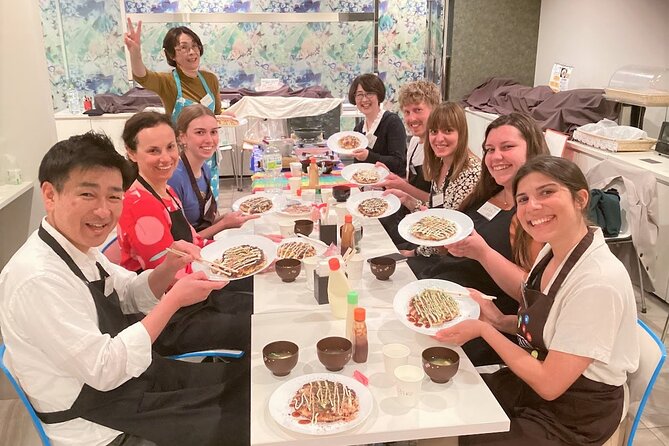
Once the food is ready, everyone sits down to eat together. This shared meal is the heart of the experience.
Keiko usually invites Osaka friends to join the class, so the table can include both international participants and local people. That mix creates a natural conversation about food, family routines, local ingredients, and life in Japan. You may also compare ideas for future versions of okonomiyaki based on ingredients from different countries.
I like this part because it gives the class a human scale. You are not simply receiving information about Osaka. You are making food with people who live there, then sharing the result in the same room.
The social side also makes this a good choice if you are traveling alone or want a low-key evening activity. Couples and families fit well too. One family with children aged eight and eleven found that everyone could take part, and the patient instruction helped younger cooks stay involved.
The only caution is that the social experience depends partly on the group assembled that day. With six people, conversation is likely to be manageable, but the exact mix of personalities and languages will vary.
Dietary requests and kitchen cautions
Keiko can accommodate vegan, vegetarian, and Halal requests. You should communicate your needs when booking or as early as possible so the preparation can be adjusted.
There are two important cautions. Ingredients may contain refined sugar, and the class is taught in a shared group setting where cross-contamination is possible. If you have a serious allergy, religious restriction, or medical dietary requirement, ask for precise ingredient information before committing.
For a vegan version, the class can use local vegetables and adapt the recipe. That flexibility has been especially useful for people who want to take the method home and create their own version. Still, accommodation does not mean a separate allergy-controlled kitchen.
What the $49.55 price includes in practical terms
At $49.55 per person, the class costs more than ordering an okonomiyaki at a casual restaurant. That comparison is fair, but incomplete.
You are paying for more than the meal. The price includes roughly two hours of instruction, hands-on cooking, miso soup preparation, conversation with local people, and the chance to learn a recipe you can use again. The small group also means you are paying for access to the host’s attention, not just a seat at a large demonstration.
The value is strongest if you enjoy cooking or want a food memory that continues after your trip. You can use the technique for family meals, informal parties, or a simple dinner with ingredients from home. Several participants appreciated that no special equipment is needed.
The value is weaker if you only want to sample Osaka food quickly. In that case, a restaurant will be cheaper and faster. This activity makes sense when the learning and conversation matter as much as the meal.
The experience is often booked about 45 days ahead. That suggests you should reserve early if your Osaka schedule is tight, especially if you want a particular date. Free cancellation is available until 24 hours before the start time. A cancellation made less than 24 hours before the class is not refunded, and late changes are not accepted.
Who will enjoy this class most
I would point this class toward several types of visitors:
- First-time visitors to Osaka: You get a direct introduction to one of the city’s best-known comfort foods.
- Solo visitors: The small group and shared meal make conversation easy without forcing a formal social event.
- Families with older children: Everyone can participate, and the cooking format gives children something active to do.
- Vegetarians and vegans: Requests can be accommodated, subject to the cross-contamination warning.
- Home cooks: The simple method and flexible ingredients make the lesson useful after you return home.
- People interested in language exchange: You can practice Japanese and help local participants practice English.
You may want to skip it if your schedule allows no flexibility around the 4 p.m. start, if you dislike group cooking, or if you need a strictly controlled kitchen for allergies. It is also not the best fit if your only goal is a quick restaurant meal.
Small details that make the experience memorable
The food is the main reason to come, but the little touches help explain the strong response to the class. Keiko’s mother makes the kimono-fabric aprons, and handmade bags may be given as gifts. Those details make the setting feel personal rather than commercial.
Keiko’s English is described as strong and clear, and her teaching style is patient. She explains both the steps and the reasons behind them, then gives you room to ask questions. Written recipe information may be sent afterward, although you should not rely on receiving it immediately or treat it as a replacement for paying attention during class.
The class also has a useful balance between instruction and conversation. You learn the history and regional differences of okonomiyaki, but you do not spend the entire two hours listening to a lecture. You cook, talk, eat, and leave with a method you can try again.
Should you book the Osaka okonomiyaki class?
Book it if you want a friendly, hands-on introduction to Osaka food and local life. The strongest reasons are the six-person limit, Keiko’s patient teaching, the involvement of her mother and local friends, and the fact that you prepare and eat your own meal.
The $49.55 cost is sensible for a two-hour cooking lesson and dinner, especially if you value conversation and a recipe you can carry home. I would reserve ahead, confirm any dietary needs, and allow extra time to find the Higashishinsaibashi meeting point.
Skip it only if you want a quick bite, a formal cooking school, or a fully controlled allergy-free kitchen. For everyone else, this is a warm and practical way to meet Osaka through the food people make and share at home.
FAQ
Where does the okonomiyaki cooking class meet?
The meeting point is 1-chōme-1-3 Higashinsaibashi, Chuo Ward, Osaka, 542-0083, Japan. It is near Nagahoribashi subway station.
What time does the class begin?
The listed start time is 4 p.m. The host may offer a nighttime session on some days, depending on availability.
How long does the activity last?
The cooking experience lasts about two hours and ends back at the meeting point.
What dishes do you learn to make?
You learn to prepare Osaka-style okonomiyaki and miso soup. Some sessions may also include mochi dessert, but that is not stated as a guaranteed part of every class.
How many people can join?
The activity has a maximum of six participants.
Can vegan, vegetarian, or Halal requests be accommodated?
Yes. The host states that vegan, vegetarian, and Halal requests can be accommodated. Ingredients may contain refined sugar, and cross-contamination is possible in the group lesson.
What is the cancellation policy?
You can cancel at least 24 hours before the local start time for a full refund. Cancellations and changes made less than 24 hours before the activity are not accepted for a refund.
Just added around Osaka
- Osaka Food Tour with 10 Classic Japanese Tastings & Drinks★ 5.0 · 38 reviews
- Osaka: Highlights & Hidden Gems Private Walking Tour★ 4.7 · 38 reviews
- Kyoto private tour (Shore excursion available from Osaka or Kobe port)★ 5.0 · 39 reviews
- Osaka Private Day Trip – Enjoy Your First-Time Visit to Osaka!★ 5.0 · 39 reviews
- Kyoto & Nara & Uji: Full Day Sightseeing Tour from Osaka or Kyoto★ 4.5 · 39 reviews
- Authentic SUSHI Course Cooking Class★ 5.0 · 39 reviews
- Osaka: Mind & Spirit Balance Temple Reiki Healing★ 5.0 · 41 reviews
- Osaka Afternoon Walking Tour with Osaka River Cruise★ 3.5 · 42 reviews
Cooking Classes, compared.
Ramen Cooking Class at Ramen Factory in Kyoto
Read our review →
Ramen & Gyoza Cooking Class in Tokyo with Local Supermarket Visit
Read our review →
Ramen Cooking Class at a Ramen Factory with Souvenir
Read our review →
Japanese Washoku Bento Small Group Cooking Class
Read our review →

Easy Ramen Cooking Experience in Kabukicho, Shinjuku
Read our review →
Ramen and Sushi Cooking Class with Sake Pairing Set in Tokyo
Read our review →Browse the lists this tour appears in