
Reviewed · TEA CEREMONY EXPERIENCES
Private Kyoto Sushi Cooking Class & Tea Ceremony with Emika
Good food opens doors to real Kyoto. This three-hour home cooking experience brings you into Emika’s Kyoto residence to prepare sushi or seasonal Obanzai dishes, then sit down together for the meal. I especially like the use of vegetables from Emika’s own organic garden and the chance to learn practical Japanese cooking tips you can use at home. I also like that the class is private, so your group can set the pace and ask questions freely. The main consideration is the location: you’ll walk about 10 to 15 minutes from Katsura Station through residential streets, and the class ends where it begins.
Emika welcomes all cooking levels, from complete beginners to confident home cooks. You can choose a sushi menu or Kyoto-style Obanzai when booking, and dietary needs can be discussed in advance. The market option is useful, but note the order: the market visit happens after the meal, not before it.
In This Review
- Key details before you book
- Entering a Kyoto home near Katsura
- Matcha, conversation, and the first taste of Kyoto
- Choosing between sushi and Kyoto Obanzai
- About one hour of cooking, then lunch or dinner
- Seasonal vegetables from Emika’s garden
- The optional market walk comes after the meal
- Dietary requests and family suitability
- Is $109 a fair price?
- Getting there and fitting it into your day
- What you take home besides a full stomach
- Who should book this Kyoto cooking class?
- Should you book it?
- FAQ
- How long does the cooking class and tea ceremony last?
- Where does the experience begin and end?
- Can I choose sushi or Obanzai?
- Is the class private?
- Is a market visit included?
- Does the market tour happen before cooking?
- Can dietary restrictions be accommodated?
- Is hotel pickup included?
- Are drinks included?
- What is the cancellation policy?
Key details before you book
- Cook inside Emika’s Kyoto home: This is a personal meal with a local host, not a large demonstration class.
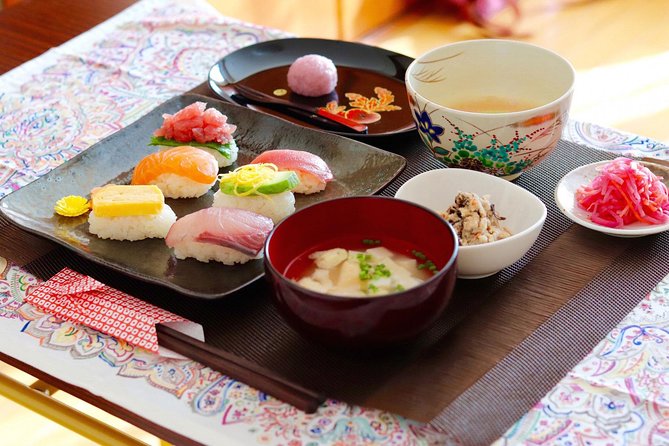
- Choose sushi or Obanzai: Your menu may include sushi, miso soup, tofu, slow-cooked vegetables, marinated mushrooms, or other seasonal dishes.
- Use homegrown vegetables: Emika may bring organic produce from her own garden into the meal.
- Finish with matcha: A freshly prepared cup of matcha begins or ends the experience, made by Emika or her father.
- Add a local market visit: The optional one-hour walk to a supermarket and produce store comes after cooking and lunch.
- Plan for a three-hour visit: Lunch and dinner times are available, with the entire activity beginning and ending at the Kyoto meeting address.
Entering a Kyoto home near Katsura
The meeting point is at 31-30 Katsurainariyamachō in Kyoto’s Nishikyo Ward. This is not a sightseeing district packed with famous landmarks. Instead, you’ll make your way through a quieter neighborhood, with the final walk from Katsura Station taking roughly 10 to 15 minutes.
That walk is part of the experience, but it does require a little care. The streets are winding, and one participant found Google Maps helpful for navigating the neighborhood. Give yourself enough time, especially if you are carrying luggage or arriving after a long day of sightseeing.
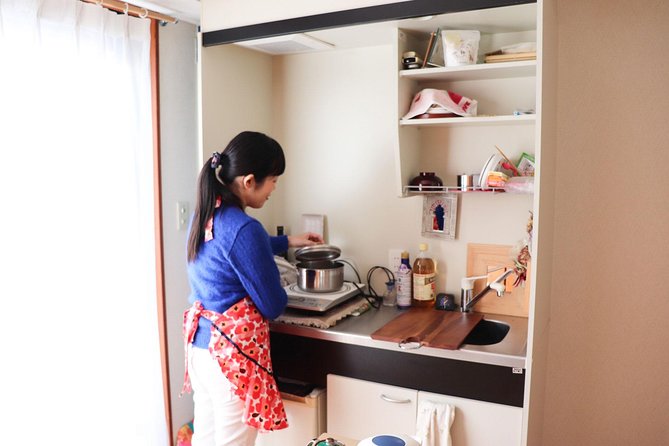
Once inside, the mood changes from city touring to home life. You are not sitting in a restaurant where dishes arrive finished. You are working beside Emika, asking questions, watching techniques, and sharing the food afterward. That personal setting is the main reason to choose this class over a larger cooking school.
The private format matters for families and small groups. Children and teenagers can take part, and Emika has been praised for keeping younger cooks involved. A private booking also makes it easier to discuss a vegetarian menu, allergies, or other cooking preferences before the class.
More Cooking Classes in Kyoto
- Ramen Cooking Class at Ramen Factory in Kyoto
★ 5.0 · 1,937 reviews - Kyoto: Ramen Cooking Class at a Ramen Factory with Souvenir
★ 4.9 · 532 reviews - Kyoto: Ramen, Gyoza, and Onigiri Cooking Class
★ 5.0 · 445 reviews
Matcha, conversation, and the first taste of Kyoto
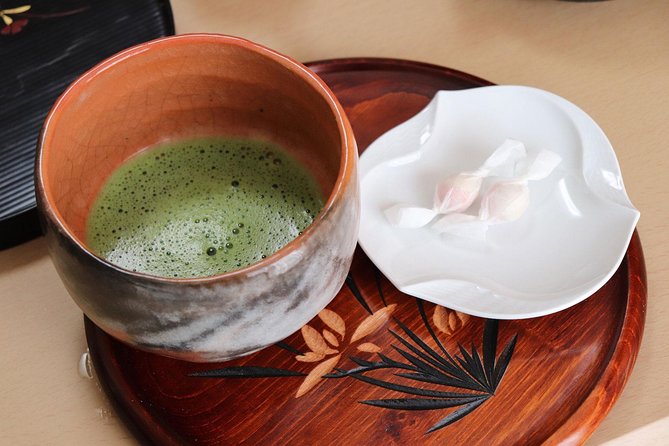
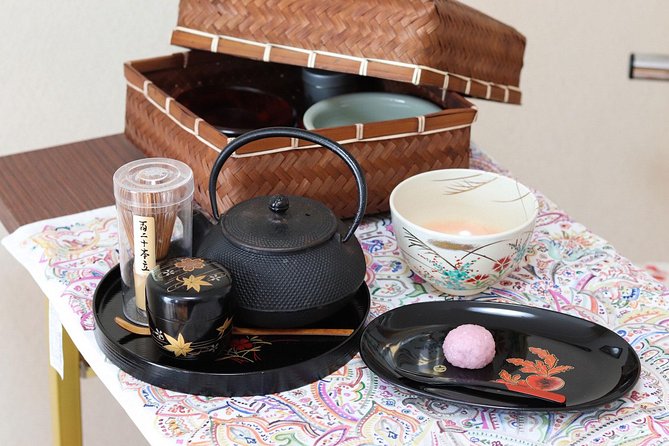
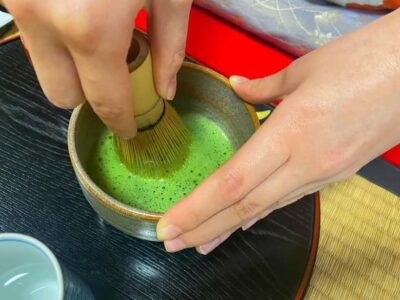
The experience starts or ends with a freshly made cup of matcha. Emika or her father prepares the tea, giving you a direct look at a familiar part of Japanese food culture.
This is not presented as a long formal ceremony with an elaborate performance. Instead, it fits naturally around the cooking and meal. You get a quiet pause to learn about matcha and Japanese customs, then move into the kitchen or return to tea after eating.
The class also includes one or two glasses of local alcohol. Nigori sake is one option mentioned by participants, though you can choose matcha instead if you do not drink. Since the drink is paired with the meal, it adds to the feeling of sharing a home-cooked lunch or dinner rather than attending a strict lesson.
Choosing between sushi and Kyoto Obanzai
You should tell Emika at booking if you prefer sushi or an Obanzai menu. This choice affects the character of the class.
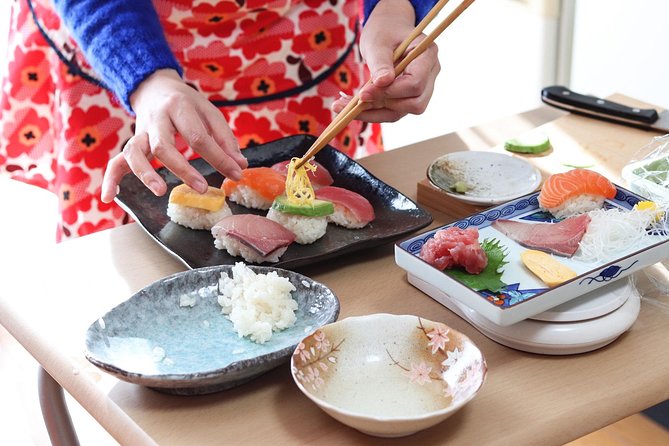
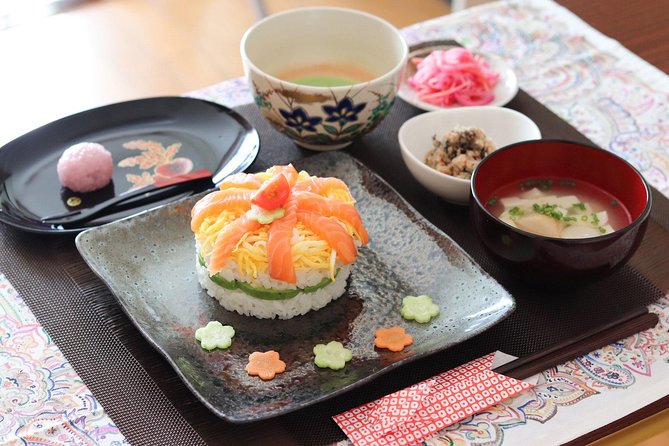
The sushi option may cover sushi rice, shaping techniques, and toppings such as raw fish. One participant described learning to prepare the rice, make miso soup and seasonal vegetables, then form the rice by hand and place fish on top. Nori can be used as well. The lesson focuses on technique without making the process feel stiff or overly technical.
For many people, the appeal is being able to recreate part of the meal at home. Emika shares small tips and special ingredients that are easy to overlook when you simply order sushi in a restaurant. You also learn how the rice, soup, vegetables, and toppings fit together as a Japanese meal.
The Obanzai choice gives you a closer look at everyday Kyoto cooking. Obanzai is a home-style tradition built around vegetables and simple preparations. Possible dishes include marinated mushrooms, slow-cooked vegetables, tofu preparations, and miso soup. The recipes are shaped by the season, so the exact vegetables may vary.
That seasonal approach is valuable. Instead of treating Japanese cooking as a fixed list of famous dishes, Emika shows how local ingredients become practical home food. Her own garden may supply some of the vegetables, which gives the meal a direct connection to the home where you are cooking.
The menu is not limited to sushi and Obanzai. Specific classes have included Osaka-style okonomiyaki, and one group prepared it with Emika before shopping locally for spices. If you have a strong preference, discuss it before arrival rather than assuming every session follows the same menu.
About one hour of cooking, then lunch or dinner
The cooking portion generally lasts about an hour, though the full experience runs close to three hours. That timing leaves room for conversation, tea, drinks, eating, and the optional market walk.
You will prepare the dishes together instead of spending the entire time watching Emika work. Her teaching style is patient and clear, with practical instruction on ingredients, preparation, and technique. Participants have learned sushi, miso soup, side dishes, and okonomiyaki in different sessions.
The meal you prepare is the reward at the end of the kitchen work. You sit down and eat together, which gives you time to ask about Japanese customs, etiquette, food, and life in Kyoto. This informal conversation is one of the most useful parts of the experience because questions can move beyond the recipe.
Do not expect a professional restaurant kitchen or a highly polished culinary school setup. The value here comes from the home setting and direct contact with Emika. If you want advanced knife skills, restaurant training, or a long technical lesson, another type of class may suit you better.
More Tea Ceremonies in Kyoto
- Kyoto: Tea Ceremony in a Traditional Tea House in Kiyomizu
★ 4.9 · 3,519 reviews - Kyoto: Tea Ceremony Ju-An at Jotokuji Temple
★ 4.9 · 3,207 reviews - Kyoto: 45-Minute Tea Ceremony Lesson Experience
★ 4.3 · 2,378 reviews - Kyoto: Table-Style Tea Ceremony at a Kyo-Machiya
★ 4.9 · 1,211 reviews
Seasonal vegetables from Emika’s garden
The homegrown vegetables are more than a nice extra. They help explain how Japanese home cooking depends on freshness, season, and simple seasoning.
You might use garden vegetables in a side dish before moving on to sushi or soup. Other ingredients can include local produce, tofu, mushrooms, miso, rice, fish, and Japanese seasonings, depending on the menu you select.
Emika also explains ingredients that may be unfamiliar to cooks from outside Japan. The instruction is practical rather than abstract. You learn which products matter, how they are used, and which flavors work together.
If you are hoping to recreate the dishes at home, bring a note-taking method or use your phone for reminders. The class offers tips on where to buy supplies for sushi, and the market option adds another layer by showing you the products in an ordinary local store.
The optional market walk comes after the meal
The market option includes about one hour at a supermarket and produce store where local residents shop. It is a useful add-on for anyone who wants to continue Japanese cooking after returning home.
The order is important. You do not tour the market before shopping for the class. You cook and eat first, then walk together for about 10 minutes to the supermarket and produce store.
That sequence has one advantage: you already know the ingredients from the meal. When Emika points out seasonings, spices, or packaged products, you have a clear reason to remember them. She can also help you purchase ingredients to take home.
The option is especially helpful if you like cooking and want more than a one-day food memory. You can compare what you used in the kitchen with the wider range available in an everyday Japanese shop. It also shows a side of Kyoto that you may miss if your time is spent only around temples and major attractions.
The drawback is simply time. With the market visit, the activity can take longer than the basic cooking session. If you have a tight afternoon schedule, check your timing before adding it.
Dietary requests and family suitability
Emika asks you to share allergies, dietary restrictions, and cooking preferences at booking. One vegetarian participant was accommodated well, and another group received a menu adjusted to its dietary needs.
That does not mean every request can be handled automatically. Give clear details before the class, especially for allergies or strict dietary rules. You should also state whether you want sushi or Obanzai at the same time.
Families can do well here because the class is private and hands-on. Children and teenagers can participate in shaping sushi, preparing ingredients, and learning simple techniques. The relaxed format gives Emika room to adjust her explanations to different ages and skill levels.
Couples and multigenerational groups are also a good match. One small family group enjoyed preparing the food while seated comfortably, and the experience allowed them to ask about both cooking and Japanese etiquette. The class gives people something to do together without requiring anyone to be an expert.
Is $109 a fair price?
At $109 per person, this is not a budget meal. You are paying for about three hours of private instruction, food, a home visit, tea, and one or two glasses of local alcohol. The optional market tour adds more time and practical help, though the available information does not state a separate price for that option.
I see the value in the private format. A large class may be cheaper, but it cannot offer the same level of personal attention or the same sense of sitting down with a Kyoto resident. Emika also provides information about ingredients, local shopping, customs, and cooking methods, so the experience continues to be useful after the meal.
The price makes the most sense if you care about food, want a personal cultural activity, or hope to cook Japanese dishes at home. It may feel high if you only want a quick sushi-making activity or if you already have several expensive meals planned.
The class is commonly reserved well ahead of time, with bookings averaging about 49 days in advance. That suggests you should not leave it until the last few days of a short Kyoto visit, especially if your schedule is fixed.
Getting there and fitting it into your day
There is no hotel pickup or drop-off. You are responsible for reaching the meeting address, and the activity ends there.
Lunch and dinner options make the class easier to fit into a Kyoto itinerary. Still, allow time for the train ride to Katsura Station and the 10 to 15-minute walk afterward. The final approach through residential streets may be less obvious than arriving at a major restaurant, so keep your map open.
The meeting point is near public transportation. Service animals are allowed. Confirmation is provided when you book, and the activity is private, meaning only your own group takes part.
Free cancellation is available if you cancel at least 24 hours before the start time. Changes or cancellations inside that 24-hour window are not accepted for a refund, and the cut-off follows local Kyoto time.
What you take home besides a full stomach
The recipes are useful, but the small bits of advice may be even better. Emika explains Japanese food customs, etiquette, ingredients, and seasonings in the course of cooking. You may leave knowing not only how to make sushi or soup, but also where to look for the ingredients later.
The market stop can help with that. Emika can point out products and spices that are difficult to identify on your own. Her advice on supplies for making sushi at home gives the experience a practical afterlife.
The meal itself also creates a natural setting for conversation. You can ask questions about Kyoto, Japanese culture, and daily food habits while eating what you prepared. That exchange is difficult to reproduce in a standard restaurant or a short public demonstration.
Who should book this Kyoto cooking class?
I would choose this experience if you want:
- A private activity with a local Kyoto host
- A home meal instead of a restaurant meal
- Hands-on sushi or Japanese home cooking
- A relaxed option for families and teenagers
- Help with vegetarian menus or other dietary needs
- Seasonal ingredients and garden-grown vegetables
- Practical advice for Japanese cooking at home
- A market visit after the meal
I would think twice if you dislike walking to a residential address, need a highly structured professional cooking course, or have very little flexibility in your schedule. The class is personal and relaxed, not a fast-moving food tour.
Should you book it?
Yes, if you want a warm, personal look at Kyoto food culture. The combination of Emika’s home, garden vegetables, hands-on cooking, matcha, and shared meal offers more connection than a basic recipe lesson.
Choose sushi if you want to practice rice preparation and shaping. Choose Obanzai if you are most interested in everyday Kyoto food and seasonal vegetables. Add the market option if you want help finding ingredients after you eat.
The strongest reason to book is the private setting. You get time to ask questions, adjust the menu, involve children, and learn at a comfortable pace. Just plan carefully for the walk from Katsura Station and remember that the market visit comes after lunch, not before.
FAQ
How long does the cooking class and tea ceremony last?
The full experience lasts approximately three hours. The cooking portion may take about one hour, followed by the meal, tea, conversation, and any selected market visit.
Where does the experience begin and end?
It begins at 31-30 Katsurainariyamachō, Nishikyo Ward, Kyoto, 615-8025, Japan. The activity ends back at the same meeting point.
Can I choose sushi or Obanzai?
Yes. You should tell Emika when booking whether you prefer a sushi menu or a traditional Kyoto Obanzai menu.
Is the class private?
Yes. Only your own group participates in the activity.
Is a market visit included?
The supermarket and produce market tour is included if you choose the Market tour option. It takes place after the cooking class and meal.
Does the market tour happen before cooking?
No. The private market tour happens after the cooking class and lunch. The walk to the supermarket takes about 10 minutes.
Can dietary restrictions be accommodated?
You should tell Emika about allergies, dietary restrictions, and cooking preferences when booking. A vegetarian menu and other adjusted menus have been accommodated.
Is hotel pickup included?
No. Hotel pickup and drop-off are not included. You must make your own way to the meeting point near Katsura Station.
Are drinks included?
The experience includes local alcohol, generally one or two glasses. Matcha is also prepared by Emika or her father, and you can choose matcha instead of alcohol.
What is the cancellation policy?
You can cancel at least 24 hours before the start time for a full refund. Cancellations or changes made less than 24 hours before the start time are not accepted for a refund.
Just added around Kyoto
- Kyoto: Gion Night Walking Tour with Geisha Insight★ 5.0 · 39 reviews
- Kyoto: Private Customizable Day Trip by Car★ 5.0 · 38 reviews
- Kyoto: Full Day Bike Tour★ 4.9 · 39 reviews
- Private Japanese Calligraphy in Kyoto – Learn Shodō with a Master★ 5.0 · 39 reviews
- Kyoto: Gion Evening Walk with Hidden Gems, Geisha & Sake★ 5.0 · 41 reviews
- Experience a tea ceremony in an authentic tearoom, in Kyoto!★ 4.5 · 41 reviews
- Kyoto Private Photo Shoot & Tour by SnapKyoto★ 5.0 · 41 reviews
- The Way of Tea: Kyoto Crafts, Hidden Temples & Wabi-Sabi Walk★ 5.0 · 41 reviews
Tea Ceremony Experiences, compared.
Tea Ceremony in a Traditional Tea House in Kiyomizu
Read our review →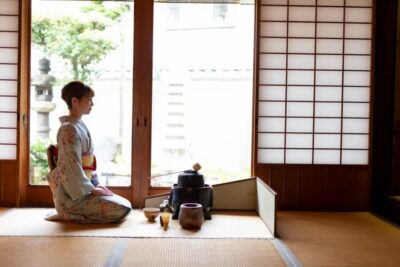
Browse the lists this tour appears in