
Reviewed · TEA CEREMONY EXPERIENCES
Matcha Kimono Tea Ceremony in Tokyo
Matcha makes a fine Tokyo pause. This 90-minute Shinjuku workshop combines an easy-to-wear kimono, a clear tea lesson, and hands-on matcha preparation in a small group. I like that you can ask plenty of questions, and I like that snacks, tea tools, and a Japanese welcome drink are included. The main thing to consider is the strict late-arrival rule: after 10 minutes, your booking is canceled without a refund.
This is not a formal, silent tea ceremony in a grand temple. It is a friendly introduction to the ideas behind tea, the differences between tea types, and the basic manners of drinking matcha. At $59.46 per person, it offers more than a tasting, though anyone hoping for a full traditional kimono dressing may find the quick, simplified outfit less elaborate.
In This Review
- Key points at a glance
- What this Shinjuku matcha workshop is really like
- Arriving in Shinjuku and getting ready
- Learning how matcha differs from other tea
- Making a bowl with traditional tea tools
- Why the 90-minute length works
- Is $59.46 a fair price?
- Who will enjoy this experience most?
- Practical details that can make or break the visit
- Should you book the matcha and kimono experience?
- FAQ
- How long does the matcha kimono experience last?
- Where does the experience start and end?
- Is the kimono difficult to put on?
- Are tea, snacks, and equipment included?
- Do I need to wear socks?
- What happens if I cancel?
Key points at a glance
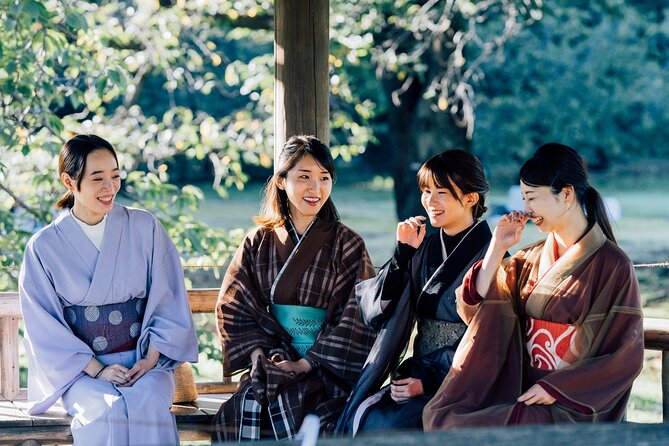
- Easy kimono dressing: The specially designed kimono can be put on quickly, unlike a formal kimono that may take around 30 minutes.
- First-flush matcha: You can taste high-quality first-flush matcha selected from a collection of more than 100 Japanese teas.
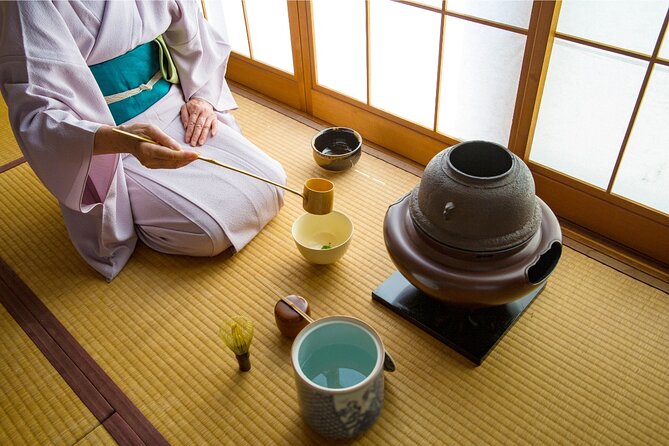
- Hands-on tea making: You prepare your own bowl of matcha with traditional tea implements, then learn the basic way to drink it.
- Small-group setting: The experience accepts a maximum of 10 people, giving you room to ask questions.
- Short Tokyo activity: The 1-hour-30-minute format fits neatly into a busy day in Shinjuku.
- Socks are required: You must wear socks in the tatami room, or buy them at the workshop if you forget.
What this Shinjuku matcha workshop is really like
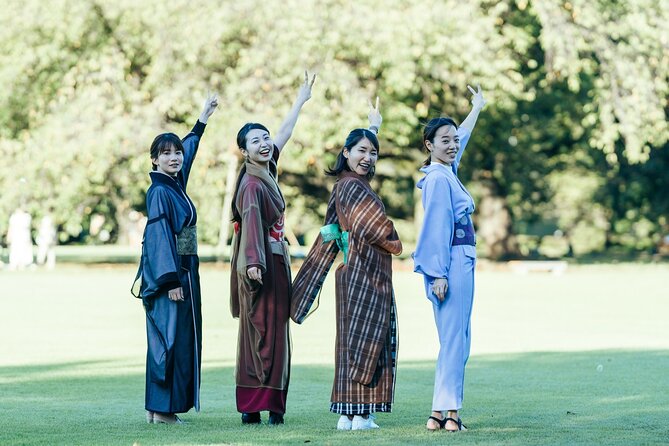
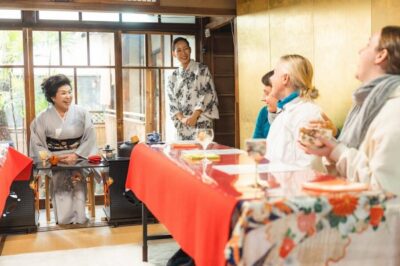
The appeal here is simple: you get several pieces of Japanese culture in one compact session. You dress in a kimono, learn what makes matcha different from other teas, handle the proper tools, and drink a bowl you prepare yourself.
That combination makes the experience useful for first-time visitors. You are not only watching someone perform a ceremony. You are given enough background to understand why the tea is prepared in a particular way and how to show basic respect when drinking it.
The tone is informal rather than stiff. The host is described as fluent in English, patient, and comfortable answering questions. That matters because tea vocabulary can get confusing quickly, especially when comparing Japanese green tea with black tea, Chinese tea, and matcha sold outside Japan.
The group size is limited to 10 people. That is small enough to keep the demonstration readable and to give you a fair chance to ask about tea, kimono, or etiquette. It also means the experience may feel more like a workshop than a performance.
More Kimono Experiences in Tokyo
- Let’s make kimono !(Kimono is a gift for you
★ 5.0 · 252 reviews - Tokyo: Matcha and Kimono Experience
★ 4.7 · 219 reviews - Tokyo: Asakusa Kimono Dressing and Matcha Experience
★ 4.9 · 173 reviews
Arriving in Shinjuku and getting ready
The meeting point is listed as MPPG+HH in Shinjuku City, Tokyo, and the location is near public transportation. Because the address is given as a map code rather than a familiar venue name, I would check the exact meeting instructions carefully before leaving your hotel.
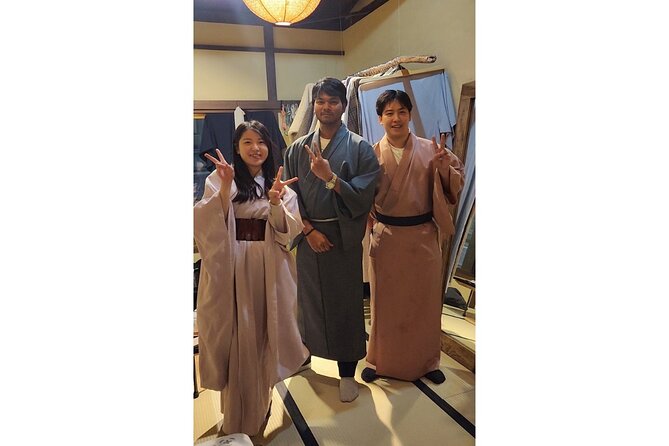
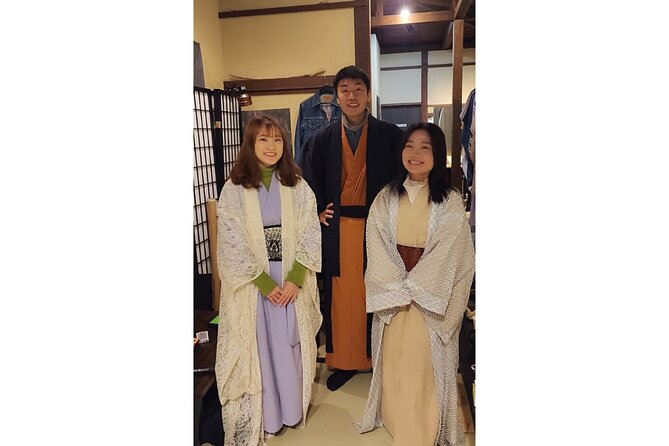
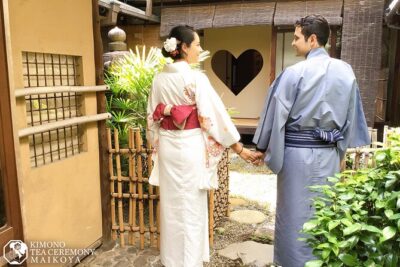
The activity begins with the kimono. These are not the complicated formal garments that require a specialist and many layers. The workshop uses specially designed, easy-to-wear kimonos, so you can get dressed quickly and still have the visual pleasure of wearing traditional Japanese clothing.
This is a practical choice for a short activity. A full kimono dressing session could take much of your morning or afternoon, while this version leaves time for sightseeing before and after. The trade-off is that the clothing is a simplified experience, not a full formal dressing appointment.
The host helps you put it on properly. That support is important, especially if you have never handled Japanese clothing before. You should also wear socks. The session takes place in a tatami room, and bare feet are not accepted. If you forget, the workshop asks you to buy socks at the venue.
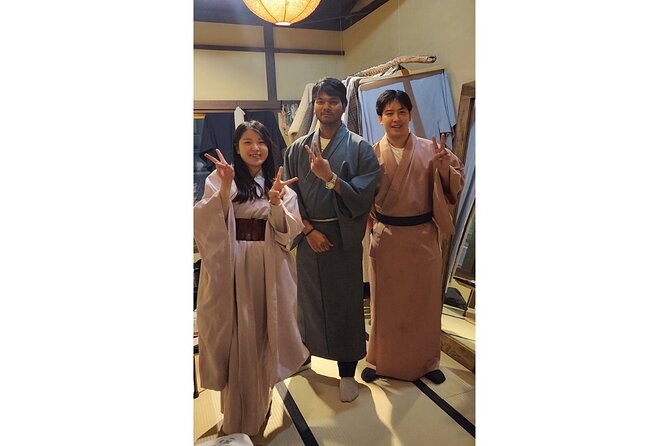
Once dressed, you have a chance to settle into the room before the tea lesson starts. The host has also taken photos for some participants, which can give you a useful souvenir of the occasion. Photo-taking is not presented as the main activity, so I would treat it as a pleasant extra rather than a guaranteed photo session.
Learning how matcha differs from other tea
The lecture gives this experience its real value. You learn about several kinds of tea, including green, black, and Chinese tea, then focus on what makes matcha different from ordinary green tea.
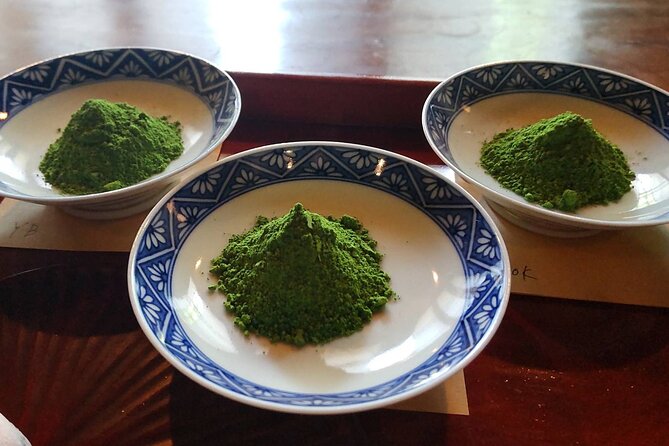
That distinction is easy to miss. Matcha is not simply a trendy name for green tea. The workshop explains the differences between Japanese matcha and matcha commonly found overseas, where quality and flavor can vary widely. If you already buy matcha at home, this part can help you understand what you are tasting.
The session also looks at tea culture and the philosophy of Teaism. You hear about the meaning of tea ceremony, rather than only learning a recipe for whisking powder and water. That wider context helps explain why quiet attention, careful movements, and manners matter.
The host uses tea from a collection of more than 100 matchas gathered from around Japan. The featured first-flush matcha is described as the highest-quality selection. You can compare tea with your eyes, nose, and tongue, which gives the tasting a clear structure instead of reducing it to this tastes good or this tastes bitter.
The scale of the collection is appealing, but do not expect to sample all 100 teas in a 90-minute activity. The point is to learn how to notice differences and find a style you prefer. For someone who loves matcha, that tasting element may be the strongest reason to book.
A small caution: the experience information lists a Decaf and Terror matcha option. The word Terror is unclear, so I would ask the host what that option means before attending, especially if you need a caffeine-free drink or have dietary concerns.
Making a bowl with traditional tea tools
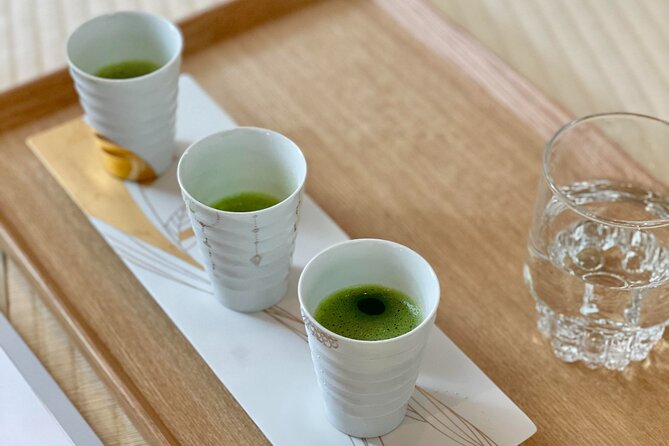
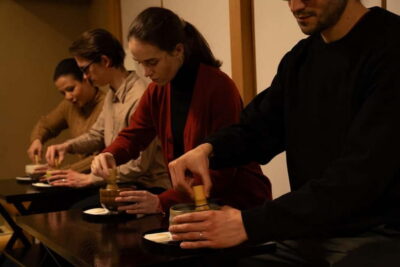
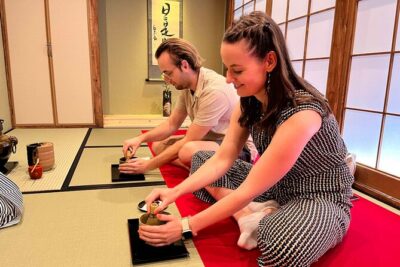
After the presentation, you prepare your own matcha. The rental of tea ceremony tools is included, so you do not need to bring equipment or buy anything extra for the lesson.
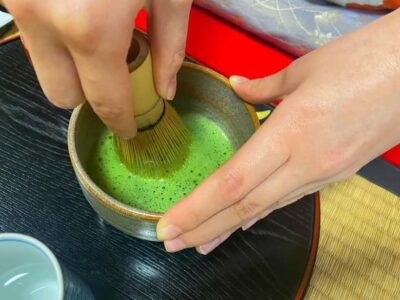
The host demonstrates the basic method, then guides you through making a beautiful bowl. This hands-on part is more memorable than simply watching a professional prepare tea. You learn how the tools are used, how the tea is made, and how the final bowl should be handled.
You also learn the basic manner of drinking matcha. That does not turn you into a tea master, but it gives you enough confidence to accept and drink matcha respectfully in other settings. The lesson is especially useful if you have felt unsure about when to bow, how to hold the bowl, or what to do after drinking.
The experience includes high-quality matcha, tea tools, Japanese traditional snacks, and a Japanese authentic welcome drink. Coffee and tea are also listed among the included refreshments. The snacks help balance the strong, grassy taste of matcha, and they add a small food element without turning the activity into a meal.
If you do not enjoy matcha, the workshop can still work for you because the cultural explanation and kimono experience do not depend entirely on loving the flavor. Still, the practical centerpiece is drinking and preparing matcha, so serious dislike of green tea is worth considering before you book.
More Tea Ceremonies in Tokyo
- Tokyo: Traditional Tea Ceremony with a Tea Master
★ 5.0 · 528 reviews - Tea Ceremony Workshop in Tokyo by the Experienced Instrucor
★ 5.0 · 189 reviews - Asakusa: Kimono Tea Ceremony with Matcha and Sweet
★ 4.9 · 153 reviews - Tea Ceremony Experience in a Private Tea Room in Shibuya
★ 4.9 · 125 reviews
Why the 90-minute length works
Tokyo rewards careful scheduling, and this activity is short enough to fit around major sightseeing plans. At approximately 1 hour and 30 minutes, it can sit between other Shinjuku activities without consuming a full half-day.
The compact format also keeps the lesson focused. You get a clear introduction, a tasting, kimono dressing, and practice with the tea tools, but you are not asked to sit through an all-day ceremony.
There is a limit to what can fit into 90 minutes. You will receive an accessible introduction, not advanced instruction in tea ceremony or a long formal ritual. If you want a highly ceremonial experience with elaborate clothing and extended silence, this workshop may feel too casual.
For most first-time visitors, that lighter approach is a strength. You can ask questions, try the movements yourself, and learn without worrying about making a serious mistake. The host’s patient teaching style helps keep the session welcoming.
Is $59.46 a fair price?
At $59.46 per person, this is not the cheapest way to drink matcha in Tokyo. A simple cup of matcha and a sweet will cost far less. The price makes more sense when you count the included kimono rental, tea ceremony tools, instruction, snacks, and several drinks.
You are also paying for guidance. Without an instructor, you can taste matcha, but you will not necessarily learn how Japanese tea differs from overseas products, why first-flush tea is valued, or how to use the tools correctly.
The maximum group size of 10 improves the value. You are not paying for a private lesson, but the format should give you a better chance to interact with the host than a large demonstration would.
I see this as good value for a visitor who wants three things at once: a cultural lesson, a photo-friendly kimono experience, and a hands-on drink preparation. It is less convincing for a person who only wants a quick taste of matcha or who has already studied tea ceremony in depth.
More than 1,500 people attended the experience in the previous year, and the current rating is 5 out of 5 from 104 reviews, with 99 percent recommending it. Those figures point to a well-received activity, but the more useful detail is what the format repeatedly emphasizes: clear English, relaxed teaching, patient help with the kimono, and a chance to ask questions.
Who will enjoy this experience most?
I would recommend it to first-time Tokyo visitors who want a manageable introduction to Japanese culture. It also suits matcha fans who want to compare tea and learn the difference between Japanese matcha and products sold abroad.
Couples, friends, and solo visitors can all fit into the workshop, provided the group has space for a maximum of 10 people. It may also suit families, but all children are charged the full price, so the cost can rise quickly for a larger family.
This is a good pick if you want something social and educational without a full-day commitment. It is also useful for visitors who feel nervous about formal Japanese customs. The instructor explains the basics in English and lets you practice them in a relaxed setting.
You may want to skip it if you want a formal kimono transformation, a long ceremonial performance, or a private tea master. The simple kimono is designed for speed and comfort. That is exactly why it fits a busy schedule, but it is also why the clothing should not be mistaken for a full traditional dressing service.
Practical details that can make or break the visit
Plan to arrive early. The reservation is automatically canceled after 10 minutes of lateness, and there is no refund in that case. Shinjuku is well connected, but Tokyo station areas can still take longer to navigate than expected, especially when you are finding a specific meeting point.
Bring or wear socks for the tatami room. This is easy to overlook, and buying a pair at the workshop is an avoidable extra cost.
The activity uses a mobile ticket, and confirmation is provided when you book. It ends back at the meeting point, and private transportation is not included, so you handle your own journey to and from Shinjuku.
Free cancellation is available if you cancel at least 24 hours before the local start time. Changes or cancellations inside that 24-hour window are not refunded. The activity also needs a minimum number of participants, so if the provider cancels for that reason, you are offered another date or experience, or a full refund.
Should you book the matcha and kimono experience?
Book it if you want an easy, well-paced introduction to matcha and Japanese tea customs, especially if you value personal explanation over a polished stage show. The strongest features are the patient English instruction, quick kimono dressing, broad tea lesson, and chance to make your own bowl.
The decision is less clear if your main goal is a formal tea ceremony or an elaborate kimono. In that case, this workshop may feel simplified. For most visitors, though, the short schedule, small group, included equipment, and thoughtful cultural context make the $59.46 price reasonable.
Arrive early, wear socks, and ask about the listed Decaf and Terror option if it matters to you. Do that, and this should be an enjoyable way to slow down for an hour and a half in the middle of Tokyo.
FAQ
How long does the matcha kimono experience last?
The activity lasts approximately 1 hour and 30 minutes.
Where does the experience start and end?
It starts at MPPG+HH in Shinjuku City, Tokyo, near public transportation, and ends back at the same meeting point.
Is the kimono difficult to put on?
No. The workshop uses specially designed, easy-to-wear kimonos that can be put on quickly. The host helps you dress properly.
Are tea, snacks, and equipment included?
Yes. The experience includes Japanese traditional snacks, high-quality matcha, a Japanese welcome drink, tea or coffee, kimono rental, and use of tea ceremony tools.
Do I need to wear socks?
Yes. Socks are required in the tatami room. If you forget them, you are asked to buy socks at the workshop.
What happens if I cancel?
You receive a full refund if you cancel at least 24 hours before the local start time. Cancellations or changes made less than 24 hours before the start are not refunded. Late arrival of more than 10 minutes also results in automatic cancellation without a refund.
Just added around Tokyo
- Tokyo 6hr Instagram Highlights Private Tour with Licensed Guide★ 5.0 · 38 reviews
- Tokyo Small Group Tour with Guide★ 4.5 · 38 reviews
- Tokyo Sumo Experience with Live Show & Audience Challenge★ 5.0 · 38 reviews
- Japanese Food Cooking Class in Asakusa, Tokyo★ 5.0 · 39 reviews
- Very popular in Harajuku♡Animal petting zoo★ 4.6 · 39 reviews
- Ramen Making from Scratch with Tokyo Mom(Vegan Option Available)★ 5.0 · 39 reviews
- Tokyo: Kimono Rental inside Shinjuku Gyoen National Garden★ 4.9 · 39 reviews
- Tokyo JDM Night: 600hp C63s AMG Edition 1 (Private)★ 4.9 · 39 reviews
Tea Ceremony Experiences, compared.
Tea Ceremony in a Traditional Tea House in Kiyomizu
Read our review →
Browse the lists this tour appears in