
Reviewed · DESSERT TOURS
Osaka: Matcha Making Experience with Japanese Sweets
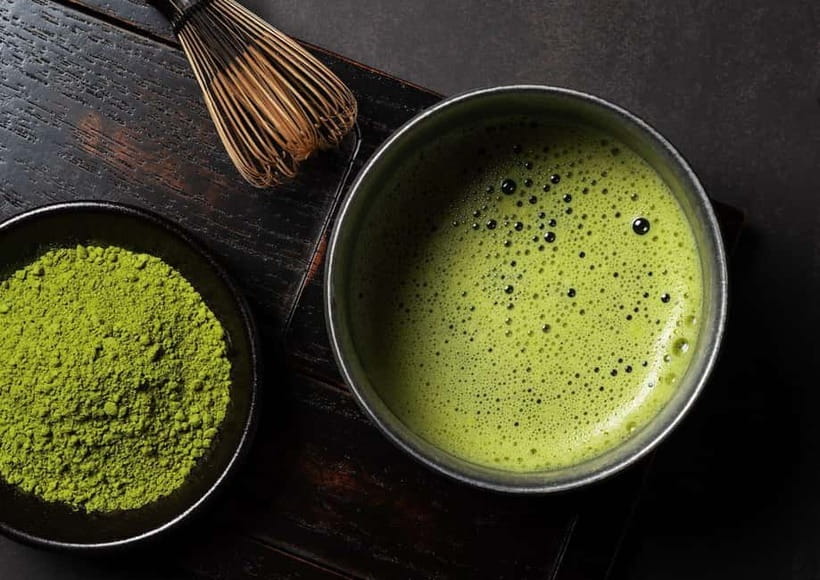
Matcha turns a drink into a small ritual. In central Osaka, this one-hour class gives you a friendly introduction to matcha history, traditional whisking, and Japanese sweets without asking you to master formal tea ceremony manners. I especially like the small six-person group and the relaxed English instruction, which make it easy to ask questions and have a laugh. I also like the chance to prepare your own bowl instead of simply watching a demonstration.
The main consideration is the short format. You get a clear, enjoyable introduction, but not a full tea ceremony or a large snack. One participant wished for more time sitting with the tea, and another noted that the matcha and sweets are modest in quantity. For $22 per person, though, this is a fair price for a hands-on cultural stop near Dotonbori and Shinsaibashi.
In This Review
- Key points at a glance
- A calm hour near Dotonbori
- The matcha quiz makes the history stick
- Whisking your own bowl with traditional tools
- Drinking matcha with Japanese sweets
- The guides shape the mood
- Why the six-person limit matters
- Is $22 good value in Osaka?
- Who should book this matcha class?
- Practical tips for a smoother visit
- Should you book it?
- FAQ
- How long does the matcha making experience last?
- How much does the experience cost?
- Where does the activity meet?
- Is the class taught in English?
- How many people are in each class?
- Are matcha and Japanese sweets included?
- Can I cancel for a refund?
Key points at a glance
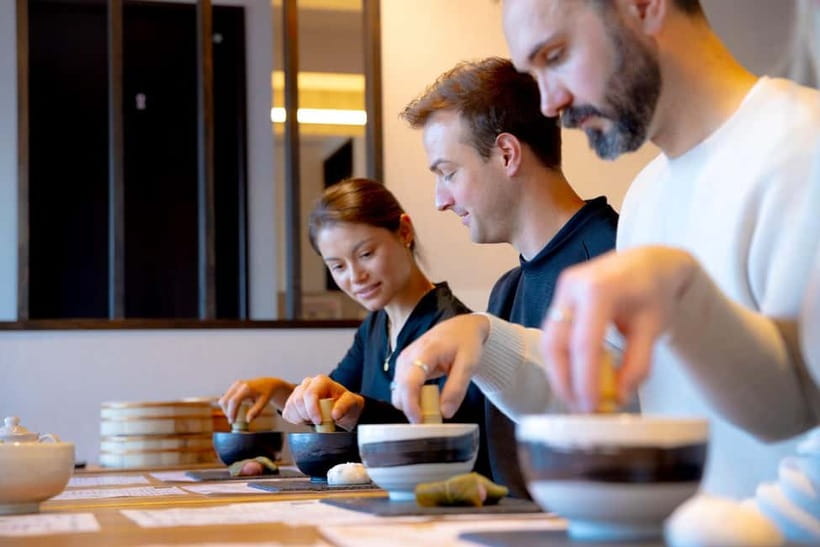
- A six-seat class keeps the lesson personal: The instructor can guide each person while still giving the group room to chat.
- The history lesson uses a quiz: You learn about matcha through an interactive, lighthearted format rather than a long lecture.
- You whisk your own tea: Traditional tools let you feel the difference between stirring powdered tea and preparing it properly.
- English-speaking staff make first-timers comfortable: Guides such as Fujiko, Reika, Yui, Matty, Serin, and Takara have been praised for clear, friendly teaching.
- The location works well with an Osaka day out: The class is about five minutes from Shinsaibashi Station and close to Dotonbori.
- Japanese sweets are part of the tasting: They add a pleasant contrast to matcha’s earthy, slightly bitter taste.
A calm hour near Dotonbori
Osaka can be loud, crowded, and deliciously chaotic. That is part of its charm, but an hour at a tea table offers a useful pause between shopping, sightseeing, and eating. The class takes place on the third floor of the Galleria Acca Building, about five minutes on foot from Shinsaibashi Station.
You are in the middle of one of Osaka’s most convenient areas. Dotonbori is close by, as is Shinsaibashi’s long shopping arcade, so you can fit this activity around lunch, an afternoon walk, or an evening near the canal. The central location also means you do not need to spend half a day getting to a rural tea farm.
Finding the building may take a little care. One person found the facility clean and pleasant but said it was a bit hard to locate, with the useful advice to go up the stairs. Check the building name and floor before you set out, and allow a few extra minutes rather than arriving breathless with a phone in hand.
The room has a traditional feel without requiring you to kneel on the floor. The table arrangement lets you sit normally, which is a practical touch for families, older visitors, and anyone who wants cultural atmosphere without uncomfortable formal posture.
More dessert tours:
- Matcha Making Class in Osaka with Authentic Japanese Sweets Set
★ 5.0 · 509 reviews - Osaka: Japanese Traditional Sweets Making and Tea Ceremony
★ 4.7 · 118 reviews - Matcha Making Class in Tokyo with Authentic Japanese Sweets Set
★ 5.0 · 744 reviews
The matcha quiz makes the history stick
The class begins with an introduction to matcha and Japanese tea culture. Instead of presenting the material as a serious lecture, the instructor uses questions and a playful quiz to get the group involved. This is a smart choice for a short class. You hear the basic story, but you also have to think, answer, and compare notes with the people around you.
The exact depth of the history depends on the instructor and the group. Still, the lesson covers the origins and cultural role of matcha before moving into preparation. Guides including Fujiko, Serin, Reika, Yui, Matty, Shota, Takara, Harita, and Hinata have received praise for making the information clear and enjoyable.
I like this part because it gives context to the bowl in front of you. Matcha is not simply green powder added to hot water. The class helps you understand why the preparation has particular steps and why the tools matter.
The lesson is also approachable for children and complete beginners. One family enjoyed it with an eight-year-old child, and another parent brought a nine-month-old baby. A separate family found the teaching style suitable for elementary-school children. You should still judge your own child’s patience, since the activity involves listening, handling a whisk, and following instructions at a table.
Whisking your own bowl with traditional tools
The hands-on section is the heart of the experience. You receive the ingredients and tools, then prepare matcha with guidance from the instructor. You are not left to guess how much movement or effort is needed. The teacher demonstrates and helps each person adjust the process.
This is where the class earns its price. You could order a matcha drink in many parts of Osaka for less than $22, but a café drink does not show you how the powder is dissolved, how the whisk is used, or how the finished tea should be tasted. Here, you take part in the making and can try the method again at home.
Several first-time matcha drinkers found the process easy to follow. That is worth noting if you have never used a bamboo whisk. The class is not designed to turn you into a tea master in 60 minutes, but it gives you enough technique to understand the basics and make a smooth bowl with help.
The result may vary from person to person. Your first bowl might not look like a professional’s, and that is part of the fun. The instructor’s role is less about judging the result and more about helping you enjoy the process. One participant left eager to try making matcha at home, which is probably the best sign that the lesson does its job.
The tools also add a tactile element. You are handling equipment associated with the tradition rather than using a modern machine or watching a screen. One participant bought a chawan bowl after the class, describing it as one of a kind. If bowls or tea tools are available for purchase, ask the staff about them, but do not assume that shopping is part of the booked activity.
Drinking matcha with Japanese sweets
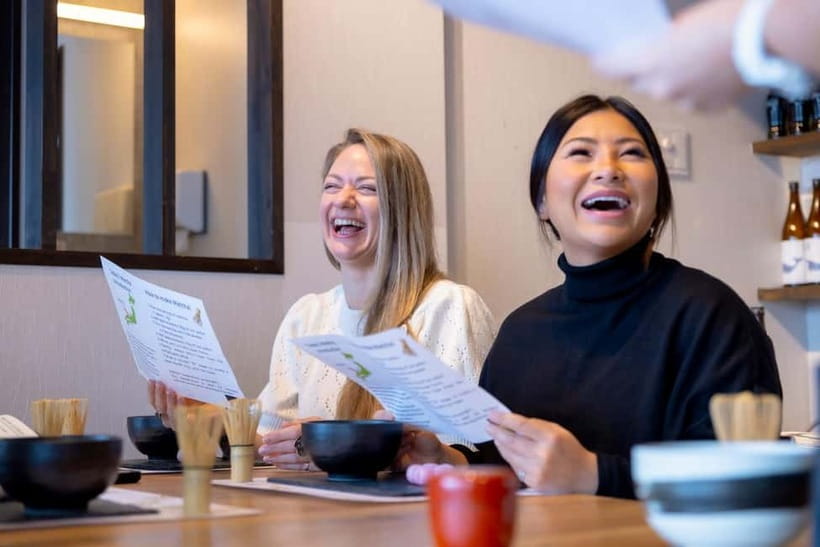
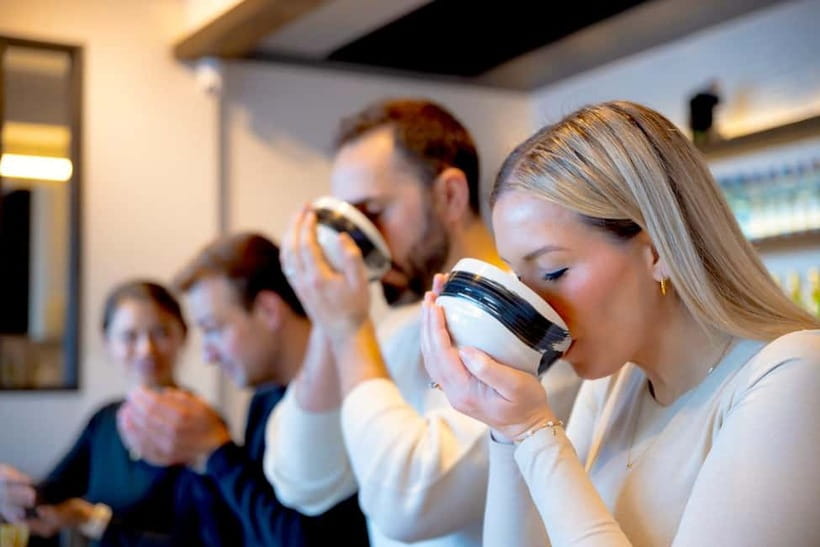
After preparing the tea, you sit down to drink it with Japanese sweets. This gives the class a pleasant finish and lets you taste the result while the preparation is still fresh in your mind.
Matcha has an earthy flavor and can be bitter if you are new to it. The sweets provide sweetness and balance. Several participants specifically praised the desserts, calling them delicious, yummy, and a good match for the tea. The portions are intended as an accompaniment, not as lunch. If you are hungry, plan a meal before or after the class.
This tasting is also a useful lesson in how matcha can be enjoyed. You are not just swallowing a bright green drink because it looks good in photographs. You get a chance to notice its texture, flavor, and effect alongside a traditional sweet.
One participant felt the group could have spent longer sitting with the tea. That is a fair criticism. The hour moves from history to preparation to tasting, so the final conversation may feel brief if you want a slow, formal tea experience. For most visitors, the compact pace is useful, especially on a busy Osaka itinerary.
A few more Osaka experiences worth weighing up
- Osaka Go Karting Tour with Funny Costume
★ 5.0 · 2,658 reviews - Osaka Castle: Museum and Tower Entry Ticket
★ 4.5 · 2,380 reviews - Osaka: Shinsekai Food Tour with 13-15 Dishes at 5 Eateries
★ 4.8 · 2,204 reviews - Osaka Food Tour: 13 Dishes at 5 Local Eateries
★ 5.0 · 2,149 reviews
The guides shape the mood
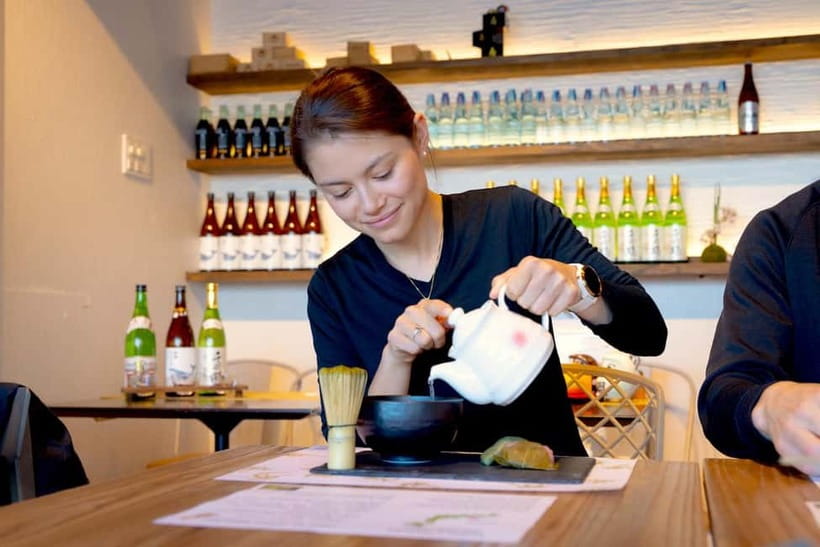
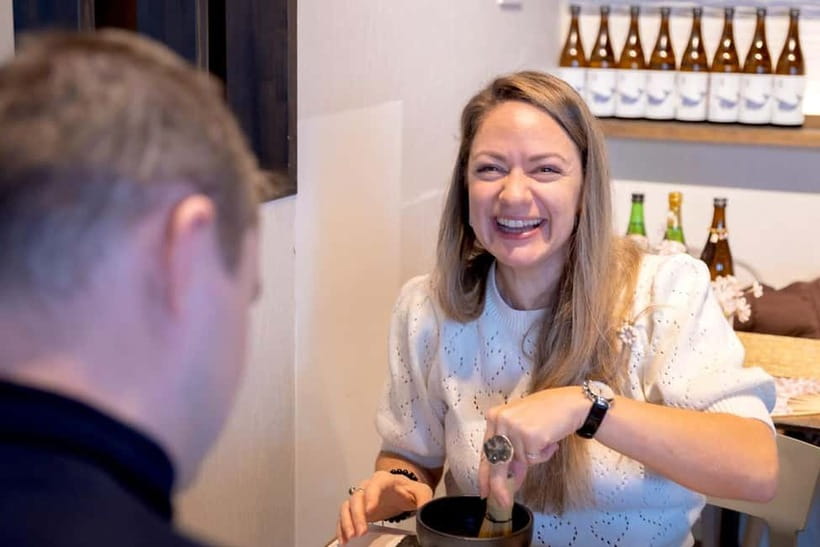
The strongest part of this experience is the teaching. The staff use English and create a casual setting where questions are welcome. You can expect a mix of explanation, demonstration, encouragement, and conversation rather than a rigid ceremony.
Fujiko is repeatedly praised for humor, clear English, and warm instruction. Yui is noted for explaining tea in general as well as matcha, while Matty is described as enthusiastic and especially good with children. Serin, Reika, Takara, Shota, Harita, Hinata, Lala, Moe, and Mayuho are also named in positive feedback.
You may not have control over which instructor leads your class, so do not book solely for one particular person. The consistent theme is the staff’s friendly approach. Several guides also offered suggestions for restaurants and other local places, which can be useful when you are deciding where to eat around Shinsaibashi.
The tone is informal, but the setting retains some traditional manners. That combination works well. You get an introduction to Japanese culture without feeling that you are being tested on rules you have never heard before.
Why the six-person limit matters
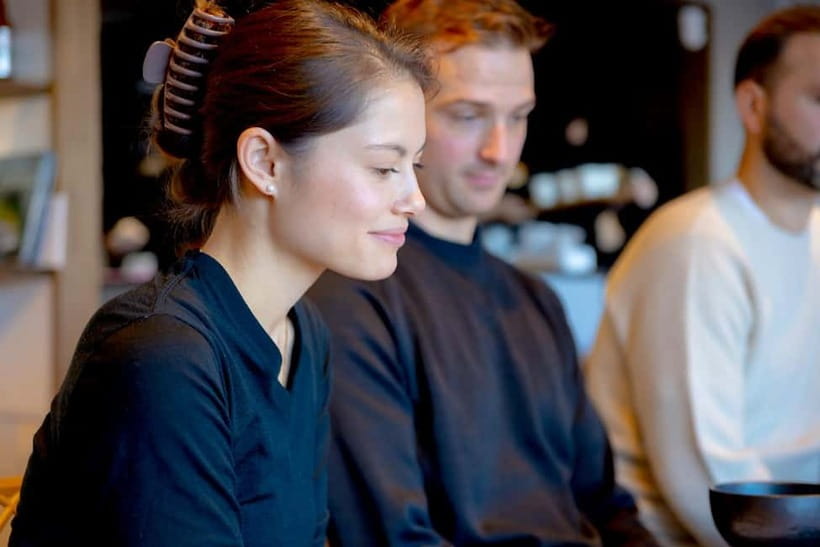
A six-person maximum is a real benefit here. Matcha preparation involves small movements and timing, so a crowded room could make the demonstration hard to see and the personal help hard to provide.
With a small group, you can ask why your tea looks different from someone else’s or request another demonstration of the whisking motion. Solo visitors also have a natural chance to meet other people, while couples and families can enjoy the activity together without being swallowed by a large tour group.
The class welcomes both solo participants and groups. That flexibility makes it easier to add to an Osaka itinerary, though starting times depend on availability. The one-hour duration is short enough to fit before dinner or between visits to nearby shops.
The trade-off is that a small class may feel more intimate than a standard sightseeing tour. If you prefer to remain anonymous in a large group, this may not be your ideal activity. For most people, the personal format is the better deal.
Is $22 good value in Osaka?
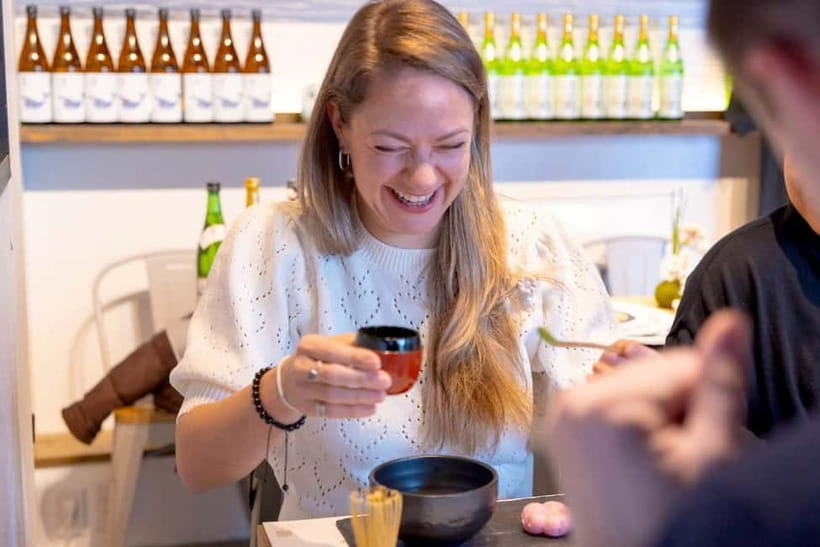
At $22, this is reasonably priced for a guided cultural activity in central Osaka. You receive the cooking class, ingredients, instructor, matcha, and Japanese sweets. You also receive the chance to use traditional tools and take home a method you can repeat.
The value is strongest if you have never made matcha. You are paying for instruction and participation, not simply for food and drink. It is also good value for families and couples who want an activity that creates a shared memory without taking up an entire afternoon.
The value is weaker if your only goal is to consume a large serving of matcha or sweets. The tasting is small, and the experience is not a meal. Matcha fans may still appreciate the technique and cultural background, but you should know that this is an introduction rather than an advanced workshop.
There is no hotel pickup or drop-off. That is not a serious problem because the activity is central and near Shinsaibashi Station, but you need to make your own way to the building. Free cancellation is available up to 24 hours before the activity for a full refund, and you can reserve now and pay later, which helps if your Osaka schedule is still changing.
Who should book this matcha class?
I would recommend it to first-time matcha drinkers, curious food lovers, couples, solo visitors, and families with children who can manage a one-hour lesson. It also suits anyone who wants a quiet break from Osaka’s busy shopping and nightlife districts.
You do not need prior cooking experience. The English-speaking staff guide you through each step, and the small group makes the activity feel manageable. If you like asking questions, learning a few cultural details, and trying something with your hands, you are likely to get more from this than from a simple tea tasting.
It is less suitable for someone seeking a full formal tea ceremony. The class teaches matcha preparation and offers a traditional feel, but the emphasis is on accessibility, conversation, and fun. It is also not the right choice if you need a substantial meal or a long, meditative sitting.
Practical tips for a smoother visit
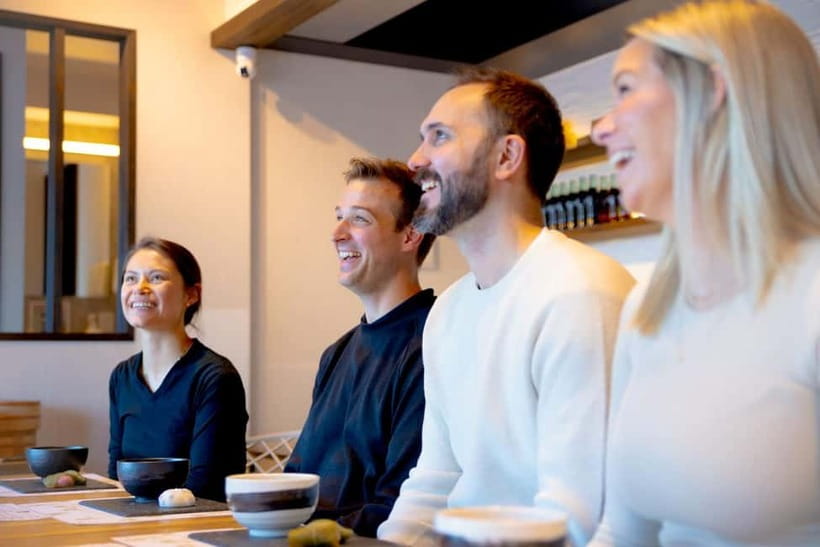
Wear something comfortable for sitting at the table and handling the tools. The class does not require kneeling, which makes the setup easier for most people.
Arrive with the building and floor details saved on your phone. The meeting point is the third floor of the Galleria Acca Building, about five minutes from Shinsaibashi Station. If the exterior is not immediately obvious, look for the stairs and confirm you are heading to the third floor.
Think of the class as a compact cultural appointment. You can pair it with Dotonbori, Shinsaibashi shopping, or a meal nearby, but allow enough time to find the building and settle in.
If you are sensitive to caffeine, ask the instructor about the matcha before drinking. The supplied information does not give caffeine details, so the staff are the right people to consult.
Should you book it?
Book this class if you want to learn by doing. The combination of a matcha quiz, guided whisking, Japanese sweets, and friendly English instruction gives you more than a café stop, while the central location and one-hour schedule keep it easy to fit into Osaka plans.
Skip it if you want a formal, extended tea ceremony or a full meal. For everyone else, the $22 price, six-person limit, and consistently warm teaching make this a sensible Osaka activity, especially for a first matcha experience.
FAQ
How long does the matcha making experience last?
The activity lasts one hour. Starting times depend on availability.
How much does the experience cost?
The listed price is $22 per person.
Where does the activity meet?
The meeting point is on the third floor of the Galleria Acca Building, about five minutes from Shinsaibashi Station. The coordinates are 34.6723159, 135.5024459.
Is the class taught in English?
Yes. The instructor and local staff provide English-language guidance.
How many people are in each class?
The activity is limited to six participants, making it a small-group class.
Are matcha and Japanese sweets included?
Yes. You prepare and drink your own matcha, and Japanese sweets are served with it. The ingredients are included as part of the class.
Can I cancel for a refund?
You can cancel up to 24 hours in advance for a full refund. The activity also offers a reserve-now, pay-later option.
Just added around Osaka
- Osaka Food Tour with 10 Classic Japanese Tastings & Drinks★ 5.0 · 38 reviews
- Osaka: Highlights & Hidden Gems Private Walking Tour★ 4.7 · 38 reviews
- Kyoto private tour (Shore excursion available from Osaka or Kobe port)★ 5.0 · 39 reviews
- Osaka Private Day Trip – Enjoy Your First-Time Visit to Osaka!★ 5.0 · 39 reviews
- Kyoto & Nara & Uji: Full Day Sightseeing Tour from Osaka or Kyoto★ 4.5 · 39 reviews
- Authentic SUSHI Course Cooking Class★ 5.0 · 39 reviews
- Osaka: Mind & Spirit Balance Temple Reiki Healing★ 5.0 · 41 reviews
- Osaka: Gluten-Free Ramen and Gyoza Cooking Class★ 5.0 · 42 reviews
Dessert Tours, compared.
Matcha Making Class in Tokyo with Authentic Japanese Sweets Set
Read our review →
Matcha Making Class in Osaka with Authentic Japanese Sweets Set
Read our review →
Matcha Making Experience with Mochi Sweets in Asakusa
Read our review →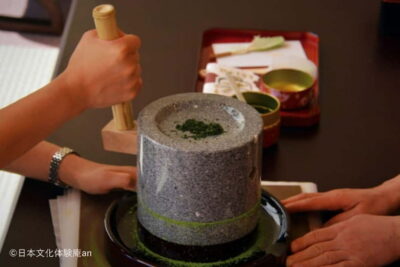
Japanese Traditional Sweets Making and Tea Ceremony
Read our review →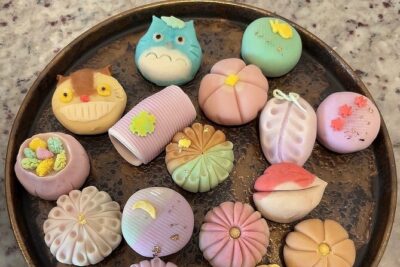
Make Traditional Nerikiri Sweets & Matcha experience in Shibuya
Read our review →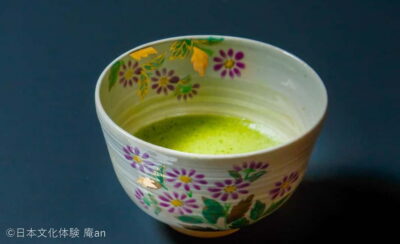
Japanese Traditional Sweets Making and Tea Ceremony
Read our review →
Private Mochi Sweets Making class near Shibuya area
Read our review →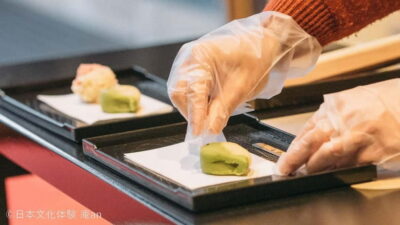
Japanese Traditional Sweets making and Tea Ceremony
Read our review →Browse the lists this tour appears in