
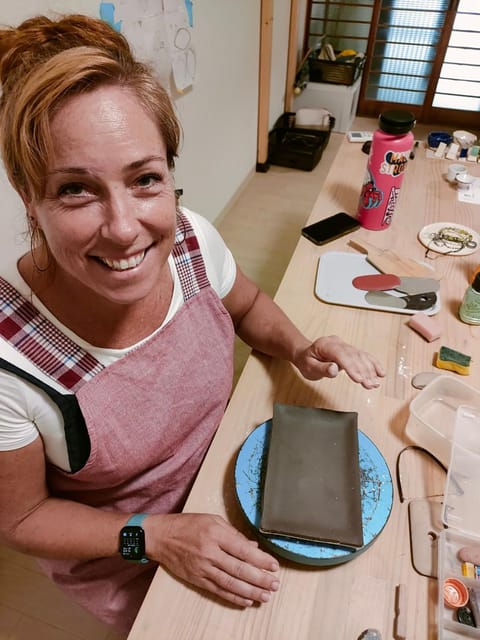
Reviewed · TRADITIONAL CRAFT WORKSHOPS
Osaka: Traditional Japanese Ceramics Private Experience
Clay makes a better souvenir. This private Osaka workshop combines hands-on pottery with a walk through a local neighborhood, and I like the personal teaching from Anna, whose ceramic studies include Osaka and Barcelona. I also like the choice of a sake set, sushi set, or tea bowl, each tied to Japanese food and daily life. The main drawback is that your finished piece takes about a month and a half to arrive, and shipping costs extra.
Meet Anna at JR Teradacho Station, then leave the main tourist routes behind for a century-old, two-story house beside shops selling local food. The setting gives the class a sense of place that a modern craft studio may not. Still, two hours is not a long time for pottery, so you should expect guided hand-building rather than a full course in wheel throwing, firing, and glazing.
In This Review
- Key details at a glance
- From Teradacho Station to an old Osaka home
- Anna’s introduction to Japanese ceramics
- Choosing your Japanese food-inspired piece
- Sake set: bottle and glass
- Sushi set: plate and chopstick holder
- Chawan tea bowl
- Shigaraki clay and Japanese glaze colors
- What two hours really gives you
- The gift you receive before leaving
- Is $96 a fair price?
- Who will enjoy this most
- Booking and timing tips for Teradacho
- Should you book the Ceramics Tocoton workshop?
- FAQ
- Where does the Osaka ceramics workshop meet?
- How long does the pottery experience last?
- What can I make during the class?
- What kind of clay is used?
- Which languages are available?
- Is the class private?
- Can I take my finished pottery home on the same day?
- Is transportation included?
Key details at a glance

- Shigaraki clay: Work with clay from one of Japan’s best-known pottery areas and decorate it with typical Japanese glazes.
- Three useful choices: Make a small sake bottle and glass, a sushi plate and chopstick holder, or a chawan tea bowl.
- Private instruction: Your group receives step-by-step help, with plenty of room for questions and adjustments.
- A local Osaka setting: Walk from Teradacho Station to a family home and studio outside the usual sightseeing zone.
- Languages beyond Japanese: The class is offered in English, Spanish, Catalan, or Japanese.
- A ready-made gift: Take home a small patterned dish and Sakura-shaped chopstick holder made by Anna.
From Teradacho Station to an old Osaka home
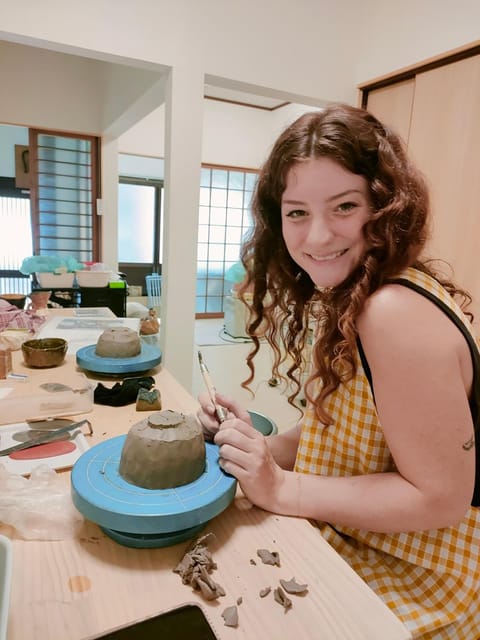
The meeting point is the north exit of JR Teradacho Station. Look for a guide holding a sign marked Ceramics Tocoton. Pickup at the station is included, but transportation to Teradacho is not, so you will need to arrange your own train journey.
The walk to the studio is part of the appeal. Instead of heading straight into a major sightseeing district, you pass into a quieter, everyday part of Osaka lined with local food shops. The route helps you shift gears from sightseeing to making something with your hands.
The studio occupies a century-old, two-story house that also serves as Anna’s family home. That arrangement gives the activity a personal feel. It is not a large production room designed for crowds, and the private format means your group does not need to keep pace with strangers.
This setting also comes with a practical point: the workshop is a lived-in home as well as a work space. That will suit you if you enjoy informal contact with local life. If you prefer a polished commercial studio with display shelves and a formal reception area, the atmosphere may feel more modest.
More Craft Workshops in Osaka
- Osaka: Traditional Mochi Pounding Experience with Tasting
★ 4.9 · 306 reviews - Kamigata Ukiyoe Museum:Ukiyo-e Woodblock Printing Experience
★ 4.9 · 79 reviews - 1.5〜2 Hours Traditional Kintsugi Work Shop in Namba Osaka
★ 5.0 · 75 reviews
Anna’s introduction to Japanese ceramics
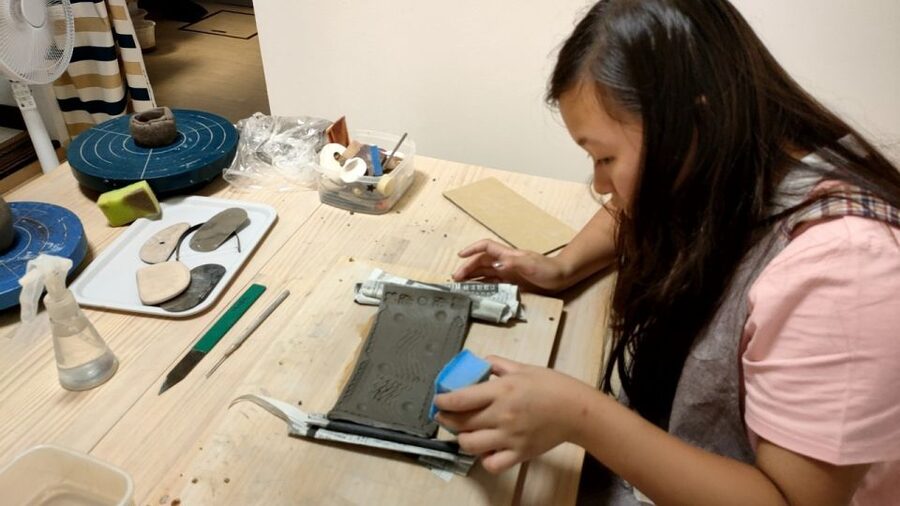
The class begins with an explanation of Japanese pottery, the available objects, and the cultural background connected to them. Anna has studied ceramic making in Osaka and Barcelona, and her teaching covers both technique and the meaning behind everyday pieces.
You can ask about Japanese culture, food, pottery designs, and local recommendations during the session. Several visitors found the conversation as valuable as the clay work itself, with discussions ranging from Japanese phrases to customs and Osaka suggestions.
Anna’s teaching style is patient and clear. She demonstrates the process, then lets you form the clay yourself instead of taking over when your shape goes wrong. That point matters for beginners. Pottery can look simple until your walls start to lean, but careful correction is part of learning the craft.
If you already have pottery experience, tell her. One returning level of instruction was adjusted for a participant who had worked with clay before. The class is aimed at beginners, but it can also give experienced potters a chance to compare Japanese hand-building methods with what they already know.
Refreshments and use of facilities are available at the studio. The room has also been described as clean and comfortable in winter, with heating available. These are small touches, but they matter during a relaxed two-hour activity.
Choosing your Japanese food-inspired piece
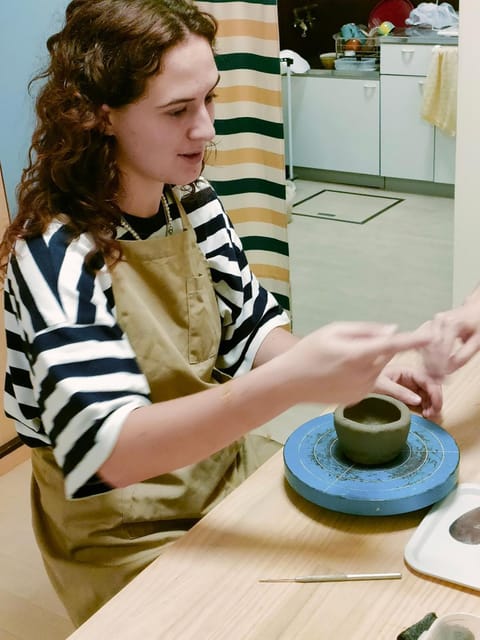
You choose one of three projects. Each creates a different kind of souvenir, so think about how you want to remember Japan before you start.
Sake set: bottle and glass
The sake set includes a small bottle and a drinking glass. It is the most ambitious option because you are shaping more than one item, but that also makes it a good choice for a couple or anyone who wants a coordinated set.
The form connects directly to Japanese dining customs. You can use it as a display piece or, once properly finished and suitable for use, as a reminder of an evening meal in Japan. A participant described making a sake set by hand as a highlight of the trip, which captures the satisfaction of creating something with several parts.
Because the set involves multiple pieces, allow yourself time and listen closely to Anna’s advice about thickness and shape. The two-hour class provides guidance, but it is not designed for endless revisions.
A completely different kind of day out in Osaka:
- Osaka Go Karting Tour with Funny Costume
★ 5.0 · 2,658 reviews - Osaka Castle: Museum and Tower Entry Ticket
★ 4.5 · 2,380 reviews - Osaka: Shinsekai Food Tour with 13-15 Dishes at 5 Eateries
★ 4.8 · 2,204 reviews - Osaka Food Tour: 13 Dishes at 5 Local Eateries
★ 5.0 · 2,149 reviews
Sushi set: plate and chopstick holder
The sushi option includes a sushi plate and a chopstick holder. It is a practical choice if you like the idea of using your souvenir at home rather than placing it only on a shelf.
The plate gives you a broad surface for shaping and decoration, while the holder adds a small sculptural element. The finished items can recall Japanese dining without taking up much space in your luggage, although you will still need to arrange shipping if you want the larger handmade piece sent home.
Chawan tea bowl
A chawan is a Japanese tea bowl. This may be the simplest choice in terms of the number of objects, but the bowl’s shape and feel demand care. You work on forming a balanced vessel that sits comfortably in the hand.
The chawan suits anyone drawn to tea culture or to the quiet, tactile side of pottery. It is also a good option if you want to focus on one object rather than divide your attention between a plate, holder, bottle, or glass.
Shigaraki clay and Japanese glaze colors
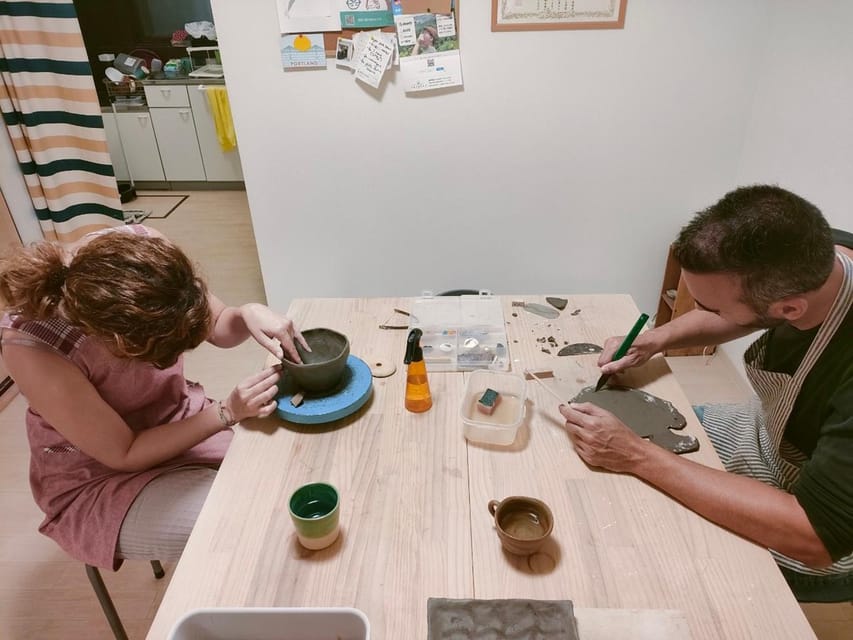
The clay comes from the Shigaraki area, one of Japan’s traditional pottery production regions. That gives the material a direct link to Japanese ceramic practice rather than treating the workshop as a generic craft class.
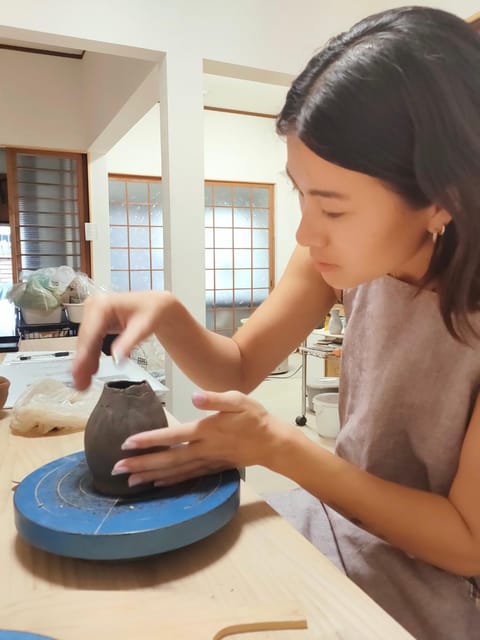
You shape the clay by hand with Anna’s guidance. The class does not promise wheel throwing, and the available projects are built around hand-forming. This makes the activity approachable for a first pottery class and gives you more control over the final character of the piece.
After shaping, you choose a glazed finish from colors typical of Japan. The glaze choice is important because handmade pottery often looks different after firing than it does while wet. You will not control every detail of the final result, which is part of the charm and also one reason not to expect a factory-perfect object.
Anna explains how to finish the piece and handles the next steps after the class. Your pottery takes about one and a half months to ship. Shipping is not included in the $96 price, so factor that extra cost into your souvenir budget before booking.
What two hours really gives you
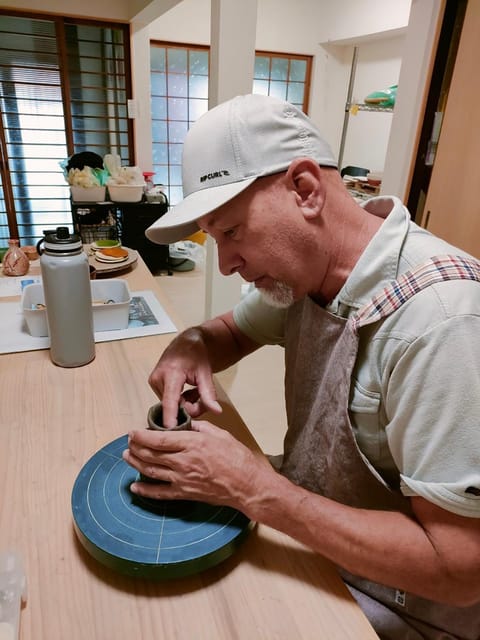
Two hours is enough for a focused introduction, a cultural talk, a demonstration, hands-on construction, glaze selection, cleanup, and the paperwork needed for shipping. It is not enough to cover every stage of Japanese ceramics in technical detail.
The private format improves the value of those two hours. You can ask for another demonstration, adjust the pace, and receive help with your own piece. Families and couples can work side by side without feeling they are holding up a larger class.
The activity has also worked well for solo participants. One person had the instructor to themselves and appreciated the calm pace, local conversation, and chance to make a sushi set. For a day when you want a break from walking around Osaka, the studio offers a quieter change of rhythm.
The class is not suitable for children under five. Older children can take part, and one family of five found the activity special for both adults and children. Still, clay work requires patience and careful listening, so the best fit is a child who can engage with a guided two-hour session.
The gift you receive before leaving
Your own piece is not the only souvenir. Anna gives you a small plate decorated with a traditional Japanese pattern and a chopstick holder shaped like a Sakura flower.
This gift is useful for anyone who does not want to wait six weeks for the fired work to arrive. It also makes the $96 fee feel more substantial, since you leave with something handmade by the instructor even before your personal pottery is completed.
The class includes the instructor, clay, typical Japanese glazes, the finished ceramic product, pickup from Teradacho Station, and the two small gifts. Transportation to the meeting point and shipping of your pottery are separate costs.
Is $96 a fair price?
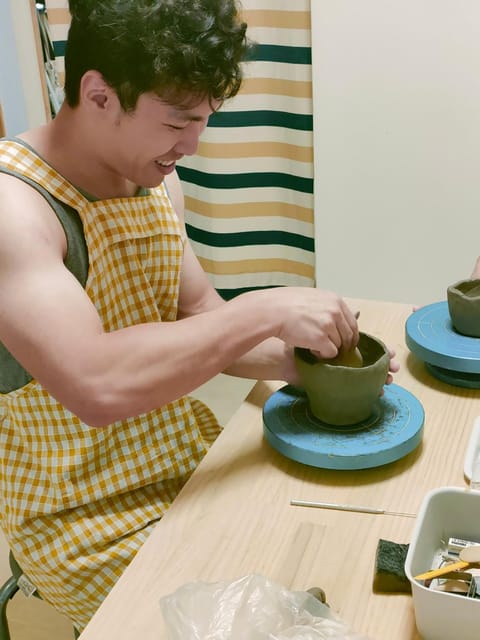
At $96 per person, this is not the cheapest craft activity in Osaka. The price makes more sense when you count the private format, materials, instruction in several languages, station pickup, finished pottery, and handmade gifts.
You are also paying for time with an instructor rather than a quick assembly-line activity. Anna’s role covers the technical side of shaping clay and the cultural side of explaining Japanese ceramics, food-related objects, and local customs.
The value is strongest for people who want a personal souvenir and an activity that adds context to a Japan trip. It is less compelling if you only want a low-cost way to pass an hour or if you need the finished item immediately.
Remember the extra shipping fee. The piece takes about a month and a half to reach your home, so this is not a take-home-that-day pottery class. If you have a tight budget or are moving between hotels, ask about the shipping arrangements before committing.
Who will enjoy this most
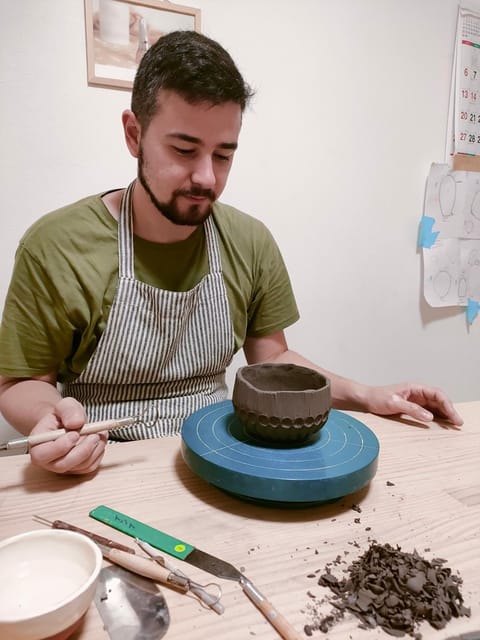
I would recommend this experience to:
- First-time potters who want patient, direct instruction
- Couples who want to make a shared food-related souvenir
- Families with children over five who can manage a two-hour class
- Experienced potters who want to try Japanese hand-building methods
- Solo visitors looking for a calm activity away from the main sightseeing areas
- Anyone who prefers local conversation to a large group tour
- Visitors who want to connect Japanese ceramics with tea, sushi, or sake
It is less suitable if you want a full-day pottery apprenticeship, a wheel-throwing lesson, or a finished object in your suitcase that same afternoon. It is also a poor match for anyone who dislikes home-based settings or hands-on work.
Booking and timing tips for Teradacho
Check the available starting times when you book. The activity lasts two hours, and arriving more than 15 minutes late is treated as a no-show, so plan your train journey with care.
If you expect to be delayed, contact the provider before the 15-minute limit. The meeting point is specific, and the guide is holding the studio sign at the north exit, but you should still allow a little time to find the correct side of the station.
The experience has a five-star rating from 57 reviews, with praise focused on Anna’s patience, clear demonstrations, cultural explanations, and friendly manner. That pattern is useful because it points to the real strength of the class: you are not left alone with a lump of clay and a vague instruction sheet.
Free cancellation is available up to 24 hours before the activity for a full refund. You can also reserve and pay later, which helps if your Osaka schedule is still shifting.
Should you book the Ceramics Tocoton workshop?
Book it if you want a personal, creative Osaka experience and do not mind waiting for your pottery. The walk from Teradacho Station, the old home studio, the Shigaraki clay, and Anna’s patient instruction create a more personal encounter than a standard souvenir stop.
Choose the sake set if you want a two-piece project, the sushi set for a useful dining souvenir, or the chawan for a single tea bowl with a quiet, classic feel. Add shipping to your budget and leave more than 15 minutes of schedule space around the meeting time.
Skip it if your priority is speed, a low price, or advanced wheel work. For everyone else, the workshop offers a rewarding way to slow down in Osaka and carry home a piece that began as your own uneven, very human lump of clay.
FAQ
Where does the Osaka ceramics workshop meet?
Meet the guide at the north exit of JR Teradacho Station. Look for a sign with the studio name, Ceramics Tocoton.
How long does the pottery experience last?
The workshop lasts two hours.
What can I make during the class?
You can make a sake set with a small bottle and glass, a sushi set with a sushi plate and chopstick holder, or a chawan tea bowl.
What kind of clay is used?
The workshop uses clay from the Shigaraki area, a traditional Japanese pottery production region.
Which languages are available?
Instruction is available in English, Catalan, Spanish, or Japanese.
Is the class private?
Yes. This is a private group experience.
Can I take my finished pottery home on the same day?
No. The pottery takes about one and a half months to ship. Shipping costs are not included.
Is transportation included?
Pickup from Teradacho Station is included, but transportation to the station and other transportation costs are not included.
Just added around Osaka
- Osaka Food Tour with 10 Classic Japanese Tastings & Drinks★ 5.0 · 38 reviews
- Osaka: Highlights & Hidden Gems Private Walking Tour★ 4.7 · 38 reviews
- Kyoto private tour (Shore excursion available from Osaka or Kobe port)★ 5.0 · 39 reviews
- Osaka Private Day Trip – Enjoy Your First-Time Visit to Osaka!★ 5.0 · 39 reviews
- Kyoto & Nara & Uji: Full Day Sightseeing Tour from Osaka or Kyoto★ 4.5 · 39 reviews
- Authentic SUSHI Course Cooking Class★ 5.0 · 39 reviews
- Osaka: Mind & Spirit Balance Temple Reiki Healing★ 5.0 · 41 reviews
- Osaka Afternoon Walking Tour with Osaka River Cruise★ 3.5 · 42 reviews
Traditional Craft Workshops, compared.
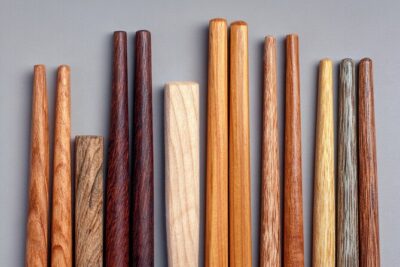
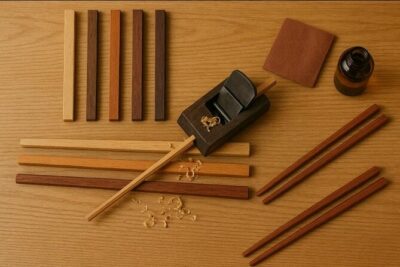
Chopsticks Making Workshop in Gion with Engraving Option
Read our review →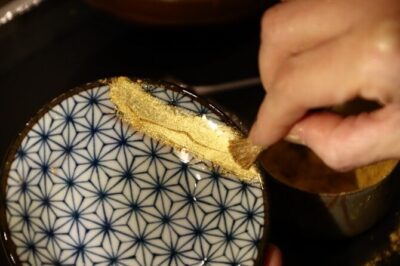
Kintsugi Experience: Art of Golden Joinery in Tokyo
Read our review →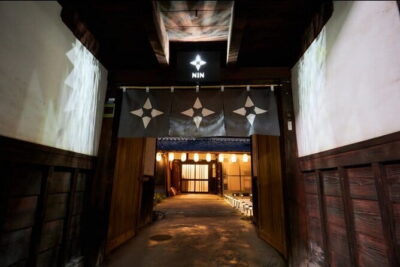
Authentic knife making experience at a blacksmith in Kyoto
Read our review →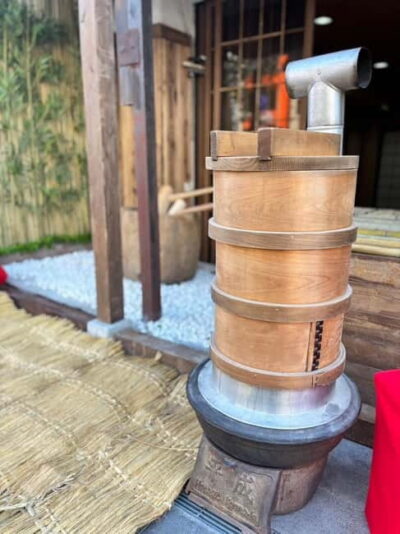
Traditional Mochi Pounding Experience with Tasting
Read our review →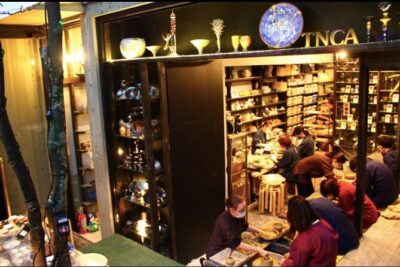
Authentic Pure Gold Kintsugi Workshop with Master Taku in Tokyo
Read our review →
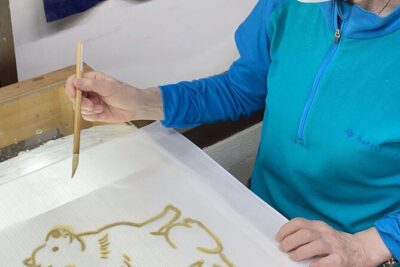
Roketsu dyeing experience: M course Roketsu Dyeing Experience
Read our review →Browse the lists this tour appears in