
Reviewed · COOKING CLASSES
Sushi and Japnese foods cooking class in Osaka
Make dinner, then eat it. This friendly Osaka class turns a meal into a hands-on cultural lesson, with licensed chef Yayo teaching sushi, miso soup, Japanese omelet, and other dishes in a small home setting. I like the personal instruction and the chance to share a fresh Japanese dinner you helped prepare. I also like the warm, informal welcome, including tea, snacks, and the sweet little dog Akane.
The main consideration is the class size and format. The experience is advertised as limited to eight participants, but the additional information says a maximum of two travelers, suggesting that the class may often operate as a private or very small lesson. That is excellent for personal attention, but less suitable if you want a busy group activity or advanced sushi-chef training.
In This Review
- Key points before you book
- Why this Osaka cooking class feels personal
- Meeting Yayo outside Noda Station
- Inside the small home cooking space
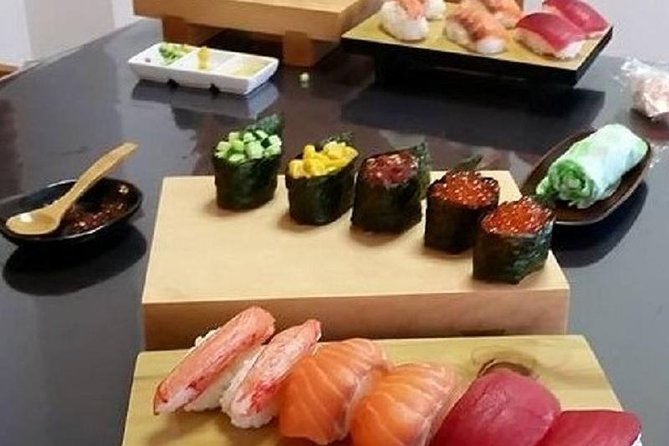
- Rolling sushi with fresh fish and nori
- More than sushi: miso, omelet, and Osaka favorites
- Sitting down to eat what you made
- Adding sake and Osaka-brewed beer
- What the $165.13 price really buys
- Who will enjoy this experience most
- Booking, cancellation, and practical details
- Should you book Yayo’s Osaka sushi class?
- FAQ
- Where does the cooking class begin?
- Where does the experience end?
- How long does the class last?
- What food is included?
- Is the cooking instructor English-speaking?
- Is sake included?
- How many people can join?
- What happens if I arrive late?
- Can I cancel for a refund?
Key points before you book
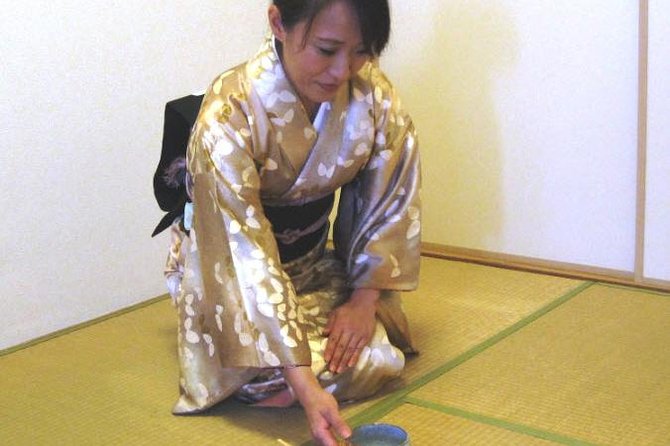
- Chef Yayo leads the lesson: You learn directly from a licensed, English-speaking instructor who explains both technique and food culture.
- Dinner is part of the class: Your meal includes the sushi you make, miso soup, Japanese omelet, snacks, and taiyaki dessert.
- The setting is a real home: After meeting outside Noda Station, you walk with Yayo to a nearby cooking space rather than entering a large culinary school.
- The class goes beyond sushi: Depending on the lesson, you may prepare tamagoyaki, takoyaki, matcha green tea, and miso soup.
- Sake is optional: An upgrade may include six sake samples, or four sake samples plus one Osaka-brewed beer.
- Punctuality matters: The meeting point is outside Noda Station, and arriving more than 10 minutes late can invalidate the booking without a refund.
Why this Osaka cooking class feels personal
Osaka is famous for eating well, but restaurant meals usually leave you on the outside looking in. You order, watch the food arrive, and enjoy the result. This class gives you a more active role. You handle the ingredients, try the rolling technique, make mistakes, and then sit down to eat what you created.
That simple change makes the meal more memorable. You are not just tasting sushi. You are learning why the rice matters, how fillings are placed inside nori, and how gentle handling affects the finished roll.
The class is led by Yayo, who is praised for her patience, kindness, clear English, and generous hosting. Her teaching style appears suited to beginners. You do not need to arrive with knife skills or previous cooking experience. The lesson is built around demonstration, practice, and encouragement.
I would choose this experience for anyone who wants food to be part of the cultural side of a Japan trip. It is especially useful if you want a relaxed evening with direct contact with a local instructor rather than a polished, large-scale cooking school.
More Cooking Classes in Osaka
- Osaka: Ramen and Gyoza Cooking Class in Dotonbori
★ 5.0 · 378 reviews - Osaka Cooking Class: Okonomiyaki &Japanese cuisines experience
★ 5.0 · 261 reviews - Ramen and Gyoza Cooking Class in Osaka
★ 5.0 · 202 reviews
Meeting Yayo outside Noda Station
The activity begins outside Noda Station in Osaka’s Fukushima Ward. The exact meeting address is listed as 1 Chome-1 Ohiraki, Fukushima Ward, Osaka, 553-0007. From there, Yayo walks with you to a nearby home for the lesson.
This meeting arrangement is practical, but you should treat it seriously. The instructions say that arriving 10 minutes late can make the contract invalid, with no refund. Osaka’s train system is efficient, yet stations can be confusing, especially when you are changing lines or trying to find the correct exit. Allow extra time and make sure you know which Noda Station the booking uses.
The location is near public transportation, and the activity ends back at the original meeting point. Hotel pickup and drop-off are not included, so you need to arrange your own route to and from Noda Station.
The short walk to the cooking space is part of the charm. You are not being delivered to a tourist facility with a waiting room and a row of identical workstations. Instead, you enter a more intimate setting that feels connected to ordinary Osaka life.
Inside the small home cooking space
The cooking studio is described as small. That has two effects. First, it keeps the class intimate and allows Yayo to watch your technique closely. Second, it means the experience is not designed for extra family members or friends who have not booked.
The small setting also explains why the class can feel more like being welcomed into someone’s home than attending a standard tour. Tea, light snacks, and conversation help settle you in before the cooking begins. One young dog, Akane, may also be part of the welcome.
You should be comfortable with a home-style environment. This is not a large professional kitchen with lots of space between workstations. The trade-off is clear: less room, but more direct help and a warmer connection with the instructor.
The class is listed as lasting about two and a half hours. That gives enough time for instruction, hands-on preparation, dinner, drinks if selected, and dessert without turning the lesson into an all-day commitment.
Rolling sushi with fresh fish and nori
The central lesson focuses on sushi rice, fillings, and rolling. Yayo demonstrates how to prepare the rice and how to arrange thinly sliced fish, referred to as sashimi, along with other ingredients on sheets of dried seaweed called nori.
You then choose from the ingredients provided and try the technique yourself. Expect a few imperfect rolls at first. That is part of the value. Sushi rolling looks easy when someone experienced does it, but the pressure of the mat, the amount of rice, and the placement of the filling all matter.
I like that the lesson does not stop at watching a demonstration. You get repeated chances to try. Yayo’s patient teaching style is particularly useful here because beginners need small corrections, not a long lecture.
The ingredients are described as fresh, with one account noting that some were homemade by Yayo’s mother and that fish was purchased from the market that morning. That kind of detail gives the meal a personal link to local cooking rather than making it feel like a generic demonstration.
Still, keep your expectations in the right place. One participant described the sushi lesson as simple and focused on basic items. This is a good introduction to making sushi at home, not professional training in fish cutting, advanced nigiri, or restaurant-level presentation.
A completely different kind of day out in Osaka:
- Osaka Go Karting Tour with Funny Costume
★ 5.0 · 2,658 reviews - Osaka Castle: Museum and Tower Entry Ticket
★ 4.5 · 2,380 reviews - Osaka: Shinsekai Food Tour with 13-15 Dishes at 5 Eateries
★ 4.8 · 2,204 reviews - Osaka Food Tour: 13 Dishes at 5 Local Eateries
★ 5.0 · 2,149 reviews
More than sushi: miso, omelet, and Osaka favorites
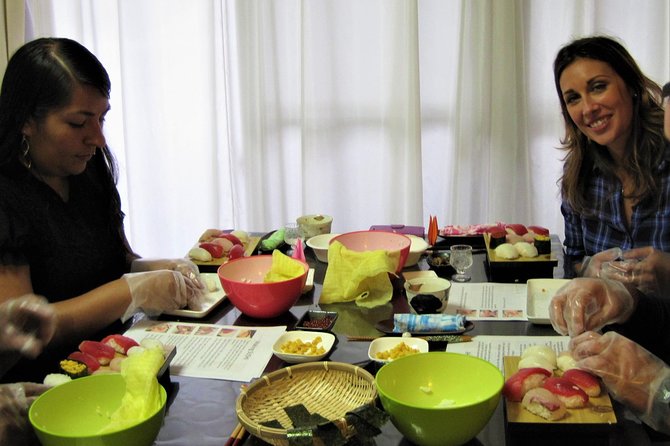
The class can include several Japanese dishes beyond rolled sushi. Miso soup and a Japanese omelet are part of the stated dinner. The omelet, often known as tamagoyaki or dashimaki, is a particularly useful skill to take home because it requires control, patience, and gentle movements.
Some descriptions of the class also include takoyaki and matcha green tea. These additions connect the lesson to Osaka’s food identity. Takoyaki, the small octopus-filled snack associated with Osaka, is very different from sushi in both texture and cooking method. Making it gives you another way to understand the city’s everyday food culture.
The class may also include small Japanese snacks served during the meal. Since the precise menu can vary, you should think of the sushi, miso soup, omelet, and dessert as the reliable core, with other dishes depending on the session.
Yayo also explains the reasons behind certain methods and offers cultural background while you cook. That matters because the class is not simply about copying movements. You learn how the dishes fit into Japanese home cooking and why small details, such as careful handling, make a difference.
Sitting down to eat what you made
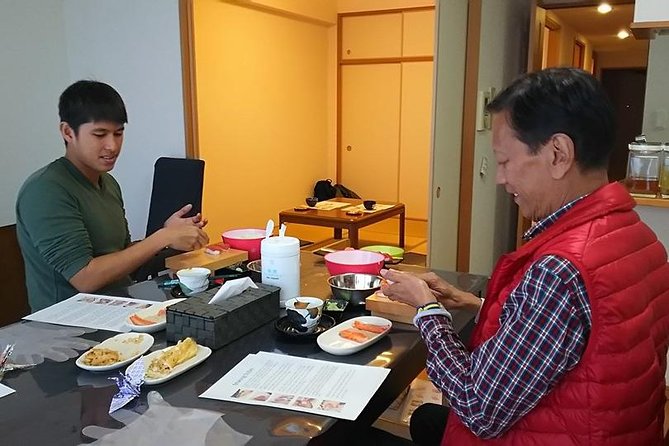
Once the cooking is finished, you sit down for dinner. The meal includes your sushi rolls, miso soup, Japanese omelet, and a selection of snacks. Taiyaki is served for dessert, giving the evening a sweet finish.
This shared meal is where the class earns much of its value. You have time to look at the finished dishes, compare your rolls, ask questions, and enjoy the food at an unhurried pace. The result may not look perfect, but it is yours.
The quality of the food receives especially strong praise. Fresh ingredients, homemade touches, and careful instruction make the dinner more than a novelty meal. You also leave with practical knowledge that can be used at home.
Portions and exact dishes are not specified in detail, so I would not book this expecting a fixed restaurant tasting menu. The appeal is participation and personal contact. If you want a formal multi-course dinner prepared entirely by someone else, an Osaka food tour may fit better.
Adding sake and Osaka-brewed beer
Alcohol is optional. The upgrade may include a tasting of six sakes, or four sakes and one bottle of Osaka-brewed beer. The included information also refers to two local sake cups if the relevant option is selected, so check the exact package when booking.
The tasting makes sense as an add-on if you enjoy learning through comparison. Sake has different aromas, textures, and levels of sweetness, and trying several samples alongside Japanese food can make the meal more interesting.
You should not assume alcohol is included in the base price. The standard experience includes dinner and cooking ingredients, while drinks are included only when specified or when you select the upgrade. If you do not drink, the class still works well because the cooking and meal are the main event.
What the $165.13 price really buys
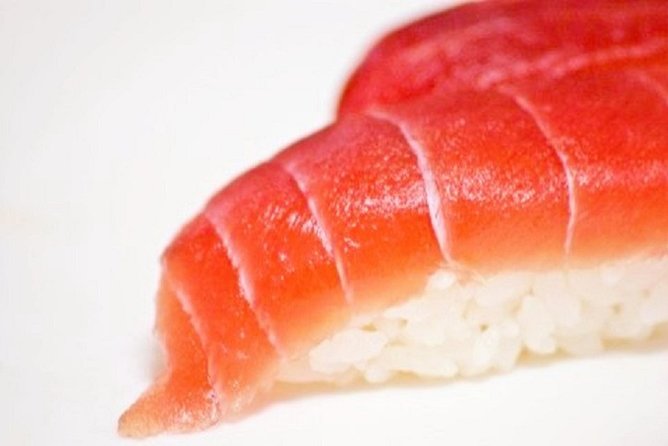
At $165.13 per person, this is not a cheap way to get dinner. You are paying for more than the ingredients. The fee covers a two-and-a-half-hour lesson, a licensed English-speaking instructor, a home setting, all cooking ingredients, and the meal you prepare.
The value improves if you want personal attention. A large group class might offer a lower price, but you may spend more time waiting for instructions or sharing a workstation. Here, the reported small-group format allows Yayo to correct your rolling technique and answer questions as they come up.
The value also depends on your interest in cooking. If you only want to eat sushi, the price may feel high compared with a good Osaka restaurant. If you want to learn several dishes and enjoy a welcoming local encounter, the cost is easier to justify.
Group discounts are available, so this may work better for couples, families, or a small party booking together. Confirm the current group arrangement, since the information gives both a maximum of eight participants and a maximum of two travelers. That inconsistency is worth clearing up before payment.
Who will enjoy this experience most
I would recommend this class to:
- First-time visitors who want a food-based cultural activity
- Couples seeking a personal evening in Osaka
- Families with children old enough to take part in hands-on cooking
- Sushi fans who want basic skills they can repeat at home
- People who enjoy meeting a warm local host
- Visitors who prefer small settings to large tour groups
It is less suitable for someone seeking advanced sushi instruction. You will learn rolling and preparation, but the class is described as basic rather than professional-level.
It may also be a poor fit if you dislike home settings, have a very tight schedule, or are likely to arrive late. The 10-minute rule is strict, and the meeting point is not at your hotel.
Booking, cancellation, and practical details
Confirmation is provided at booking, and a mobile ticket is available. The experience is near public transportation, but you are responsible for reaching Noda Station and returning from the meeting point.
Free cancellation is available up to 24 hours before the start time. Changes or cancellations made within 24 hours are not accepted for a refund. If poor weather causes the experience to be canceled, you can receive a different date or a full refund.
Adult pricing applies to all participants except children aged two and under. The class itself is held in a small cooking space, so only people included in the booking may join the lesson.
Before you go, check three things: the meeting instructions, the exact alcohol option, and the current participant limit. Those details affect the evening more than the basic menu does.
Should you book Yayo’s Osaka sushi class?
Yes, if you want a warm, practical food experience rather than a quick demonstration. The strongest reasons to book are Yayo’s patient teaching, the fresh ingredients, the home setting, and the chance to eat sushi, miso soup, omelet, and other dishes that you helped prepare.
The price is high for a simple dinner, and the sushi instruction stays at a basic level. But the experience offers something a restaurant cannot: time with a local teacher, hands-on practice, cultural explanations, and recipes you can try again at home.
Book it for the personal connection and the cooking, not just the sushi. If that sounds like your kind of Osaka evening, this is a good use of two and a half hours.
FAQ
Where does the cooking class begin?
The class begins outside Noda Station in Osaka, at 1 Chome-1 Ohiraki, Fukushima Ward, Osaka, 553-0007, Japan.
Where does the experience end?
The activity ends back at the original meeting point outside Noda Station.
How long does the class last?
The cooking class lasts approximately two hours and 30 minutes.
What food is included?
Dinner includes the sushi you make, miso soup, a Japanese omelet, and Japanese snacks. Taiyaki is served for dessert.
Is the cooking instructor English-speaking?
Yes. The class includes an English-speaking cooking instructor, and Yayo is described as a licensed chef.
Is sake included?
Sake is included only if you select the appropriate option. The available tasting may include six sakes, or four sakes and one bottle of Osaka-brewed beer. The booking information also refers to two local sake cups when the option is selected.
How many people can join?
The experience is described as limited to eight participants, while the additional information states a maximum of two travelers. Confirm the current group size when booking.
What happens if I arrive late?
The instructions state that being more than 10 minutes late can make the contract invalid, with no refund. Plan to arrive early at Noda Station.
Can I cancel for a refund?
Yes. You can cancel at least 24 hours before the start time for a full refund. Cancellations or changes made less than 24 hours before the experience are not accepted, and poor weather cancellations may result in a new date or full refund.
Just added around Osaka
- Osaka Food Tour with 10 Classic Japanese Tastings & Drinks★ 5.0 · 38 reviews
- Osaka: Highlights & Hidden Gems Private Walking Tour★ 4.7 · 38 reviews
- Kyoto private tour (Shore excursion available from Osaka or Kobe port)★ 5.0 · 39 reviews
- Osaka Private Day Trip – Enjoy Your First-Time Visit to Osaka!★ 5.0 · 39 reviews
- Kyoto & Nara & Uji: Full Day Sightseeing Tour from Osaka or Kyoto★ 4.5 · 39 reviews
- Authentic SUSHI Course Cooking Class★ 5.0 · 39 reviews
- Osaka: Mind & Spirit Balance Temple Reiki Healing★ 5.0 · 41 reviews
- Osaka: Gluten-Free Ramen and Gyoza Cooking Class★ 5.0 · 42 reviews
Cooking Classes, compared.
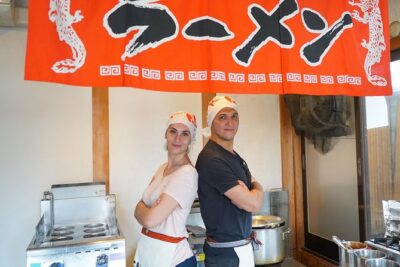
Ramen Cooking Class at Ramen Factory in Kyoto
Read our review →
Ramen & Gyoza Cooking Class in Tokyo with Local Supermarket Visit
Read our review →
Ramen Cooking Class at a Ramen Factory with Souvenir
Read our review →
Japanese Washoku Bento Small Group Cooking Class
Read our review →

Easy Ramen Cooking Experience in Kabukicho, Shinjuku
Read our review →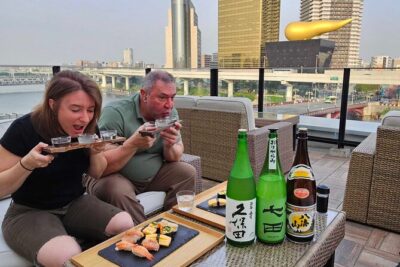
Ramen and Sushi Cooking Class with Sake Pairing Set in Tokyo
Read our review →Browse the lists this tour appears in