
Reviewed · TEA CEREMONY EXPERIENCES
Osaka: Private Tea Ceremony and Calligraphy Experience
Slow down in the middle of Osaka. This private class pairs a traditional tea ceremony with personalized kanji calligraphy, giving you a quiet cultural break near Namba and Shinsaibashi. I especially like the one-group format, since your instructor can adjust the pace, answer questions, and take photos without rushing. I also like that your calligraphy becomes a real souvenir, with your name converted into kanji to reflect your personality.
The main consideration is that this is a seated, hands-on cultural class rather than a sightseeing tour. You will not see Osaka’s landmarks during the 135 minutes, and the studio is not suitable for wheelchair users. Still, at $64 per person, the private attention, matcha-making practice, sweets, instruction, and finished artwork make this a strong value for anyone who wants more than a quick photo in a kimono.
In This Review
- Key Points
- A Calm Cultural Break in Central Osaka
- Finding the WA NO MA Studio Near Shinsaibashi
- The Calligraphy Lesson Begins With Meaning
- Choosing Paper and Making a Souvenir
- Learning the Tea Ceremony Through Matcha
- Japanese Sweets Add Seasonal Context
- Why the Private Format Is Worth Paying For
- What the Class Feels Like for Families
- A Few Limits to Keep in Mind
- Who Should Book This Osaka Experience?
- Should You Book the Private Tea and Calligraphy Class?
- FAQ
- Where does the tea ceremony and calligraphy experience take place?
- How long does the experience last?
- Is this a private experience?
- Which languages does the instructor speak?
- Do I make my own matcha?
- Are Japanese sweets included?
- Can I take home my calligraphy?
- Can the instructor write my name in kanji?
- What should I bring?
- Is the experience accessible for wheelchair users?
Key Points
- Your name becomes a personal kanji design: The instructor can suggest Japanese characters based on your personality, interests, or chosen theme.
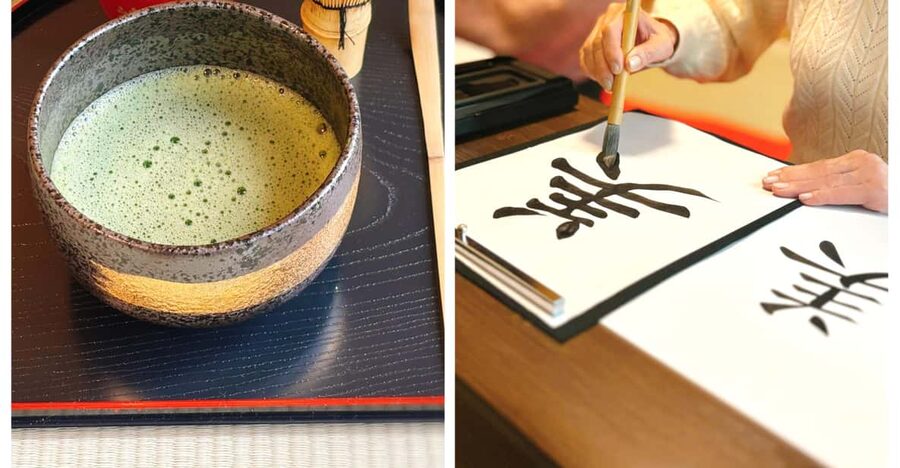
- You make your own matcha: You first learn the process, then whisk tea yourself and taste it with Japanese sweets.
- The private format changes the experience: You can ask questions freely, request photos, and slow the class for children.
- You receive a handmade souvenir: You choose colored paper, write your kanji, add your name and stamp your initials.
- The class is easy to reach in central Namba: The studio is about 30 seconds west of the New Osaka Hotel Shinsaibashi entrance.
- Children have a cleaner option: Water calligraphy is available for young children who may not want ink on their hands or clothes.
A Calm Cultural Break in Central Osaka
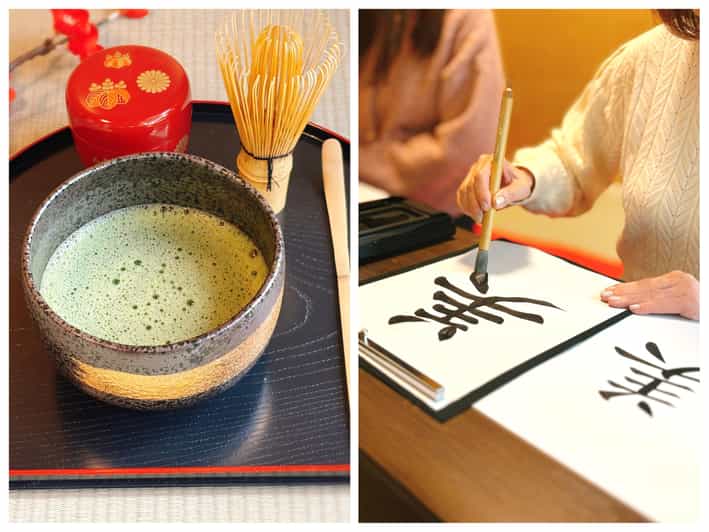
Osaka is famous for food, shopping, neon streets, and quick-moving city life. This experience gives you a different side of the city. Inside the WA NO MA studio, the focus shifts to careful movements, quiet concentration, and conversation with an instructor in traditional clothing.
The setting is private, so you are not performing in front of a large class. That matters if you feel awkward trying unfamiliar customs. You can make a mistake, laugh about it, and try again without feeling that you are holding up a group.
The private setup also works well for families. The instructor can slow down for a child, take extra pictures, or spend more time explaining a point. One family particularly appreciated how well the teacher kept two children, ages 10 and in their teens, involved during the class.
The instructor, often identified as Wanoma or Wa No Ma, receives especially strong praise for warmth, patience, humor, and clear explanations. You are not simply handed a bowl and brush. The class explains what you are doing and why it matters.
More Calligraphy Classes in Osaka
- Osaka: Private Japanese Calligraphy Experience
★ 5.0 · 66 reviews - Calligraphy Workshop in Namba, Dotonbori
★ 5.0 · 57 reviews - Learning Zen of Japanese Calligraphy in kimono near Osaka Castle
★ 4.5 · 53 reviews
Finding the WA NO MA Studio Near Shinsaibashi
The meeting point is outside the main entrance of the New Osaka Hotel Shinsaibashi. Walk west for about 30 seconds, looking for a blue vending machine near the entrance.
The instructor waits outside five minutes before your scheduled start time and wears a kimono, making the meeting fairly easy to spot. I would arrive a little early anyway. Namba and Shinsaibashi can feel confusing if you are moving through crowded shopping streets or underground routes.
The central location is useful for planning. You can place the class between shopping on Shinsaibashi-suji and dinner in Namba. The experience lasts 135 minutes, so allow extra time afterward if you have a restaurant booking.
Wear socks. This is an easy detail to miss, and traditional Japanese activities often involve removing shoes or sitting in a particular way. Smoking is not permitted.
The Calligraphy Lesson Begins With Meaning
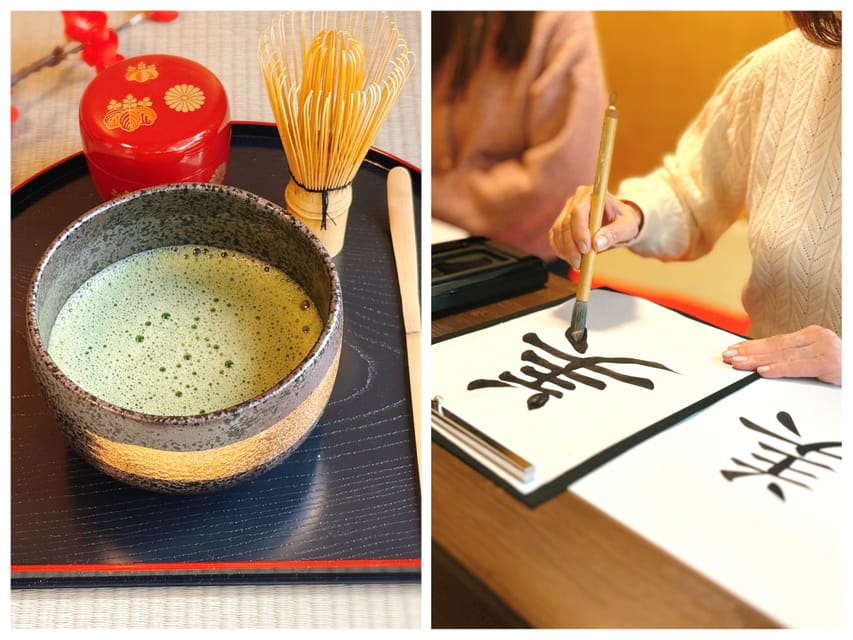
The calligraphy portion starts by asking you to choose a theme, favorite word, or group of letters. If you do not know what to pick, the instructor can suggest kanji that express your personality.
This is one of the most appealing parts of the class. You are not merely copying a random Japanese character because it looks attractive. You get a brief explanation of the meaning behind the character and a design connected to you.
The conversion of English names into kanji is not a direct letter-for-letter translation in the way you might expect from a Roman alphabet. The selected characters can reflect sound, meaning, or personal qualities. Since the instructor helps choose the characters, you avoid taking home something that looks nice but has an unintended meaning.
Next comes a lesson in basic brush technique. You practice the strokes before working on your final piece. This short practice stage is important, especially if you have never handled a calligraphy brush. The instructor can show you how to begin and finish each stroke, and how pressure affects the shape.
The lesson accommodates different skill levels. You can choose from characters with varying degrees of difficulty, so you do not need artistic training. If your brushwork is uneven, that is part of the point. The final work records your effort, not factory-level perfection.
Choosing Paper and Making a Souvenir
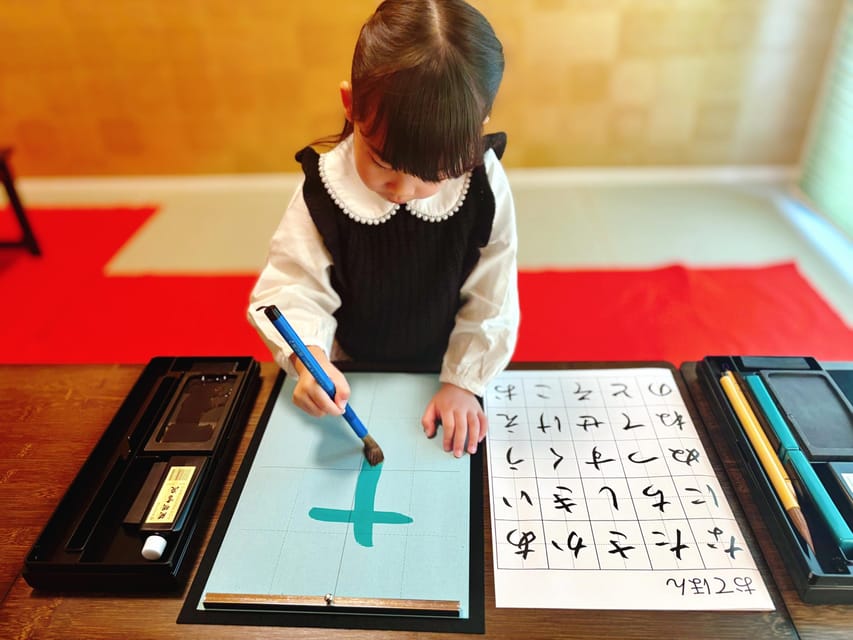
Once you have practiced, you select a favorite piece of colored paper from several options. The color choice gives the finished artwork a personal touch and makes it feel more like a keepsake than a worksheet.
You then write your chosen kanji, add your name in Japanese characters, and stamp your initials. The completed piece goes home with you. Several people valued this handmade souvenir because it carried a clear memory of the class and the city.
The instructor’s guidance is useful here. Calligraphy can look simple until you try to control a wet brush. The private format means you can ask for help with spacing, stroke order, or how to place the name. You should expect to produce something meaningful rather than museum-quality. That is a fair trade for a relaxed first lesson.
For young children, the studio offers water calligraphy. It avoids dirty hands and stained clothing while still letting children practice the movement of the brush. The activity details do not specify how long the water calligraphy section lasts, so families should treat it as an available option rather than a separate program.
More Tea Ceremonies in Osaka
- Osaka: Tea Ceremony Experience
★ 4.9 · 1,426 reviews - Tea Ceremony Experience in Osaka Doutonbori
★ 5.0 · 754 reviews - Osaka: Japanese Traditional Sweets Making and Tea Ceremony
★ 4.7 · 118 reviews - Samurai Show, Tea Ceremony, Japanese Traditional Activities
★ 5.0 · 56 reviews
Learning the Tea Ceremony Through Matcha
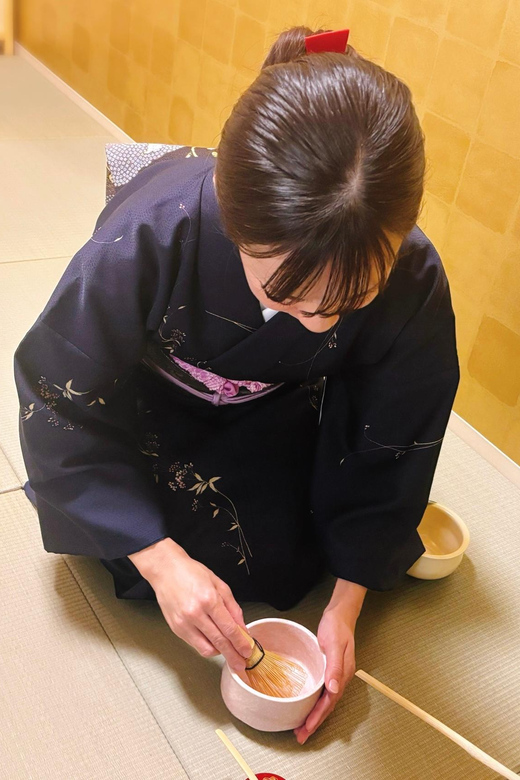
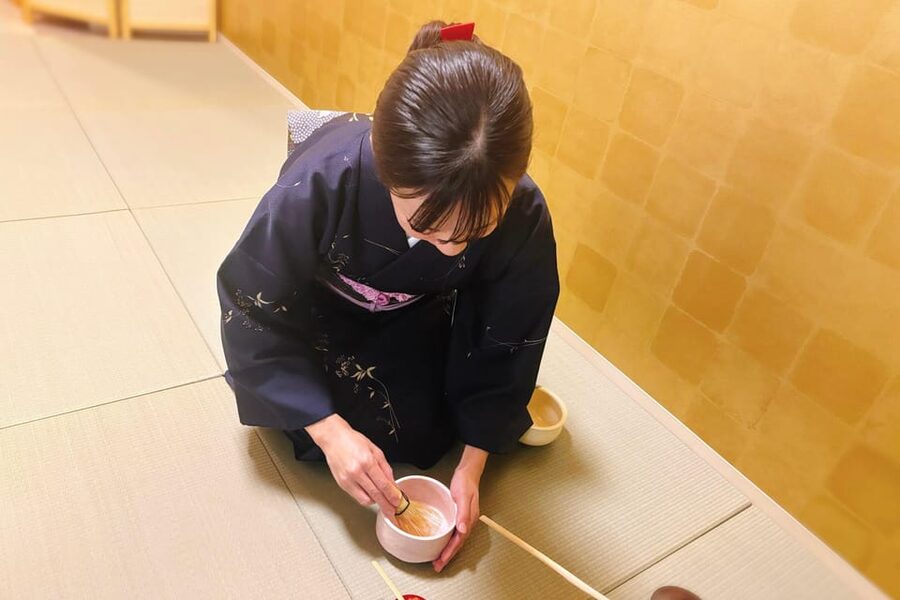
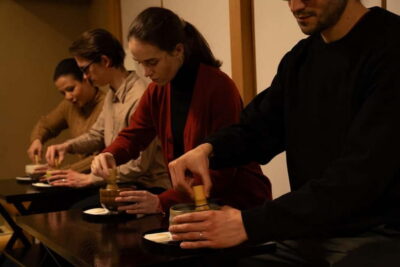
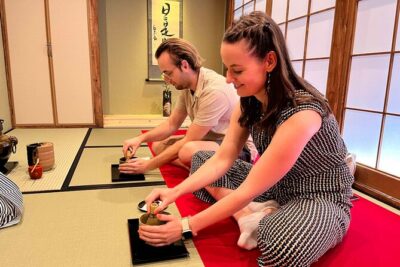
The tea ceremony section introduces the customs and movements used to prepare and enjoy matcha. The instructor explains the history and significance of the ceremony, then demonstrates how to make the tea.
You are not expected to know the rules in advance. The careful instruction is part of the attraction. You learn how to receive the tea, appreciate the bowl, and pay attention to the small steps that turn a simple drink into a formal moment.
You also choose a tea bowl that fits how you feel that day. This small decision adds a personal element to the ceremony. Different bowls can change the mood of the setting, and choosing one encourages you to look closely at an object you might otherwise overlook.
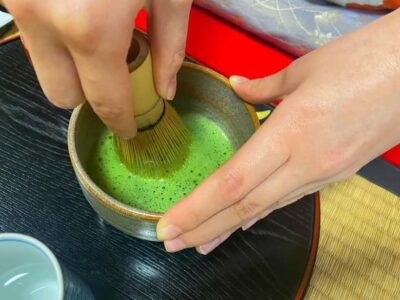
After watching the demonstration, you make your own matcha. The hands-on stage is usually the liveliest part of the tea lesson. You get to whisk the tea yourself rather than only watch the instructor perform the ritual.
The class is designed to be friendly to beginners. If you make the tea too thin, too strong, or simply handle the whisk awkwardly, the instructor can guide you without turning the moment into a test. The emphasis is on learning and enjoying the process.
Japanese Sweets Add Seasonal Context
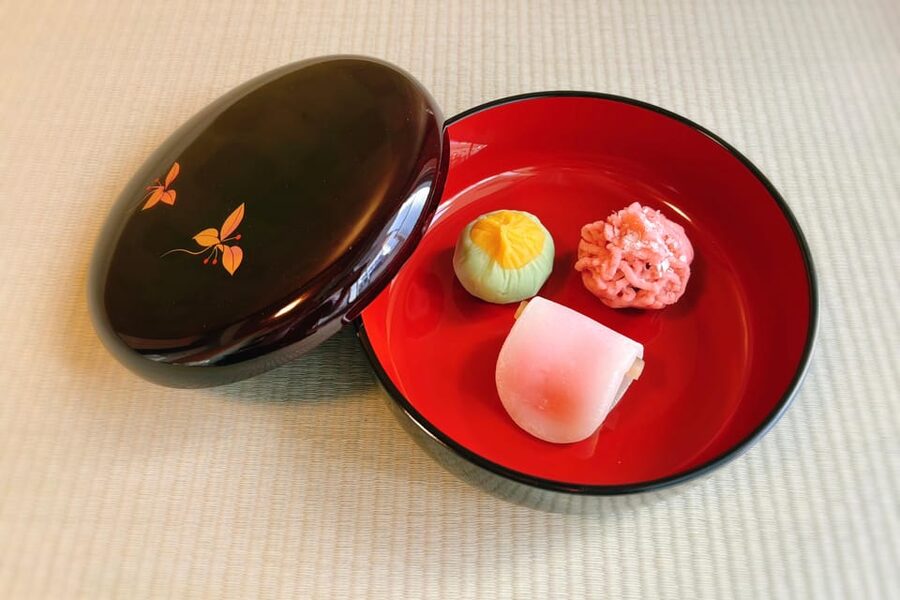
Matcha is served with different Japanese sweets, and sweets are enjoyed twice during the tea ceremony. They provide a useful contrast to the tea’s bitter, grassy flavor.
The sweets are not just a snack placed beside the bowl. The instructor explains that the types used can reflect the seasons. That detail gives the ceremony more context and helps you understand why Japanese food culture pays close attention to timing, shape, color, and presentation.
The exact sweets can vary, so you should not book expecting a particular item. One useful dietary detail is that the sweets served to one group were lactose-free. However, the available information does not promise that every session will suit every dietary need. If you have an allergy or strict restriction, ask the operator before booking.
The combination of sweets and matcha also makes the ceremony approachable. You are learning formal customs, but you are not expected to sit in silence for two hours with nothing to do. Tasting, choosing a bowl, whisking tea, and asking questions keep the class active.
Why the Private Format Is Worth Paying For
At $64 per person, the price is higher than a quick public demonstration, but this is not a quick demonstration. You receive 135 minutes of instruction, matcha, Japanese sweets, colored paper, the calligraphy activity, and the attention of an instructor.
The strongest value comes from the private group arrangement. Your instructor can tailor the pace, take photos when requested, and spend time on the parts that interest you most. A large class may be cheaper, but it can limit questions and leave you watching from the back.
The format is particularly worthwhile for couples, families, and small friend groups. You share the cost while keeping the session personal. It also suits solo visitors who want direct instruction instead of a passive cultural show.
The experience is not the best value for someone who only wants a souvenir photo or a short introduction to matcha. You will spend a substantial amount of time learning brush strokes, tea customs, and preparation steps. That is the reason to book it, not a drawback, but it requires interest and patience.
What the Class Feels Like for Families
Children can take part, but the experience involves careful movements and attention. The private format helps because the instructor can slow the lesson to match a child’s pace and adjust the schedule when requested.
Water calligraphy is the practical choice for young children who might get ink on their clothing. Older children can try standard calligraphy and choose a character at a suitable difficulty level.
The tea ceremony can also work well for families because children get to make something, taste sweets, select a bowl, and whisk matcha. Parents should still consider that the class is not an open play activity. It rewards listening and following directions.
The instructor’s friendly style is a major advantage. Questions are welcomed, and mistakes are treated lightly. That makes the class less intimidating for children and adults who worry about getting traditional etiquette wrong.
A Few Limits to Keep in Mind
This experience takes place in a studio, not at a major temple or historic tea house. If you are hoping for grand architecture or a tour through Osaka, this will not provide it.
The studio setting does offer control, comfort, and privacy. You can focus on the activity without the noise of a large public venue. The tradeoff is that the atmosphere depends more on the instructor and the quality of the teaching than on the building itself.
The activity is not suitable for wheelchair users. The provided information does not give further details about seating, floor access, or other mobility needs, so contact the operator directly if you have questions.
You should also plan for a calm, seated session rather than a fast-paced outing. Some people will love that pause. Others may prefer an activity with more movement.
Who Should Book This Osaka Experience?
I would recommend it to first-time visitors who want a clear introduction to two Japanese arts without needing prior knowledge. It also suits returning visitors who have already seen Osaka’s main sights and want a slower afternoon.
Couples will appreciate the private setting and the matching souvenirs. Families can benefit from the flexible pace and water calligraphy option. Solo visitors get unusually direct access to the instructor and can ask as many questions as the schedule allows.
The class is also a good choice if you want a souvenir with a story. A shop-bought fan or charm can be lovely, but writing your own kanji and stamping your initials gives the object a stronger connection to your trip.
I would hesitate only if you dislike seated cultural demonstrations, have limited mobility, or want an activity with extensive sightseeing. This is a lesson first, with a souvenir and refreshments built into it.
Should You Book the Private Tea and Calligraphy Class?
Yes, if you want a personal, beginner-friendly cultural activity in central Osaka. The combination works well: tea ceremony teaches you to observe and follow tradition, while calligraphy lets you create something with your own hands.
The $64 price is fair for a private 135-minute session with an English-speaking instructor, matcha, sweets, materials, and a finished artwork. The strongest reason to book is the teacher’s attentive style. Wanoma is praised for making people comfortable, explaining details clearly, and encouraging questions without making the class feel stiff.
Choose a time when you can slow down. Bring socks, arrive at the New Osaka Hotel Shinsaibashi meeting point five minutes early, and decide whether you want your calligraphy theme to express a quality, feeling, or name. If that sounds like a good use of an Osaka afternoon, this is an easy experience to recommend.
FAQ
Where does the tea ceremony and calligraphy experience take place?
The studio is in Namba, central Osaka, near the Shinsaibashi-suji shopping street. Meet outside the main entrance of the New Osaka Hotel Shinsaibashi and walk west for about 30 seconds toward the blue vending machine.
How long does the experience last?
The activity lasts 135 minutes. Starting times vary, so you need to check availability when booking.
Is this a private experience?
Yes. It is arranged for a private group, allowing the instructor to focus closely on your group and adjust the pace when requested.
Which languages does the instructor speak?
The experience is offered in English and Japanese.
Do I make my own matcha?
Yes. The instructor first teaches you how to prepare matcha, then you make it yourself.
Are Japanese sweets included?
Yes. Matcha and various Japanese sweets are included, and sweets are served twice during the tea ceremony.
Can I take home my calligraphy?
Yes. You choose colored paper, write your selected kanji and name, stamp your initials, and take the finished artwork home.
Can the instructor write my name in kanji?
Yes. The instructor can help convert your name into kanji based on your personality and can also suggest characters connected to a theme or favorite word.
What should I bring?
Bring socks. All fees and taxes, calligraphy paper, matcha, sweets, the matcha-making activity, and an instructor are included.
Is the experience accessible for wheelchair users?
No. The activity is listed as not suitable for wheelchair users. Contact the operator directly if you need more information about access arrangements.
Just added around Osaka
- Osaka Food Tour with 10 Classic Japanese Tastings & Drinks★ 5.0 · 38 reviews
- Osaka: Highlights & Hidden Gems Private Walking Tour★ 4.7 · 38 reviews
- Kyoto private tour (Shore excursion available from Osaka or Kobe port)★ 5.0 · 39 reviews
- Osaka Private Day Trip – Enjoy Your First-Time Visit to Osaka!★ 5.0 · 39 reviews
- Kyoto & Nara & Uji: Full Day Sightseeing Tour from Osaka or Kyoto★ 4.5 · 39 reviews
- Authentic SUSHI Course Cooking Class★ 5.0 · 39 reviews
- Osaka: Mind & Spirit Balance Temple Reiki Healing★ 5.0 · 41 reviews
- Osaka Afternoon Walking Tour with Osaka River Cruise★ 3.5 · 42 reviews
Tea Ceremony Experiences, compared.
Tea Ceremony in a Traditional Tea House in Kiyomizu
Read our review →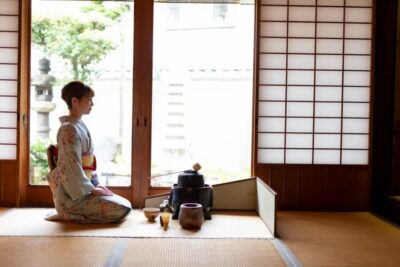
Browse the lists this tour appears in