Reviewed · RAMEN & NOODLE TOURS
Tokyo: Sushi and Ramen Cooking Class with Sake Pairing Set
Tokyo tastes better when you make lunch. This three-hour class in Tsukishima pairs hands-on ramen and sushi making with stories about Japanese food, three carefully chosen sakes, and a meal you prepare yourself. I especially like the small groups, which can be limited to about four people and never exceed eight, and the practical recipe booklet that helps you repeat the dishes at home.
The warm teaching style is another strong point. Instructors such as Sato, Haruko, Risa, and Alex have been praised for patient guidance and personal attention. The main consideration is the $129 price, which is fair for the food, instruction, sake tasting, and keepsakes, but higher than a simple market meal. Vegans and vegetarians should also skip this one, since the class includes fish and pork.
In This Review
- Key points at a glance
- Why this Tokyo cooking class works so well
- Arriving in Tsukishima, five minutes from the station
- Starting with the story behind sushi and ramen
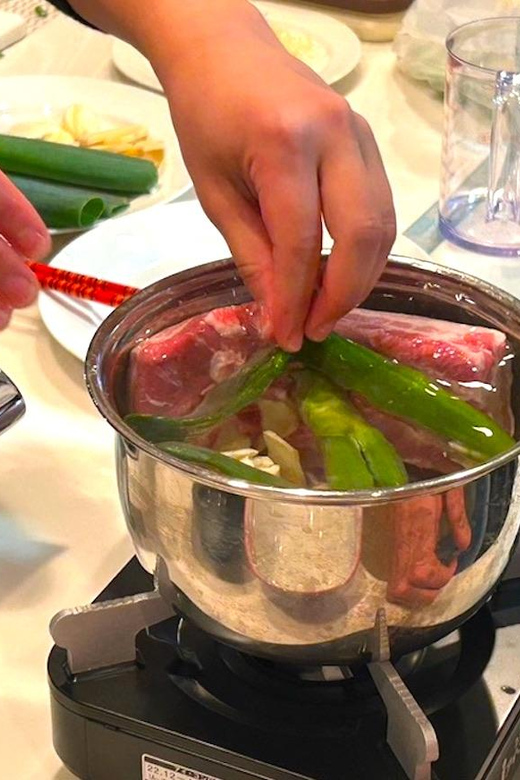
- Making ramen broth and melt-in-your-mouth chashu
- Shaping nigiri sushi by hand
- Three sakes with a certified sommelier
- What the small group changes
- Recipes, chopsticks, and skills you can use later
- Is $129 a good value?
- Who should book this experience?
- Final verdict: book it for food, people, and participation
- FAQ
- Where is the cooking class held?
- How far is the venue from Tsukishima Station?
- How long does the experience last?
- What languages are spoken?
- How many people are in each class?
- What food will I learn to prepare?
- Is sake included?
- Is the class suitable for vegetarians or vegans?
- What should I wear and when should I arrive?
Key points at a glance
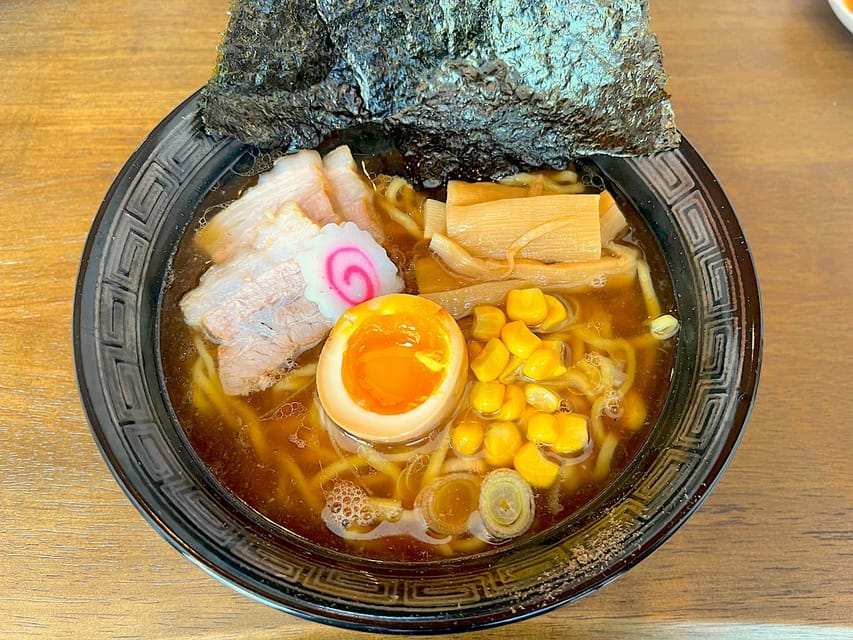
- Make two Japanese favorites in one sitting: Prepare ramen with broth and chashu pork, then shape nigiri sushi by hand.
- Small groups mean real help: With about four participants in many sessions and a maximum of eight, you get more guidance than in a large demonstration class.
- Taste three premium sakes: A certified sake sommelier selects the pairings and explains the drinks as part of the meal.
- Learn food culture, not just recipes: The class covers the origins of sushi and ramen, ingredient choices, and substitutions for cooking outside Japan.
- Take home useful extras: You receive a recipe booklet and a pair of high-quality chopsticks.
- Easy central Tokyo access: The venue is a five-minute walk from Exit 4 of Tsukishima Station, with Ginza, Tokyo Station, and Tsukiji nearby by taxi.
Why this Tokyo cooking class works so well
Tokyo offers endless chances to eat sushi and ramen. Those meals are often quick, polished, and memorable, but eating them only shows you the finished product. This class gives you a look at the work behind the bowl and the plate.
You get to handle ingredients, follow techniques, and sit down to eat what you helped prepare. That makes the experience useful for beginners, while experienced home cooks can still pick up small tips about seasoning, shaping sushi, and building a balanced meal.
The atmosphere matters here. The class is held in a cozy, clean venue rather than a large culinary school. Several sessions had only two people attending, turning the lesson into something close to a private class. That is a real advantage if you want to ask questions without feeling lost in a crowd.
The instructors also bring warmth to the teaching. Sato, Haruko, Risa, Alex, Misa, and Luna are among the names associated with especially friendly and encouraging sessions. Their approach seems less like a formal lecture and more like cooking with helpful local hosts who want you to succeed.
More Cooking Classes in Tokyo
- Ramen & Gyoza Cooking Class in Tokyo with Local Supermarket Visit
★ 5.0 · 823 reviews - Tokyo: Easy Ramen Cooking Experience in Kabukicho, Shinjuku
★ 4.6 · 321 reviews - Ramen and Sushi Cooking Class with Sake Pairing Set in Tokyo
★ 5.0 · 291 reviews
Arriving in Tsukishima, five minutes from the station
The class takes place on the second floor of HAUS Tsukishima, at 2-13-5 Tsukuda, Chuo-ku, Tokyo. From Exit 4 of Tsukishima Station, allow about five minutes on foot.
Tsukishima is a useful location for a Tokyo itinerary because it is close to several major areas. By taxi, the venue is listed as about six minutes from Tsukiji Fish Market, nine minutes from Ginza, ten minutes from Tokyo Station, and eleven minutes from teamLab Planets. Shinjuku is farther away at roughly thirty minutes by taxi.
You do not get hotel pickup or drop-off, so plan your route before class. I would arrive at least five minutes early, as requested. The meeting point is in a building, so arriving with a little breathing room is better than trying to identify the entrance while the class is starting.
If you take a taxi, show the driver this address:
東京都中央区佃2-13-5 HAUS Tsukishima 2階
Wear comfortable clothes that you do not mind getting a little dirty. Cooking is hands-on, and a spotless outfit is not the best companion for ramen broth and sushi rice.
Starting with the story behind sushi and ramen
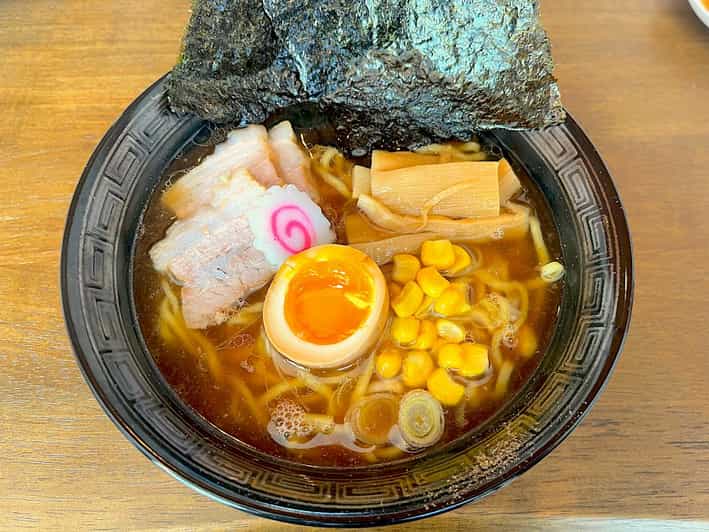
The class is not only about copying a recipe. You first get context about sushi and ramen, including how these foods developed and why their ingredients and methods matter.
That background adds value because sushi and ramen are often treated as simple Japanese symbols abroad. In practice, both dishes involve choices about texture, seasoning, preparation, and presentation. A short cultural explanation helps you understand what you are doing instead of simply following instructions by numbers.
The teaching is in English, and the instructors are Japanese. That combination is important for first-time cooks who want clear directions but also want a direct connection to Japanese food culture.
One session even included a short pop quiz to encourage everyone to work together. That sort of activity may not appeal to someone seeking a quiet demonstration, but it suits families and small groups who enjoy a bit of conversation and playfulness.
Making ramen broth and melt-in-your-mouth chashu
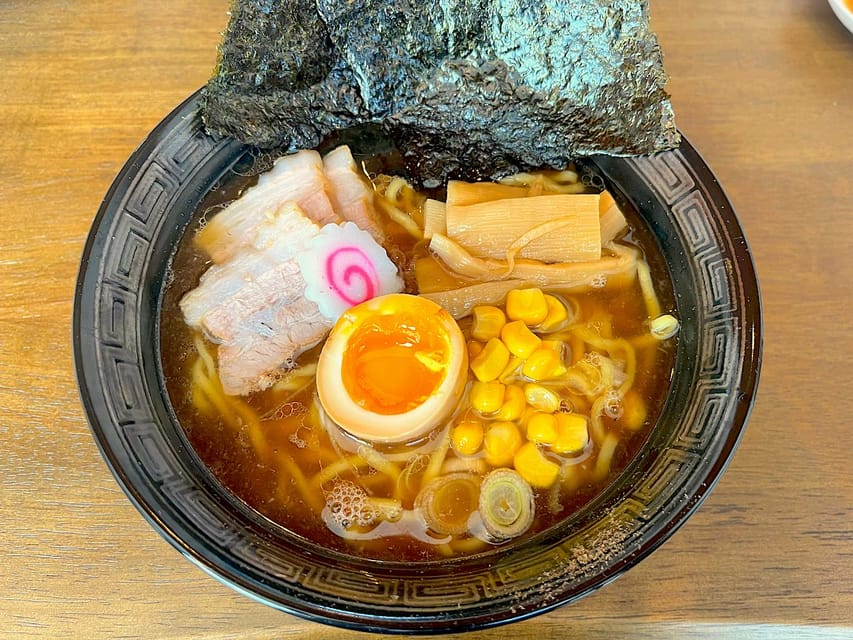
The ramen portion is the heart of the class for many people. You learn how to make a flavorful soup and prepare chashu, the tender pork belly commonly served with ramen.
You should understand the limits of a three-hour class. Some preparation is completed ahead of time so the dishes fit into the schedule. That is sensible, since a full ramen process can take much longer than an afternoon class. You still take part in the important cooking steps, but you are not spending the whole session waiting for broth or pork to finish.
The benefit is a class that keeps moving without making you feel rushed. One participant specifically noted that the facilities were immaculate and that advance preparation helped fit everything into the time available. The lesson still left enough time to cook, eat, and relax afterward.
The instructors also explain ingredients and offer tips for substitutions overseas. This is one of the most useful parts for anyone who wants to recreate ramen at home. Japanese ingredients can vary by country, and a recipe is far more helpful when it tells you what to use if the exact product is unavailable.
Several people described the finished ramen as excellent, with one calling it some of the best they had eaten. That is praise, not a guarantee, but the repeated approval of the food quality makes the ramen portion a strong reason to book.
More Food Tours in Tokyo
- Tokyo: Shinjuku Food Tour (13 Dishes at 4 Local Eateries)
★ 5.0 · 6,603 reviews - Tokyo Tsukiji Fish Market Food and Culture Walking Tour
★ 5.0 · 3,184 reviews - Tokyo: Shinjuku Food Tour (15 Dishes and 4 Eateries)
★ 4.9 · 2,033 reviews - Best of Shinjuku: Izakaya Food Tour (4 Stops, 14+ Tastings)
★ 5.0 · 1,863 reviews
Shaping nigiri sushi by hand
The sushi lesson focuses on nigiri, the style made by placing a slice of fish over a small mound of seasoned rice. You use provided ingredients and tools, then practice hand-forming the sushi.
Nigiri looks simple until you try to create a neat piece with the right shape and pressure. The class gives you a chance to work through that process with an instructor nearby. That is more useful than watching a chef perform the technique at speed.
You also learn about sushi’s origins and traditions. The cultural notes help put the hand movements in context, while the practical instruction gives you a skill you can try again at home.
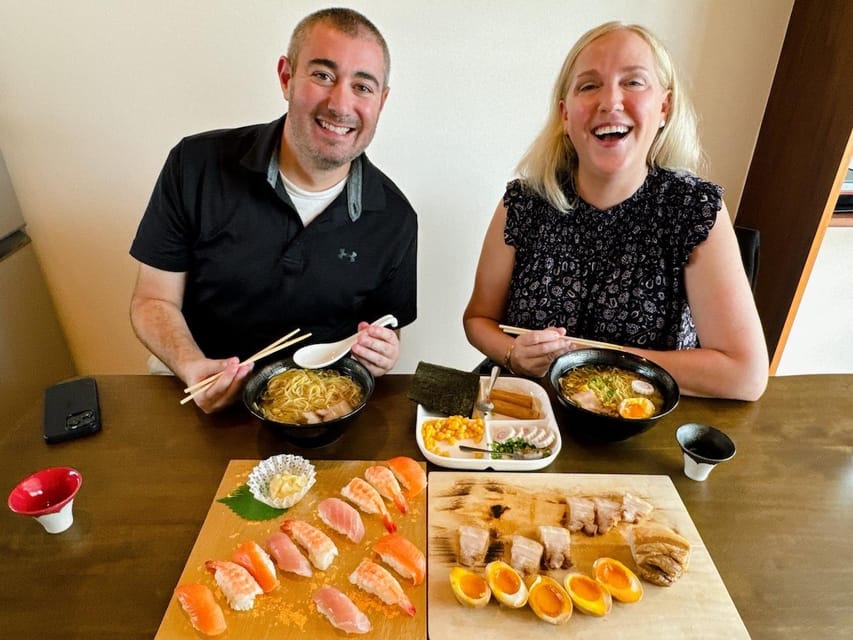
The meal is designed to be generous. One couple found the food so plentiful they could not finish everything, though portion sizes can vary. You should arrive ready for a substantial lunch or afternoon meal rather than a small tasting.
The sushi and ramen are prepared during the same class, so the timing has to be coordinated carefully. A well-run session lets you move between preparation and instruction, then enjoy the finished dishes without spending too much time waiting.
Three sakes with a certified sommelier
The sake pairing adds something beyond the cooking itself. You taste three premium Japanese sakes selected by a certified sake sommelier.
This is a good fit for curious drinkers who want to understand sake through comparison. Tasting several selections side by side gives you a clearer sense of how styles can differ than ordering one unfamiliar bottle at a restaurant.
One of the instructors comes from a sake brewing family and has a strong personal connection to the drink. That kind of family background can make the explanation feel more grounded than a basic tourist tasting.
The sake is paired with the food, so it becomes part of the meal rather than a separate add-on. Some sessions have also offered beer and other drinks, but the confirmed feature is the three-sake tasting. If you do not drink alcohol, check the arrangements before booking, since the experience is built around sake pairing.
What the small group changes
The official maximum is eight participants, but the class is often described as intimate, with about four people as the usual target. Some bookings have had only one or two participants.
That smaller format affects the quality of instruction. You can ask about rice texture, broth seasoning, sushi shape, or ingredient swaps without waiting for a large group to finish. Instructors can also notice when a beginner needs another demonstration.
It is a good setting for couples, families, and solo participants. A family can work together without being separated from the lesson, while a solo visitor may end up with unusually personal instruction if the class is lightly booked.
There is one trade-off. A cozy venue and small group may feel less like a grand professional kitchen and more like a cooking studio in a city building. If you want a polished chef performance in a large commercial space, this is not that kind of activity. If you value conversation and participation, the modest setting works in its favor.
Recipes, chopsticks, and skills you can use later
The recipe booklet is one of the best practical inclusions. It covers ramen, gyoza, and sushi, with detailed instructions for cooking at home.
Gyoza is not listed as one of the main dishes prepared in the class, so do not book expecting a full dumpling lesson. Instead, think of the booklet as an extra resource that expands your Japanese cooking options after you return home.
Ingredient advice is especially useful. The class includes suggestions for substitutions when you cannot find the exact Japanese products overseas. That makes the experience more than a pleasant afternoon. You leave with a better chance of actually using what you learned.
You also receive a pair of high-quality chopsticks. They are a small souvenir, but a sensible one. Unlike a decorative trinket, they fit the meal and can become a reminder to try the recipes again.
Is $129 a good value?

At $129 per person, this is not a budget meal. You can eat ramen or sushi in Tokyo for far less, especially if your only goal is to taste the food.
The price makes more sense when you count the full package: three hours of instruction, all ingredients, a complete ramen and sushi meal, three premium sakes, cultural explanations, a recipe booklet, and chopsticks. You are paying for time with an English-speaking instructor as much as for the food.
The small group is central to the value. A large class could offer similar dishes for less, but personal attention is harder to replace. If you are a beginner, traveling with children, or hoping to repeat the recipes at home, the extra cost is easier to justify.
I would consider it good value for someone who wants a memorable food activity rather than a cheap lunch. It is less attractive if you do not drink, cannot eat fish or pork, or have little interest in cooking.
Who should book this experience?
I would recommend it to first-time visitors who want a friendly introduction to Japanese food. It also suits families, couples celebrating a special occasion, and solo visitors who like meeting people through an activity.
You do not need prior cooking experience. The class has been designed for beginners, but people who already cook can still benefit from the ingredient tips and sushi technique.
This is not suitable for vegans or vegetarians. The focus is on sushi, ramen, and chashu pork, so anyone avoiding fish, meat, or related ingredients should choose another activity.
I would also avoid scheduling it immediately after a large meal. The food is described as delicious and plentiful, and you will want enough appetite to enjoy the ramen, sushi, and sake.
The free cancellation policy allows a full refund when you cancel at least 24 hours ahead. You can also reserve now and pay later, which helps if your Tokyo schedule is still shifting.
Final verdict: book it for food, people, and participation
Book this class if you want to do more than photograph sushi and eat a bowl of ramen. The best parts are the small groups, kind instructors, generous meal, useful recipes, and sake explanation from people with a real connection to Japanese food.
The $129 cost is the main hurdle, and the experience will not suit plant-based diners. For everyone else, especially families and curious home cooks, this is a practical and warm way to spend three hours in Tokyo. You leave with a full meal, new techniques, chopsticks, and a better sense of what goes into two of Japan’s most famous dishes.
FAQ
Where is the cooking class held?
It is held on the second floor of HAUS Tsukishima, at 2-13-5 Tsukuda, Chuo-ku, Tokyo 104-0051.
How far is the venue from Tsukishima Station?
The venue is about a five-minute walk from Exit 4 of Tsukishima Station, identified as Y21.
How long does the experience last?
The cooking class lasts three hours. Starting times vary, so you need to check availability for the date you want.
What languages are spoken?
The class is conducted in English by English-speaking instructors.
How many people are in each class?
The experience is limited to eight participants. The intended small-group size is about four people, and some sessions may have fewer.
What food will I learn to prepare?
You will learn to make ramen, including soup and chashu pork, and nigiri sushi. The recipe booklet also includes instructions for ramen, gyoza, and sushi.
Is sake included?
Yes. The experience includes three premium Japanese sakes selected by a certified sake sommelier.
Is the class suitable for vegetarians or vegans?
No. The experience is not suitable for vegans or vegetarians.
What should I wear and when should I arrive?
Wear comfortable clothes that you do not mind getting a little dirty. Arrive five minutes before the class begins.
More Sake Tastings in Tokyo
- Sake Tasting Masterclass in Shinjuku (8+ Varieties with a Pro)
★ 5.0 · 271 reviews - Sake Omakase in Tokyo: Guided Tasting by Certified Sommeliers
★ 5.0 · 239 reviews - Tasting All Types of Sake with Sommelier
★ 5.0 · 151 reviews - Wagyu & Sake Pairing in Shinjuku – Steak, Shabu-Shabu & More
★ 5.0 · 112 reviews
More Ramen Tours in Tokyo
- Eat and Drink Like a Local: Tokyo Ueno Food Tour-Taverns&Ramen
★ 5.0 · 957 reviews - Tokyo: Ramen Tasting Tour with 6 Mini Bowls of Ramen
★ 4.9 · 432 reviews - Professional Ramen & Gyoza with Ramen Chef in a restaurant!
★ 5.0 · 223 reviews - Shibuya: Ramen Dojo Tokyo | Make All 3 (Tonkotsu/Shoyu/Miso)
★ 5.0 · 214 reviews
Just added around Tokyo
- Tokyo 6hr Instagram Highlights Private Tour with Licensed Guide★ 5.0 · 38 reviews
- Tokyo Small Group Tour with Guide★ 4.5 · 38 reviews
- Tokyo Sumo Experience with Live Show & Audience Challenge★ 5.0 · 38 reviews
- Japanese Food Cooking Class in Asakusa, Tokyo★ 5.0 · 39 reviews
- Very popular in Harajuku♡Animal petting zoo★ 4.6 · 39 reviews
- Ramen Making from Scratch with Tokyo Mom(Vegan Option Available)★ 5.0 · 39 reviews
- Tokyo JDM Night: 600hp C63s AMG Edition 1 (Private)★ 4.9 · 39 reviews
- Tokyo: Kimono Rental inside Shinjuku Gyoen National Garden★ 4.9 · 39 reviews
Ramen & Noodle Tours, compared.
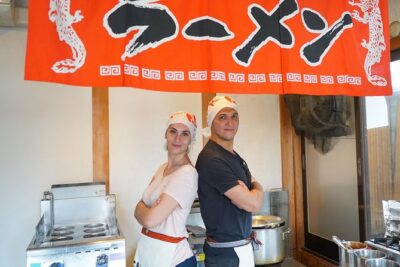
Ramen Cooking Class at Ramen Factory in Kyoto
Read our review →
Eat and Drink Like a Local: Tokyo Ueno Food Tour-Taverns&Ramen
Read our review →
Ramen & Gyoza Cooking Class in Tokyo with Local Supermarket Visit
Read our review →
Ramen Cooking Class at a Ramen Factory with Souvenir
Read our review →
Five Must-See Highlights Walking Tour & Ramen Lunch
Read our review →