
Reviewed · TEA CEREMONY EXPERIENCES
Kimono and Tea Ceremony in Miyajima
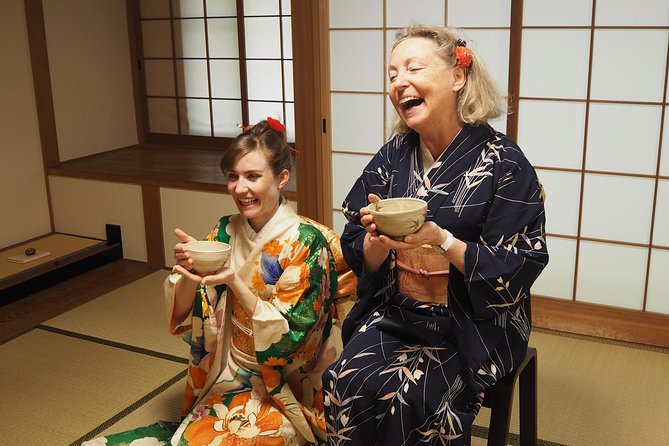
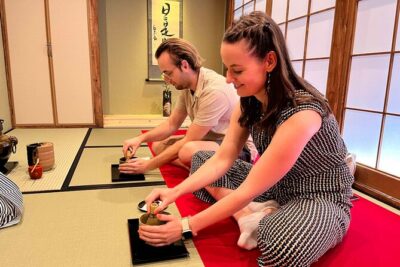
Quiet tradition, beautiful setting, lasting memories. This one-hour experience at Tokuju-ji Temple gives you more than a quick costume photo. You choose from more than 100 kimonos, receive careful help getting dressed, watch a tea master conduct the ceremony, and prepare your own matcha. I especially like the peaceful temple setting and the small-group format, which makes it easier to ask questions and see each step clearly. The main consideration is that the activity is short, so the dressing, ceremony, and photographs move at a steady pace.
I also like that you do not need to buy or rent a kimono elsewhere. The staff handle the dressing, explain proper tea etiquette, serve a sweet with the matcha, and take photographs during the session. One detail to know in advance: the tea ceremony uses tables rather than floor seating, which may disappoint you if you hoped for the classic kneeling arrangement.
In This Review
- Key Points at a Glance
- Why This Miyajima Tea Experience Works
- Finding Tokuju-ji Temple Near the Ferry Port
- Choosing a Kimono From More Than 100 Options
- The Tea Ceremony: Watch Closely Before You Try
- Making Your Own Matcha
- Temple Gardens and the Photo Session
- Tables Instead of Floor Seating
- Group Size, Pace, and Who Will Enjoy It
- Practical Details Before You Book
- Is the $85.89 Price Worth It?
- Should You Book Kimono and Tea Ceremony in Miyajima?
- FAQ
- Where does the Kimono and Tea Ceremony in Miyajima start?
- How long does the experience last?
- How many people can join?
- What is included in the kimono portion?
- Do I make my own matcha?
- Are photographs provided?
- What happens if bad weather cancels the activity?
Key Points at a Glance
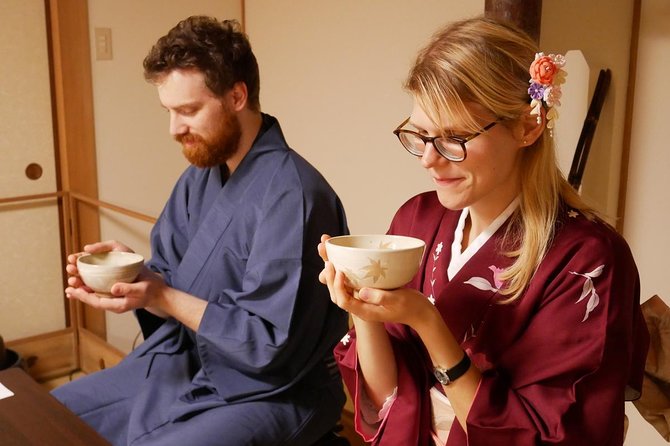
- Choose from more than 100 kimonos: The selection includes attractive options for different tastes and body types, with both men’s and women’s garments available.
- Meet close to Miyajima’s ferry port: The activity starts at Tokuju-ji Temple, making it a practical addition to a day on the island.
- Learn, then make your own matcha: You first watch a tea master and then prepare tea yourself.
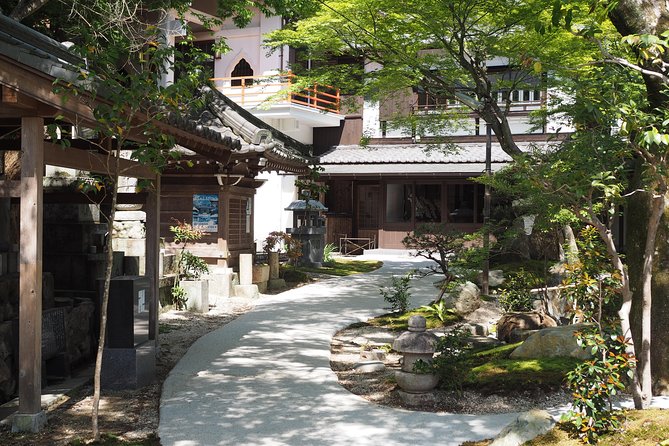
- Enjoy a quiet temple garden: The setting feels removed from the island’s busy shopping streets and gives you a calm place for photographs.
- Small groups keep the lesson personal: The stated maximum is 10 people, with many sessions described as intimate groups of around six.
- Photos are part of the experience: Staff take pictures during the dressing and ceremony, with access provided after completing a questionnaire.
Why This Miyajima Tea Experience Works
Miyajima is known for its shrine, wooded hills, deer, and waterfront views. Those sights are worth your time, but the island can also feel busy, especially around the ferry arrival area and main shopping streets. This activity gives you a different side of Miyajima: quiet rooms, careful gestures, traditional clothing, and the measured preparation of matcha.
I like the balance between watching and doing. You do not simply sit through a demonstration. First, you see how the ceremony works. Then you learn how to drink the tea properly and prepare your own bowl. That hands-on portion makes the experience easier to remember and gives you something practical to recreate at home.
At $85.89 per person, this is not a cheap add-on. The price makes more sense if you value personal instruction, a supplied kimono, professional dressing help, sweets, a temple setting, and photographs. You are paying for a cultural lesson as well as the clothing and setting. If you only want a kimono picture, you can probably find less expensive options elsewhere. If you want the meaning and manners behind the tea, this experience offers better value.
More Miyajima island trips:
- Peaceful Hiroshima & Miyajima UNESCO 1 Day Bus Tour
★ 5.0 · 5,309 reviews - Hiroshima: Hiroshima and Miyajima UNESCO Sites 1-Day Tour
★ 4.9 · 2,330 reviews - Hiroshima / Miyajima Full-day Private Tour with Government Licensed Guide
★ 5.0 · 1,298 reviews
Finding Tokuju-ji Temple Near the Ferry Port
The meeting point is Tokuju-ji Temple, formally listed as 徳寿寺, at 741-1 Miyajimachō, Hatsukaichi, Hiroshima 739-0513. The temple is near public transportation and close to the ferry port area, though you should allow enough time to locate the entrance rather than rushing straight from the boat.
The location is one of the strongest parts of the activity. The temple is described as a quiet place away from the main business streets, so the mood changes quickly once you arrive. That matters here. A tea ceremony depends on stillness, and the calmer setting helps you pay attention to the gestures instead of the noise around you.
The activity ends at the same meeting point. That is useful if you plan to continue sightseeing afterward, since you can return to the ferry area, visit nearby sights, or stop for food without arranging a separate ride.
Choosing a Kimono From More Than 100 Options
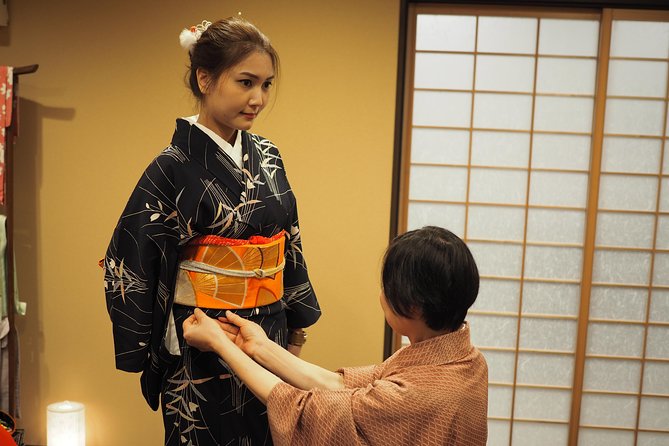
The first part of the session is dressing. You can choose a favorite kimono from a collection of more than 100 garments. That choice is part of the fun, but do not expect to put it on by yourself. Staff provide the items needed and carefully fit the clothing for you.
The dressing process is more important than it may first appear. A kimono is not simply a robe tied around your waist. The layers, sash, folds, and final adjustments create the formal look. Staff guide you step by step, and the care they take is a repeated strength of this activity.
The selection also appears to work well for different body sizes. One larger visitor specifically described receiving a good fit, and another noted that the male and female garments were made from attractive fabrics. That does not guarantee every style will suit every person, but the large selection gives the staff more choices than a small rental rack.
You should wear something comfortable underneath and be ready for a snug, structured outfit. The supplied information does not give detailed clothing rules, so it is sensible to avoid bulky layers that could make dressing harder. Once dressed, you have time for photographs in the temple grounds and garden.
The Tea Ceremony: Watch Closely Before You Try
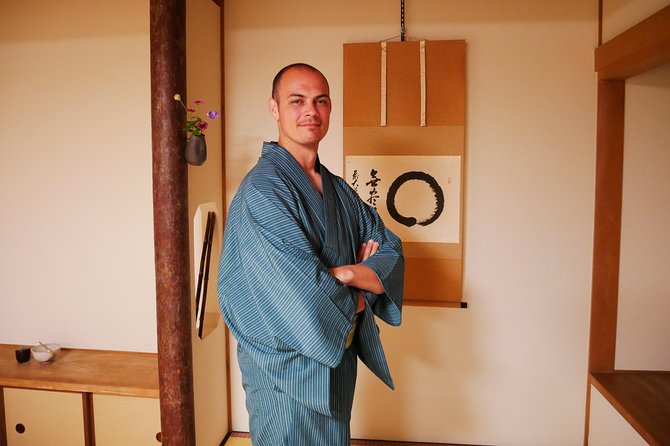
After dressing, you watch a tea ceremony conducted by a tea master. The demonstration shows the order of the movements, the proper way to receive the bowl, and the manners used when drinking matcha. Staff also explain the cultural ideas behind the ritual, including the four principles of tea-making in Buddhism.
The ceremony is formal, but the teaching approach is friendly. English-speaking assistance is available, and the staff are praised for explaining the steps clearly and answering questions. That makes a difference because tea ceremony etiquette can seem mysterious if you only watch from a distance.
You will likely notice how much attention goes into small actions: preparing the utensils, handling the tea bowl, and offering the drink with care. The point is not speed. It is respect, concentration, and hospitality. The staff connect those actions with the broader culture, so you leave with more than a few instructions to copy.
A sweet is served with the tea. Local Miyajima chocolate is also offered during the experience and receives special praise, so this is a pleasant part of the tasting rather than an afterthought. The sweetness helps balance the bitter edge of matcha, especially if you are trying it for the first time.
More tea ceremonies in Hiroshima:
- Hiroshima Local guided Hiking Tour&Open-air Tea Ceremony
★ 5.0 · 213 reviews - An Amazing set of Cultural experience: Kimono, Tea Ceremony and Calligraphy
★ 5.0 · 69 reviews - Hiroshima: Morning Hiking Tour with Open-air Tea Ceremony
★ 4.8 · 58 reviews - Cultural Activities :Kimono, tea ceremony, Calligraphy and Amulet
★ 5.0 · 44 reviews
Making Your Own Matcha
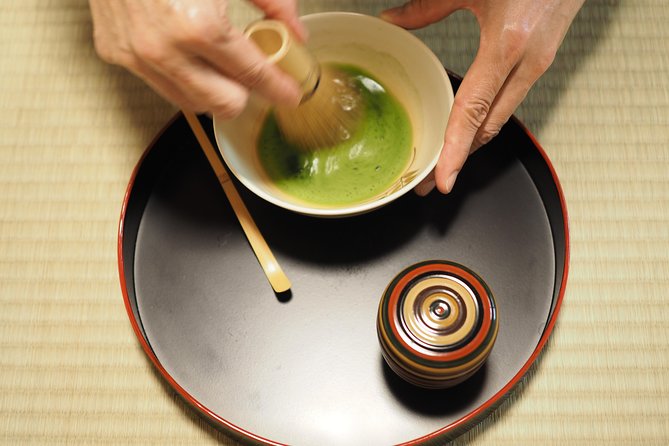
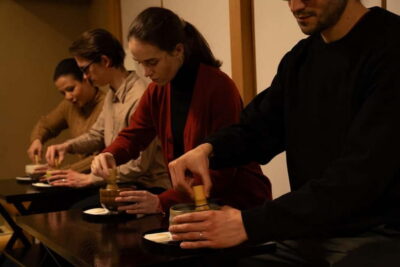
The most rewarding section comes when you prepare your own tea. After watching the tea master, you are shown how to make matcha and then taste the bowl you have prepared. This gives you a chance to practice the movements instead of simply observing someone who already knows them.
Do not worry about producing a perfect bowl. The value is in learning the process and understanding why each action matters. You can ask questions, follow the instructions, and enjoy the result. The lesson is designed so you can recreate matcha for friends at home, which gives the activity a useful afterlife beyond your day in Miyajima.
I would pay attention to the explanation of manners as much as the whisking itself. Many short cultural activities focus on the photo, but this one gives you a clearer sense of how tea is served and received. That is what makes it feel like a lesson rather than a quick dress-up stop.
Temple Gardens and the Photo Session
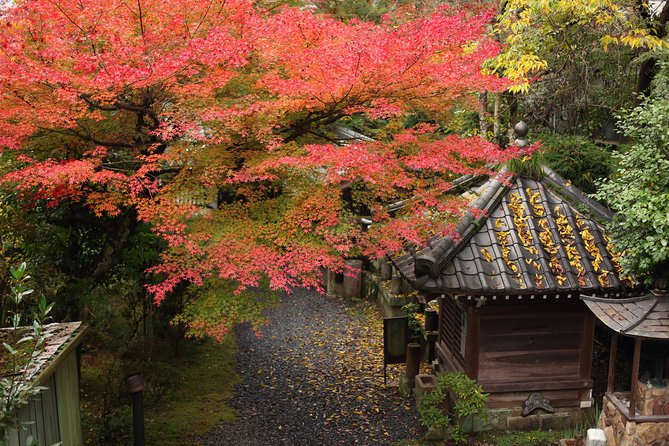
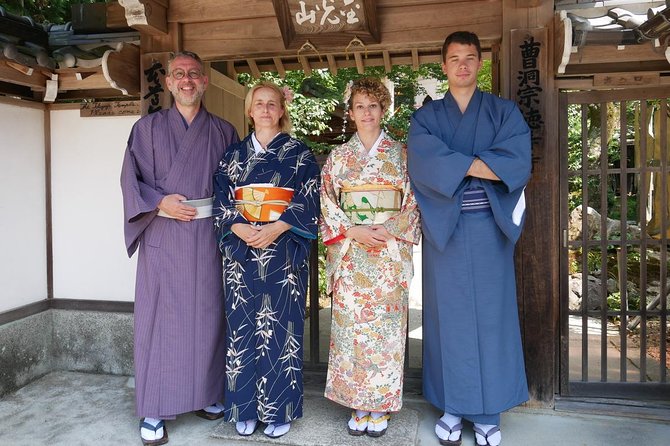
The temple grounds provide a natural backdrop for photographs. Once dressed, you can walk around the grounds and garden for pictures, while staff also photograph you during the lesson. The setting is quiet and attractive, so you do not need to search for a crowded public viewpoint.
Staff are particularly helpful with photos. They take pictures throughout the experience, and you can receive them by answering a questionnaire. One participant was also able to have a recording sent through Instagram, but you should treat that as a possible courtesy rather than a guaranteed service.
The photo time is valuable for couples, families, and friends. A kimono is difficult to arrange and wear at home, so photographs preserve the details of the clothing and the garden setting. Families with children have also found the staff patient and willing to help everyone take part.
You should still remember that this is a one-hour activity. The dressing itself takes time, and the tea lesson has a set sequence. You will get photographs, but this is not a long fashion shoot with unlimited poses. If photography is your main goal, keep your expectations realistic and use the available garden time well.
Tables Instead of Floor Seating
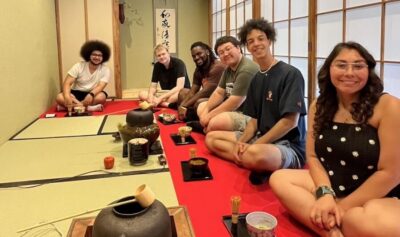
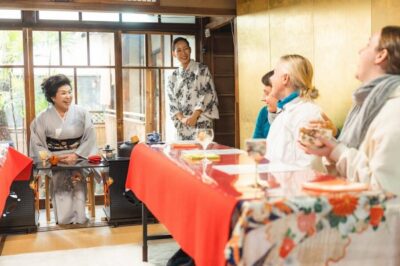
One small point may shape your expectations. The tea ceremony is conducted at tables rather than on the floor. If you picture a traditional room with everyone kneeling on tatami, the arrangement may feel less theatrical.
There is a practical reason for this format. Sitting on the floor for a full ceremony can be hard even for many Japanese people, and table-style tea service has been used in Japan for more than 100 years. The arrangement is not simply a shortcut for foreign visitors. It makes the activity easier for more people to enjoy.
I see this as a sensible tradeoff. You lose some of the visual drama of floor seating, but you gain comfort and can focus on the lesson. This is especially helpful for families, older adults, and anyone who would struggle to kneel for long.
Group Size, Pace, and Who Will Enjoy It
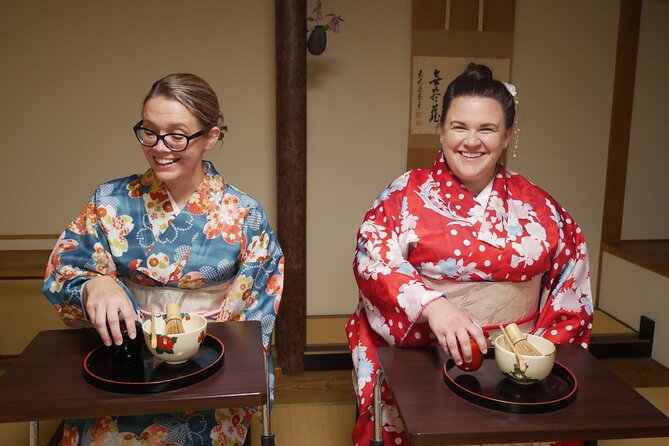
The activity has a stated maximum of 10 people, while the experience is often presented as a small group of around six. That is small enough for close viewing and personal help, but you should not assume you will always have a private session.
A smaller group matters during the kimono fitting. Staff can make adjustments, answer questions, and help with photographs without leaving you to figure things out alone. It also helps during the ceremony, since you can see the tea master’s hands and follow the order of the movements.
The one-hour duration suits a busy Miyajima day. You can fit it between ferry travel, sightseeing, and a meal without surrendering half your day. The tradeoff is a fairly brisk schedule. If you want a long meditation, extended conversation, or a leisurely photo session, this may feel brief.
The minimum age is six. Children have enjoyed both the kimono dressing and matcha lesson, and the staff are described as patient with families. Still, young children need to follow a quiet ceremony and handle hot tea carefully, so parents should judge the fit for their own group.
This experience is particularly good for:
- Couples wanting a shared cultural activity and photographs
- Families with children aged six and older
- First-time visitors seeking an introduction to tea ceremony
- People who want a quieter activity away from Miyajima’s main streets
- Anyone interested in wearing a kimono without arranging a separate rental
It may be less suitable if you dislike formal instruction, do not want to wear layered clothing, or want a long ceremony in a traditional floor-seating room.
Practical Details Before You Book
Confirmation is provided at booking, and a mobile ticket is available. The activity requires good weather. If poor weather causes cancellation, you are offered another date or a full refund.
You can cancel for a full refund up to 24 hours before the start time. Changes or cancellations made within 24 hours are not accepted and are not refunded, so keep your Miyajima schedule reasonably firm once you reserve.
Plan to arrive with enough time to find Tokuju-ji Temple near the ferry port. The supplied information does not give a precise walking time from the ferry, so do not assume you can step off the boat and appear at the meeting point immediately.
The start and end point are the same. That keeps the plan simple and lets you continue exploring Miyajima afterward. Since the session is short, I would pair it with other island sights rather than make it the only activity of the day.
Is the $85.89 Price Worth It?
The value depends on what you want from the hour. At $85.89, the experience costs more than simply putting on a rented kimono for a photograph. In return, you receive the garment, professional dressing help, a tea demonstration, your own matcha preparation, sweets, garden photo time, and staff photographs.
I think the price is fair for a visitor who wants guided cultural context and careful attention. The staff’s patience is central to the experience. You are not left wondering how to fold the clothing or when to lift the tea bowl, and English-speaking help makes the ceremony easier to follow.
For a large family, the total cost can rise quickly. In that case, decide whether everyone will take part fully. Children aged six and older can join, but the adults may value the ceremony more than very young participants.
The best value comes when you treat this as a memory-making activity, not a rental service. You get the clothing and photographs, but the real benefit is understanding the ritual well enough to repeat the tea preparation at home.
Should You Book Kimono and Tea Ceremony in Miyajima?
I would book this experience if you want a quiet, well-supported introduction to Japanese tea culture during your time on Miyajima. The temple garden, careful kimono fitting, kind staff, and hands-on matcha lesson create a strong combination, and the small-group format helps keep it personal.
I would skip it if you only want a brief kimono photo or if floor seating is essential to your idea of tea ceremony. For everyone else, especially couples and families, this is a thoughtful way to slow down for an hour and see a more peaceful side of the island.
FAQ
Where does the Kimono and Tea Ceremony in Miyajima start?
It starts at Tokuju-ji Temple, also written as 徳寿寺, at 741-1 Miyajimachō, Hatsukaichi, Hiroshima 739-0513, Japan.
How long does the experience last?
The activity lasts approximately one hour.
How many people can join?
The stated maximum is 10 people. The experience is also described as an intimate small-group activity of around six people.
What is included in the kimono portion?
You can choose from more than 100 kimonos, and staff provide the items needed to dress you. Both men’s and women’s kimonos are available.
Do I make my own matcha?
Yes. You first watch a tea master conduct the ceremony, learn the proper manners for drinking matcha, and then prepare and taste your own tea.
Are photographs provided?
Staff take photographs during the dressing and tea lesson. You can receive the pictures by answering a questionnaire.
What happens if bad weather cancels the activity?
Because the experience requires good weather, a weather cancellation offers you either another date or a full refund.
More Kimono Experiences
- Kimono Tea Ceremony at Kyoto Maikoya, NISHIKI
★ 5.0 · 911 reviews - Kyoto: Kimono Rental with Hairstyling and Accessories
★ 4.8 · 653 reviews - Kyoto: Kimono Tea Ceremony at Orizuruya Gion
★ 4.9 · 618 reviews - Osaka: Sumo Show & Experience w/ Optional Kimono & Hot Pot
★ 4.5 · 609 reviews
Just added around Hiroshima
- Hiroshima & Miyajima: Private Full-Day Tour with a Local Guide★ 5.0 · 39 reviews
- Hiroshima and Miyajima 1 Day Walking Tour★ 5.0 · 43 reviews
- Hiroshima History Tour : A-Bomb Dome, Peace Memorial & City★ 5.0 · 43 reviews
- The Journey of Hiroshima from Tragedy to Peace★ 4.8 · 44 reviews
- Cultural Activities :Kimono, tea ceremony, Calligraphy and Amulet★ 5.0 · 44 reviews
- Miyajima: Private Rickshaw Tour to Itsukushima Shrine★ 4.9 · 45 reviews
- Hiroshima Private Tour: Best Highlights in a Day★ 5.0 · 49 reviews
- Hiroshima & Miyajima All-Inclusive Tour w/Licensed guide Pancho★ 5.0 · 54 reviews
Tea Ceremony Experiences, compared.
Tea Ceremony in a Traditional Tea House in Kiyomizu
Read our review →
Browse the lists this tour appears in