
Reviewed · TEA CEREMONY EXPERIENCES
Uji: UNESCO Heritage & Tea Ceremony Walking Tour
Uji makes matcha feel like part of daily life. This three-hour walk links Byodoin Temple, two important shrines, scenic bridges, and a traditional tea ceremony, giving you more than a quick stop at a famous temple. I especially like the small group limit of nine and the guides’ warm, patient explanations. The main tradeoff is that you spend most of the tour on foot, and the tea ceremony is conducted in Japanese, with English translation from your guide.
I also like the sensible route from JR Uji Station to Uji Bridge, which means you can arrive by train and finish near the town’s tea shops and food stalls. Guides such as Yuko, Katsuhiko, and Nobumasa Miyake have earned praise for making Japanese customs easy to understand. Still, this is not a relaxed, sit-down excursion, so it may not suit people with mobility, heart, respiratory, or pregnancy-related concerns.
In This Review
- Key things to know before booking
- Why Uji deserves more than a matcha stop
- Byodoin Temple: Uji’s essential first chapter
- Taihoan and the quiet discipline of tea
- Suspension bridges and Uji River views
- Uji Shrine and Ujigami Shrine, two different visits
- Matcha, mochi, and the final walk to Uji Bridge
- What the guides add to the experience
- Timing, walking, and practical comfort
- Who should book this Uji tour?
- Is this Uji walking tour worth $66?
- Should you book it?
- FAQ
- Where does the Uji tour begin?
- Where does the tour finish?
- How long does the experience last?
- Is the tea ceremony conducted in English?
- Is admission to Byodoin Temple included?
- Can I take photos during the tea ceremony?
- What should I bring?
Key things to know before booking
- Byodoin gets a full 50-minute guided visit, giving you time to understand the Phoenix Hall and the temple grounds rather than simply taking a photograph.
- The tea ceremony is held at Taihoan, with about 30 minutes included and translation into English from the guide.
- You cross the Tachibara and Asagiri suspension bridges, adding river views and a welcome change from temple courtyards.
- Uji Shrine and Ujigami Shrine show two sides of Japanese religious tradition, with explanations of Shinto and Buddhist culture along the way.
- The tour ends at Uji Bridge after local snacks, making it easy to continue with matcha shopping or lunch.
- The group is limited to nine people, a useful size for asking questions and following explanations in busy parts of Uji.
Why Uji deserves more than a matcha stop
Many people come to Uji for green tea, buy a matcha dessert, and leave. That is a shame. Uji is compact, scenic, and packed with places that explain how Japanese religion, architecture, tea, and local food fit together.
This tour works because it does not treat Uji as one single attraction. You move from an internationally famous Buddhist temple to a quiet tea room, then through Shinto shrines and across the Uji River. The result is a much clearer picture of the town.
The tour begins at the South Exit of JR Uji Station. Your guide should be wearing a TripGuru shirt or holding a TripGuru sign. Arrive at least 10 minutes early. That small cushion matters, especially if you are coming from Kyoto during a busy morning. Road traffic can be far slower than navigation apps suggest, so train travel is the safer plan for getting there on time.
The experience costs $66 per person. I consider that a reasonable price if you want a guide, Byodoin admission, and a proper tea ceremony in one short outing. You are also paying for context, which is especially useful in Japan, where temple etiquette, shrine customs, and tea rituals can be difficult to understand from signs alone.
It is less appealing if you already know Uji well or prefer exploring alone at a slow pace. You will be following a fixed three-hour schedule, with little room to linger wherever you please.
More History Tours in Kyoto
- Kyoto Gion: 2-Hour Geisha Culture & History Walking Tour
★ 5.0 · 1,186 reviews - Kyoto Gion Historical Walking Tour
★ 5.0 · 188 reviews - Historical Kyoto E-Bike Tour
★ 5.0 · 181 reviews
Byodoin Temple: Uji’s essential first chapter
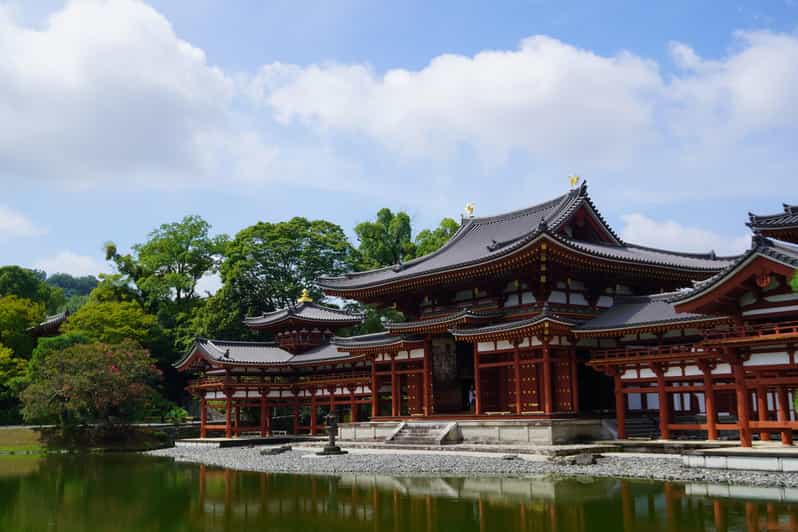
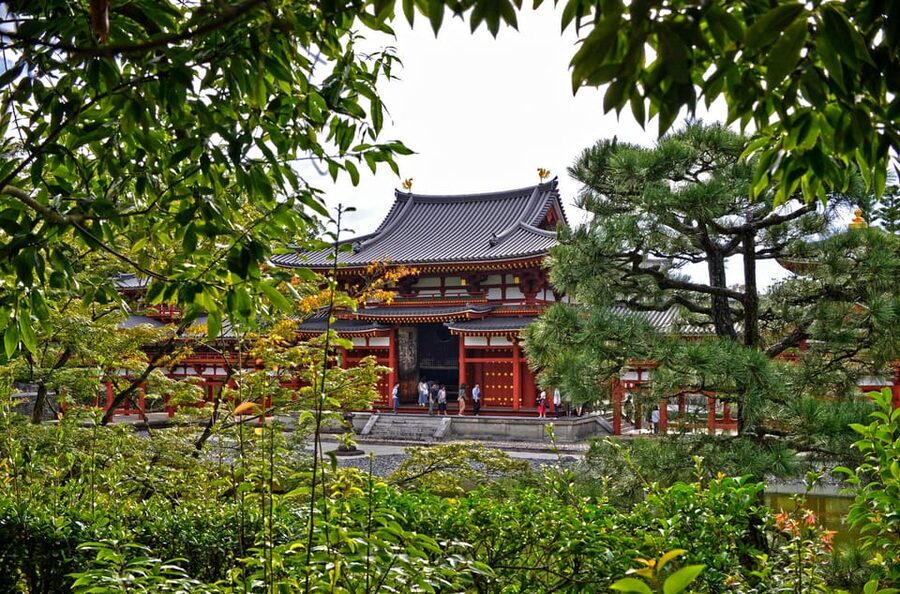
The first major stop is Byodoin Temple, with about 50 minutes for a guided visit. This is the tour’s anchor, and the time allocation feels right. Byodoin is not a place you should rush through in 10 minutes, yet it can be hard to know what deserves your attention without some explanation.
The temple is best known for Phoenix Hall, the elegant building shown on Japan’s 10-yen coin. Its placement beside the pond gives you the classic Uji view, with the structure reflected in the water when conditions are favorable. The temple also appears on the back of the Japanese 10,000-yen note through its phoenix imagery, a sign of its national importance.
Your guide can help connect the building to Pure Land Buddhism and to the religious ideas behind its design. That makes the visit more meaningful than simply admiring a beautiful roofline. You will also have a chance to notice the careful balance of water, gardens, and architecture.
Byodoin is a popular stop, so expect other visitors and a steady flow of people around the main sights. The guided format helps you make good use of your time, but it cannot guarantee a quiet temple visit. Bring your camera for the grounds, but save your most careful looking for the details your guide points out.
The admission fee is included. That is useful because you do not need to handle another payment during the tour, and the temple is the most significant paid attraction on the route.
Taihoan and the quiet discipline of tea
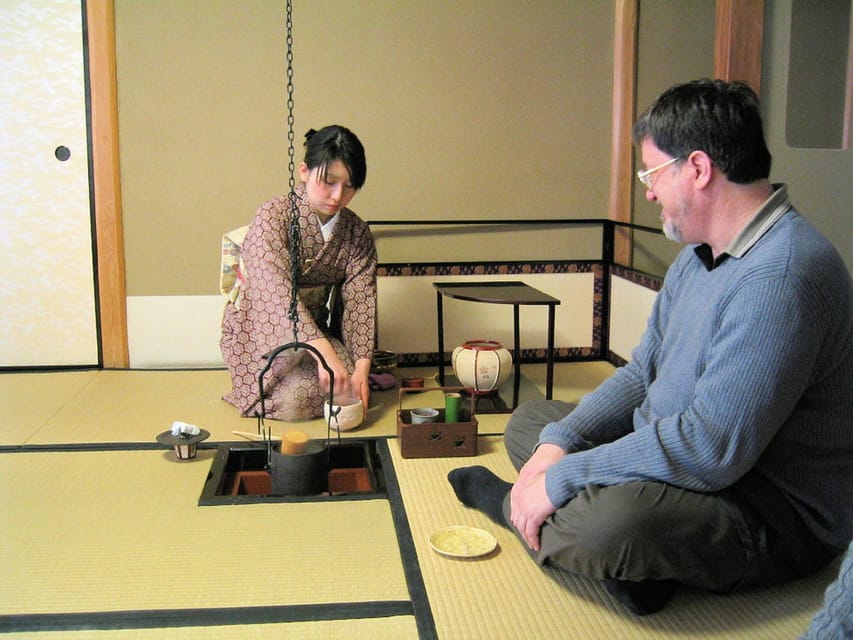
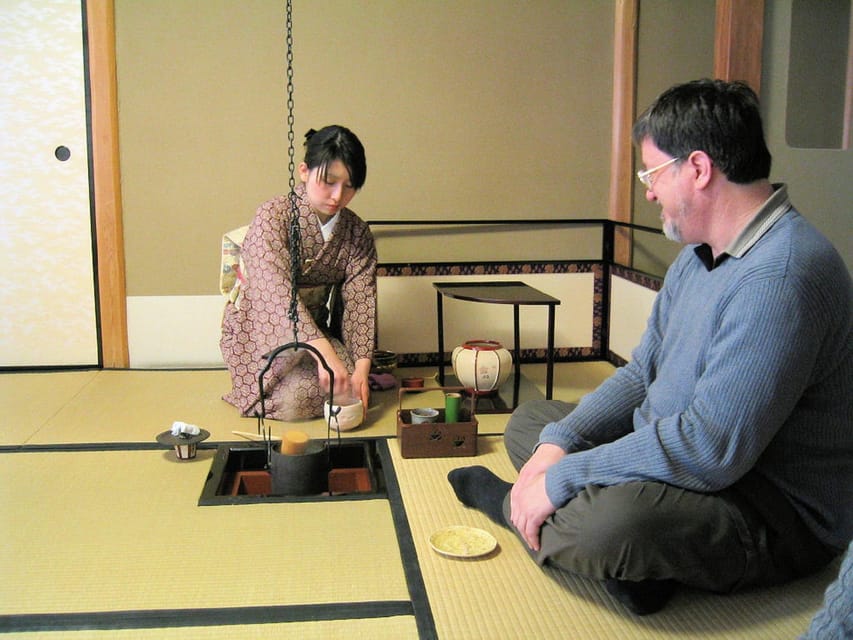
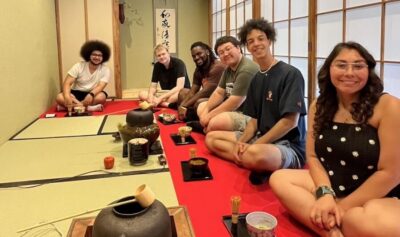
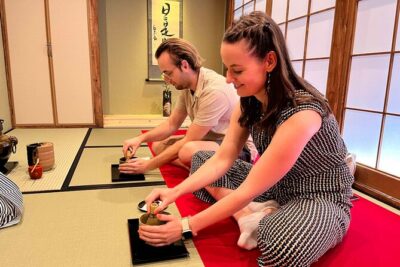
The tea ceremony at Taihoan is the emotional center of the morning. About 30 minutes of tea ceremony time is included, though the overall itinerary allows roughly 40 minutes for this part of the visit.
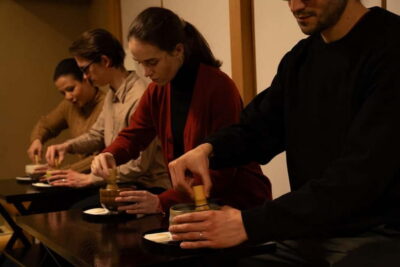
Tea ceremonies can look simple from the outside. A host prepares tea, serves it, and guests drink it. In practice, the value lies in the gestures: how the bowl is handled, how you turn it, how you receive it, and how you show respect to the host and the setting.
The ceremony is conducted in Japanese only. Your English-speaking guide translates and explains what is happening, so you are not left guessing. This arrangement has an advantage: you hear the ceremony in its original language while still receiving the cultural background in English.
You should not take photographs or record video during the ceremony. That rule may disappoint anyone hoping for a social-media clip, but it also protects the calm of the room and keeps your attention on the ritual itself. Bring cash for personal purchases, but do not expect every part of the tea experience to be a shopping stop.
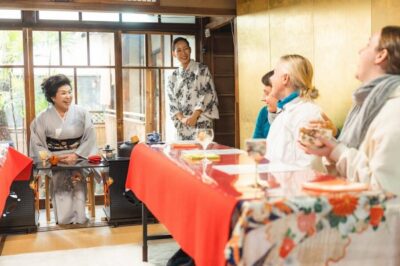
Several guides have been praised for making the ceremony comfortable for first-time participants. Katsuhiko has been noted for explaining each stage clearly, while Yuko has been praised for her patient English and thoughtful manner. The tea host is also described as welcoming and forgiving when guests do not get every movement right.
That last point is important. You do not need prior knowledge of Japanese tea etiquette. Listen carefully, follow the instructions, and accept that a small mistake is part of being a beginner. The ceremony is not a test.
Suspension bridges and Uji River views
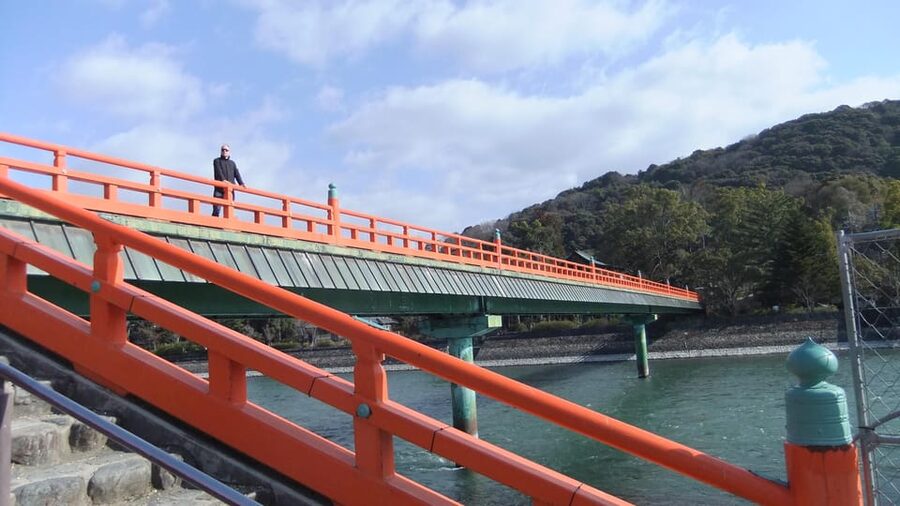
After the tea ceremony, the route takes about 10 minutes on foot toward Uji Shrine and the river crossings. The walk across the Tachibara and Asagiri suspension bridges gives the tour a welcome outdoor pause.
These bridges are not just connectors between stops. They offer open views of the Uji River and the surrounding scenery, which feels very different from the enclosed temple grounds. The suspension design may give you a little movement underfoot, so take your time if bridges make you uneasy.
This part also shows why comfortable shoes are listed as an essential item. The tour includes temple paths, streets, shrine approaches, bridge crossings, and several hours of walking. You do not need hiking boots, but soft, supportive shoes are a smart choice.
The bridges may be especially pleasant for photographers. You can bring a camera, and there is enough visual variety to keep the walk interesting. Still, the tour follows a schedule, so you should not expect long stops for detailed photography.
More Tea Ceremonies in Kyoto
- Kyoto: Tea Ceremony in a Traditional Tea House in Kiyomizu
★ 4.9 · 3,519 reviews - Kyoto: Tea Ceremony Ju-An at Jotokuji Temple
★ 4.9 · 3,207 reviews - Kyoto: 45-Minute Tea Ceremony Lesson Experience
★ 4.3 · 2,378 reviews - Kyoto: Table-Style Tea Ceremony at a Kyo-Machiya
★ 4.9 · 1,211 reviews
Uji Shrine and Ujigami Shrine, two different visits
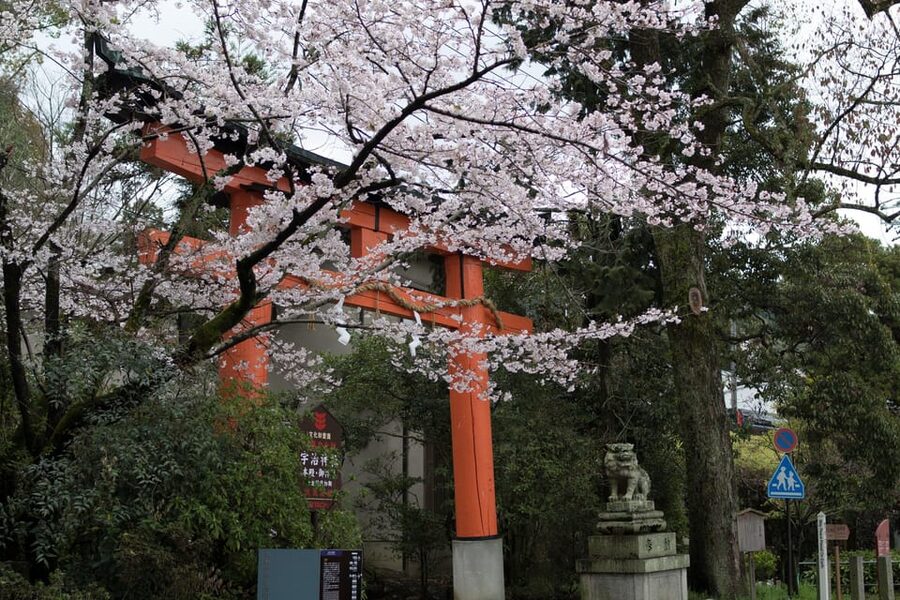
The route continues to Uji Shrine for about 20 minutes, followed by another 20 minutes at Ujigami Shrine. Seeing both is valuable because they are connected to the same cultural setting but give you different places to observe Shinto traditions.
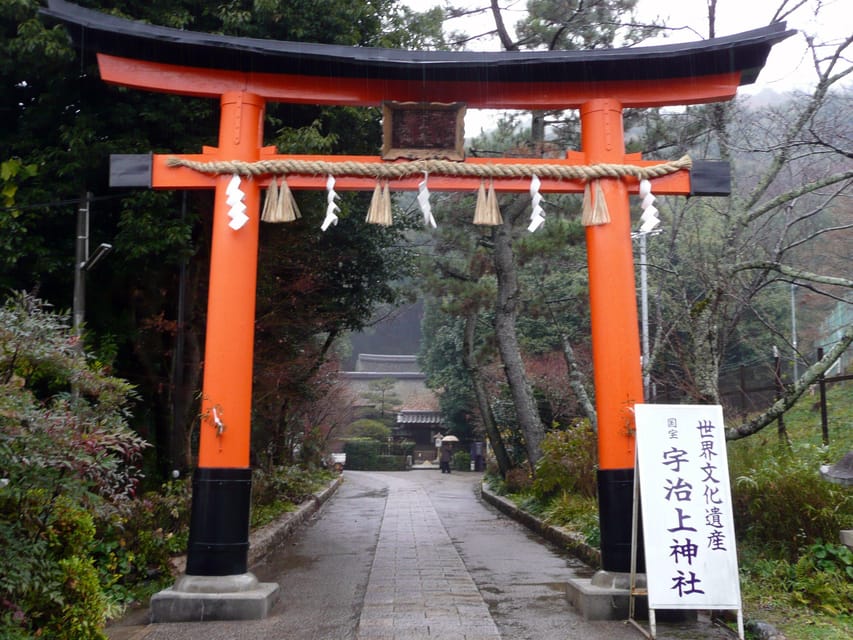
At Uji Shrine, your guide can explain customs such as shrine behavior, the role of the entrance gate, and how Shinto spaces differ from Buddhist temples. You may already know the basic steps, but the live explanation helps you understand why people pause, bow, wash their hands, or approach the main building in a particular way.
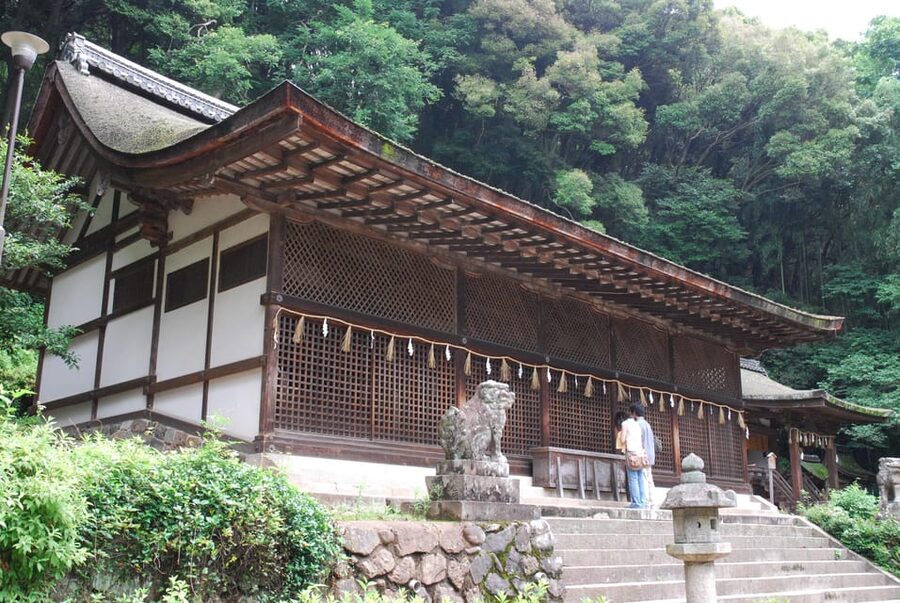
Ujigami Shrine adds another layer. It is one of the oldest surviving Shinto shrines in Japan, and its modest scale makes a useful contrast with the grander appearance of Byodoin. The visit is not about a spectacular building alone. It is about seeing how sacred places can feel intimate, local, and tied to a living community.
The time at each shrine is fairly short. That is the compromise built into a three-hour tour. You get an introduction to both sites, but you will not have time to study every structure or explore every path. If one shrine captures your attention, make a note of its location and return after the tour if your schedule allows.
Guides have also been praised for explaining the difference between Shinto and Buddhism in plain English. That is one of the strongest reasons to choose this tour. You are not only looking at old buildings. You are learning how to read the customs around them.
Matcha, mochi, and the final walk to Uji Bridge
The final 40-minute section focuses on local snacks and Uji’s tea culture. This is where the town’s famous matcha becomes something you can taste rather than just hear about.
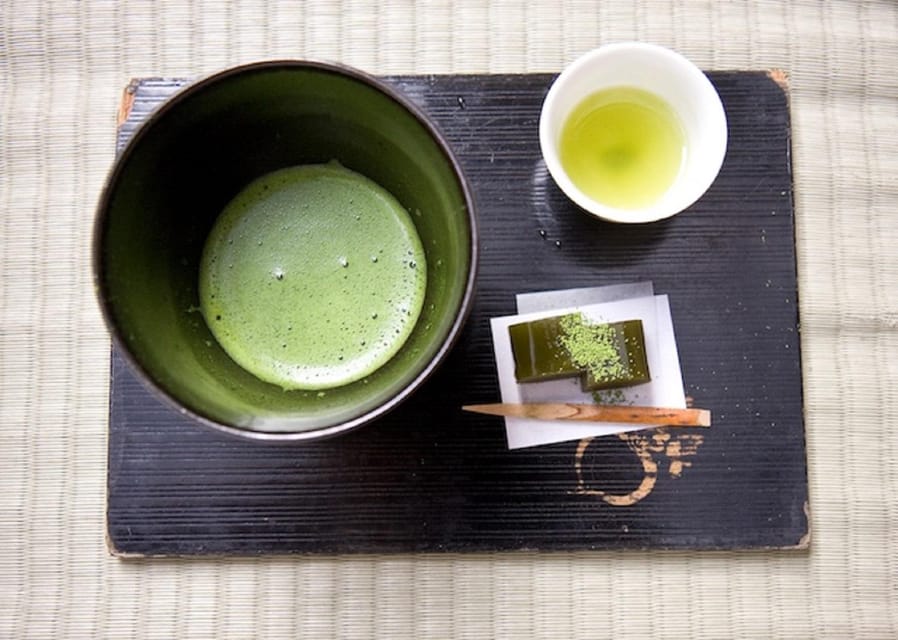
You may encounter green tea drinks, matcha sweets, mochi, and other local treats. The exact food selection can vary, and personal purchases are not included, so carry cash. Your guide can point you toward matcha shops, restaurants, and mochi sellers, which is useful if you plan to stay in Uji for lunch or the afternoon.
The food portion is not a full meal. Think of it as a guided introduction to local flavors, with time to sample and decide what you want to buy later. If you have dietary restrictions, the supplied information does not specify how they are handled, so ask the operator before booking.
The tour finishes at Uji Bridge. This is a practical endpoint. You are not returned to the station, but Uji Bridge is a central place from which you can continue exploring, browse tea shops, or make your way back toward the railway stations.
The end point also gives the morning a pleasing shape. You start at the station, visit temples and shrines, cross the river, taste local food, and finish beside one of Uji’s best-known landmarks.
What the guides add to the experience
The guides are a major part of the tour’s appeal. English ability and clear cultural explanation come up repeatedly in the available feedback, with particular praise for Yuko, Katsuhiko, Katsu, and Nobumasa Miyake.
Yuko is described as friendly, patient, and generous with recommendations. If you want ideas for restaurants, matcha shops, or mochi, her local suggestions could be especially helpful. Katsuhiko has been praised for making the history of Uji and the tea ceremony easy to follow.
Nobumasa Miyake is also noted for adding cultural information and, in one case, extending the outing to show more of Uji. You should not assume every tour will run longer, since the advertised duration is three hours, but the comment suggests a guide-led experience that can feel personal rather than mechanical.
The small-group limit of nine helps here. You can ask questions without trying to speak over a large crowd, and the guide can check that everyone understands the instructions during the tea ceremony. Group size may vary below the limit, but the important point is that this is not designed as a coach tour.
Timing, walking, and practical comfort
Three hours is enough to sample Uji, not enough to see every corner. The schedule is active, with 50 minutes at Byodoin, a tea ceremony, a walk, two shrine visits, and local snacks before finishing at Uji Bridge.
You should be ready to walk for most of the morning. The tour is not suitable for people with mobility impairments, heart problems, respiratory issues, or pregnancy. Even if you are generally fit, wear comfortable shoes and bring water if you need it.
The meeting point is JR Uji Station South Exit. Since hotel pickup and drop-off are not included, you must make your own way to the station and arrange your return from Uji Bridge. Check the starting time when booking, since start times depend on availability.
Cancellation is flexible up to 24 hours before the activity for a full refund, and you can reserve now and pay later. Those policies are useful if your Kyoto plans are still shifting, but they do not change the need to arrive early on the day.
Who should book this Uji tour?
I would choose this experience if you have a first visit to Uji, want help understanding Japanese customs, and prefer a compact plan over arranging several stops yourself. It is particularly good for visitors who want Byodoin and a tea ceremony on the same morning.
You will also get more from it if you enjoy asking questions. The guides are at their best when explaining the difference between temples and shrines, the meaning of tea etiquette, and the place of matcha in Uji’s local life.
Families with older children may appreciate the variety, since the tour changes setting several times. Couples and solo visitors can also benefit from the small group, especially if they want conversation without joining a large sightseeing party.
I would skip it if you want a slow temple morning, extensive shopping time, or a ceremony conducted in English. The tea ritual itself is in Japanese, with translation, and the schedule leaves limited time for wandering away from the group.
Is this Uji walking tour worth $66?
For $66, the package offers a useful mix: an English-speaking guide, Byodoin entrance, a traditional tea ceremony, shrine visits, bridge walks, and a local snack stop. Paying separately for each piece would require planning, timing, and a fair amount of background reading.
The strongest value comes from the explanations. Byodoin is easy to photograph without a guide, but understanding its Buddhist purpose and architectural details changes the visit. The tea ceremony is also far easier for a first-timer when someone explains what to do and why.
The price does not include personal expenses or transport to and from the meeting and finish points. Keep some cash for snacks and drinks. If you want only a quick look at Byodoin and the famous tea street, you can spend less by exploring independently.
If you want a well-paced introduction to Uji’s culture, the fee is fair. The 4.6 out of 5 rating from 54 ratings also points to a consistently strong experience, especially for guide quality and the tea ceremony.
Should you book it?
Book this tour if you want Uji explained, not just photographed. You will see its major cultural sights, taste its tea traditions, and receive practical local suggestions in a group small enough for real conversation.
Skip it if walking is difficult, if you need a fully English-language ceremony, or if you prefer to spend a whole day at your own pace. For most first-time visitors with three hours to spare, I think the combination of Byodoin, Taihoan, the shrines, and Uji Bridge makes this a smart and enjoyable way to meet the town.
FAQ
Where does the Uji tour begin?
The meeting point is the South Exit of JR Uji Station. Your guide will wear a TripGuru shirt or hold a TripGuru sign.
Where does the tour finish?
The tour finishes at Uji Bridge. Hotel pickup and drop-off are not included.
How long does the experience last?
The walking tour lasts three hours. Starting times depend on availability.
Is the tea ceremony conducted in English?
No. The tea ceremony is conducted in Japanese, and your English-speaking guide translates and explains it.
Is admission to Byodoin Temple included?
Yes. Entrance fees to Byodoin Temple are included in the tour price.
Can I take photos during the tea ceremony?
No. Photo and video recording are prohibited during the tea ceremony.
What should I bring?
Bring comfortable shoes, a camera, and cash. You should also arrive at the meeting point at least 10 minutes before the scheduled start.
More Walking Tours in Kyoto
- Kyoto Geisha Walking Tour: Gion District & Hidden Gems
★ 4.7 · 3,273 reviews - Kyoto: Gion Magical Night Walking Tour with Geisha Trivia
★ 4.9 · 2,393 reviews - Kyoto: Gion Geisha District Walking Tour – Stories of Geisha
★ 4.7 · 2,187 reviews - Night Walk in Gion: Kyoto’s Geisha District
★ 4.5 · 2,003 reviews
Just added around Kyoto
- Kyoto: Private Customizable Day Trip by Car★ 5.0 · 38 reviews
- Kyoto: Gion Night Walking Tour with Geisha Insight★ 5.0 · 39 reviews
- Kyoto: Full Day Bike Tour★ 4.9 · 39 reviews
- Private Japanese Calligraphy in Kyoto – Learn Shodō with a Master★ 5.0 · 39 reviews
- Experience a tea ceremony in an authentic tearoom, in Kyoto!★ 4.5 · 41 reviews
- Kyoto: Gion Evening Walk with Hidden Gems, Geisha & Sake★ 5.0 · 41 reviews
- Kyoto Private Photo Shoot & Tour by SnapKyoto★ 5.0 · 41 reviews
- The Way of Tea: Kyoto Crafts, Hidden Temples & Wabi-Sabi Walk★ 5.0 · 41 reviews
Tea Ceremony Experiences, compared.
Tea Ceremony in a Traditional Tea House in Kiyomizu
Read our review →
Browse the lists this tour appears in